
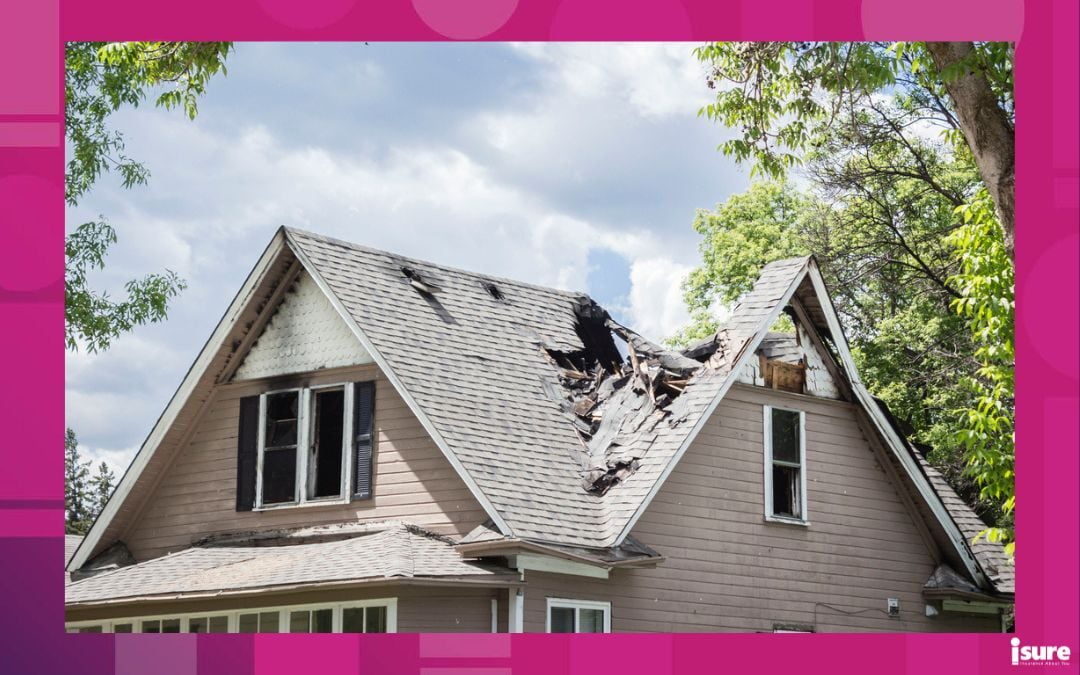
Shopping for home insurance can be a stressful experience. You want to ensure you’re purchasing the right coverage to protect your most valuable assets. However, you also want it at a competitive rate. Understanding the basics of the most common types of home insurance coverage is essential. In this article, we lay out the basics of the first of these policies: Comprehensive or ‘all risks’ coverage.
What Is Comprehensive or All Risks Home Insurance Coverage?
Comprehensive home insurance provides the most comprehensive protection for your home. It’s one of the most popular options because it protects you against the most threats to your house and personal property. Even though it’s not mandatory, it’s highly recommended. As the most inclusive home insurance policy, All Risks coverage protects both the building and its contents against all risks. That is, except for those specifically excluded. It offers the broadest protection among all three types; however, there is a section regarding exclusions from coverage. The information listed will vary depending on the insurance company and the specific policy. If something is not listed in the section, it means that it is covered. With a comprehensive policy, the burden of proof lies with the insurance company. This means that for the insurance company to deny your claim, they have to prove that the claim falls within the policy’s exclusions.
Common Exclusions in Comprehensive Home Insurance Policies
While policies will vary, the majority of comprehensive home insurance policies list the following as exclusions:
- Maintenance claims: Also known as ‘wear-and-tear’. Preventative losses through routine maintenance are usually not covered, such as those resulting from corroded pipes or a rotting roof.
- Terrorism or acts of war: These events are highly destructive and impossible to predict or add value to potential damages.
- Natural disasters: Natural events, such as earthquakes, floods, and tsunamis, are standard exclusions, especially if your home is in a high-risk area.
Important: You can choose to purchase coverage for these catastrophic perils as an add-on to your existing policy.
Because these risks are minimal in most parts of Canada, homeowners find that these exclusions have little impact on their claims. As a result, comprehensive insurance is one of the best types of insurance for the average Canadian homeowner. But, before you sign a comprehensive insurance policy, make sure you are clear about the exclusions, as well.
Key Advantages of Choosing Comprehensive Coverage
All Risks coverage is a type of insurance product that requires a specific risk to be explicitly stated to have coverage. For example, if the contract does not state “tree damage” as an excluded risk, then the damage from, say, a fallen tree, will have coverage, as it was not written under the exclusion section of the policy.
Another significant advantage of Comprehensive insurance is the mysterious disappearance of the policy. Let’s use an example: You remove your wedding rings to wash your hands at a public restroom, but forget to put them back on. You run back to the restroom to get them, but they’re gone. With Comprehensive coverage, your policy will cover the rings if they are under the policy limit. They will also cover the loss if the insured was on the policy with a separate endorsement for the value of the rings.
What to Consider Before Choosing This Type of Home Insurance
While all-risk policies do offer the best coverage of the central home insurance policies, there are a couple of things to watch out for:
- The policy does have limits on certain types of claims. If you have expensive jewelry, a pricey coin collection, or other valuable objects, you will need to purchase supplementary coverage or an add-on endorsement.
- In addition to the exclusions above, your property insurance policy does not cover replacement cost, business interruption*, or loss of income insurance. Comprehensive, or all risks insurance, isn’t enough to cover a home-based business because it only covers you for dangers to your home structure, not your business operating within it.
*Additional coverage options for your business are available when purchasing your property insurance policy. Please speak with one of our isure representatives today about your home business needs.
Filing Insurance Claims Under All Risks Coverage
According to ibc.ca, two types of risk that are not typically included in any home insurance policy are:
- Uninsurable perils, which are predictable events, not sudden in nature, and therefore, will not receive coverage.
- Optional coverage for which you can buy insurance, such as earthquake or sewer back-up.
Should you find yourself in a position where you experience a loss and need to make a claim, there are three main criteria that you need to remember about all risks insurance claims. They have to be:
- Accidental in nature
- Sudden
- Not specifically excluded from the policy
Final Thoughts: Is All Risks Home Insurance Right for You?
Purchasing home insurance doesn’t have to be hard. By knowing your options and speaking with your isure broker about the pros and cons of All Risks coverage, you can be confident that your home insurance policy is right for you!

Your home is probably one of the biggest investments you’ll Read more

Your home is likely your biggest financial investment so protecting Read more

When considering your options for home insurance, it is important Read more