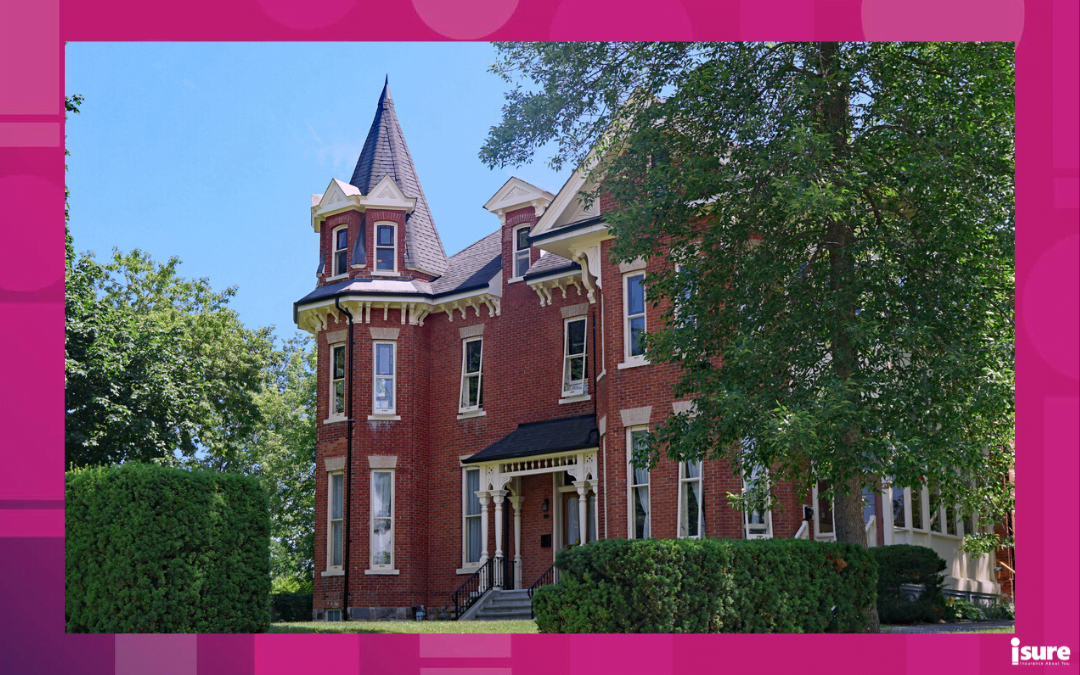
Owning a century-old heritage property is like owning a piece of Ontario’s history. And purchasing one can be an exciting proposition! Doing so, however, can also put you at risk of inheriting some unforeseen issues. One of the main concerns when purchasing a heritage home is the lack of knowledge about the special conditions that come with owning one. Here are answers to some of the most common questions about heritage homes, the Ontario Heritage Act and possible restrictions you may come across.
What is the purpose of the Ontario Heritage Act?
The Ontario Heritage Act gives the Ministry of Heritage, Sport, Tourism and Culture Industries the power to designate a property of provincial significance. This designation prohibits the demolition or removal of any building or structure and requires municipal or even ministerial (provincial) approval for alterations of the property.
How do I determine whether it’s a heritage home?
The best way to determine whether a property is listed, designated as a heritage property, or located in a heritage district is to ask your salesperson or real estate lawyer to check the local municipal register. It will include a list of properties in the area that are considered ‘culturally valuable’. The register may include important details about these types of homes. This includes a description of the property and whether the property is listed as a designated heritage property. It will also state if it is within a heritage conservation district. It may also include a statement explaining the property’s cultural heritage value or interest, as well as a description of its historical attributes.
Is a heritage house worth more than a non-heritage house?
Occasionally, yes. Heritage properties often attract higher resale values. The new owner knows that certain parts of the home are original. Furthermore, the value of homes in the area is likely to increase faster than the average. Heritage designation can also lead to gentrification within a neighbourhood, which, in turn, can drive up property values.
Should I have a heritage home inspection done before buying?
Buying a 100-year-old house is no different from buying a 30-year-old home when it comes to having a home inspection. A professional should inspect every home before putting in an offer. A home inspection will highlight repairs and their costs, giving you a better sense of your overall financial investment.
If I do not own the title to the heritage home, is it eligible for insurance?
If you are renting a heritage home, you are eligible for tenants’ insurance. We would like to encourage you to speak with one of our knowledgeable insurance brokers to learn about your options and how you can maintain proper coverage for unforeseen events.
Houses over 100 years old can also require special considerations. Balancing your insurer’s requirements with the renovation guidelines for heritage homes in your area can be a challenge. Since a renovation can cost up to 50% more with the title, it’s important that you fully understand what the designation means for your renovation.
What should I look for when renovating a heritage home?
During a renovation, some of the internal aspects of your home may need updating. These updates must comply with the Ontario Building Code (OBC). It is also necessary to obtain the proper insurance. Some safety threats of heritage homes include galvanized iron pipes, knob and tube wiring, and old furnaces and heating systems. Making these upgrades to your home will not only keep you safe but also help your insurance protect you in the event of an unforeseen incident.
What are you allowed to do to a heritage-listed house?
Generally speaking, owners of heritage-listed homes can always renovate their kitchens, bathrooms, and laundry to suit their taste. Overall, what matters is whether the changes do not affect identified heritage attributes. Also, alterations require a heritage permit only if heritage attributes are impacted.
Can I get a third-party opinion on my heritage home appraisal?
While you can certainly get multiple opinions on your appraisal, it’s important to consult someone familiar with heritage properties and their unique characteristics. Your insurance company may recommend trusted vendors that meet their standards, but you can do your own research or find someone on your own. Be sure to talk with your isure broker about your options!
What about renovating a heritage property?
If you are considering renovating a heritage home, there will likely be restrictions on the design and architectural changes you are permitted to make. The house may need special expertise and nonstandard materials, so it is a good idea to have a contractor inspect any potential properties to discuss renovation limitations and costs. A real estate lawyer is also an invaluable asset for determining what is permitted under municipal by-laws.
What if there’s damage to a heritage property?
If you suffer significant damage to your heritage property, the claims process will be a bit more complex. Your insurer will determine the property’s replacement cost and must consider any historic significance, special materials, and unique features. Heritage property experts usually consult and appraise the building. To recreate any special features of the heritage property, specialty contractors may also be called in.
A heritage designation, bestowed by federal, provincial, or municipal governments, protects the features of a property that are of special heritage interest.
Can you put solar panels on a historic building?
Whether to allow solar panels on heritage buildings is an ongoing debate in many cities. Some jurisdictions permit solar panels on the roof of a heritage property, but most rules require that they not be visible from the street. You may need to apply to the local heritage commission for approval. On a flat roof, this could work. A sloped roof, however, might show the solar panels and will have a visual impact on the property.
Will my homeowners’ insurance cover the replication of damaged heritage features?
If you want the original features of your property to be replicated in case of damage, you should ensure you have appropriate insurance. Coverage depends on the risk the owner and insurance company are prepared to share. The building’s age, quality, and condition will affect the premium and the coverage available. As with any home insurance plan, it’s best to research insurance providers to find the most competitive rate and best service. That’s where isure comes in!
What is the difference between a heritage home and a designated home?
A heritage house is a designated home with a significant or unique architectural design. Many homes with heritage value or interest are eventually recommended for designation. Formal designation of heritage properties is one way to acknowledge a property’s heritage value to the community publicly. At the same time, designation helps to ensure the conservation of these important places for the benefit and enjoyment of present and future generations.
Will I pay more for insurance if my home is designated as a property?
No. Your premiums should not increase as a result of the designation. The Ontario Ministry of Tourism, Culture and Sports states, “The designation itself does not place additional requirements on the insurer and therefore, should not affect your premiums.” Your insurer may raise premiums for other risk-related reasons. A higher risk level may include outdated wiring or an old heating system. Still, other insurance companies will not insure buildings over a certain age.
Do I need permission before starting general maintenance on a designated heritage property?
General maintenance work does not usually require heritage approvals. This may include:
- Repainting exterior trim
- Replacing or repairing an asphalt roof
- Altering and repairing property features not covered by the designation by-law
As the owner, you may still need a building permit and should check with the local building department before doing any work.
Is a designated property more difficult to maintain or renovate?
If you want to buy and renovate one, you’ll need to have patience. Designated heritage homes often have legal protection, so homeowners may not be able to make upgrades to their property without approval and the correct permit. You’ll likely need to seek municipal approval for many of the updates you’ll be considering. You may then need to use materials that complement the home’s style. However, these materials may not even exist, so you’ll need to find an expensive alternative or specialist to recreate them. A designated heritage house is a step higher in neediness than a heritage, or simply, an old home.
Is buying an older home going to be a money pit?
This can be true, which is why it’s important to get the municipal heritage division on your side, ideally, both before AND after purchase. Working collaboratively with them can help you save money and time.
How do I sell a heritage home?
When selling your heritage home, having the “Description of Heritage Attributes” or a similar report on hand is helpful. This, along with details about any renovation work you undertake as the owner, will help dispel any myths and concerns.
Buying a 100-year-old home can be a large undertaking, especially for homes with a heritage designation. There is a lot to consider when buying one. While you are likely thinking about renovations and interior design, what your policy can cover should be at the top of your list. If you have questions about the special conditions that surround buying a heritage home, our representatives at isure can help. We’re here to help you navigate all your insurance needs so you can enjoy a little piece of history with some peace of mind!
Safeguard Your Home
Get a free home insurance quote today and protect what matters most.


While the heritage value of owning one of these structures Read more

Purchasing a new home can be a stressful, scary time Read more

Home insurance premiums in Ontario vary based on factors, including Read more