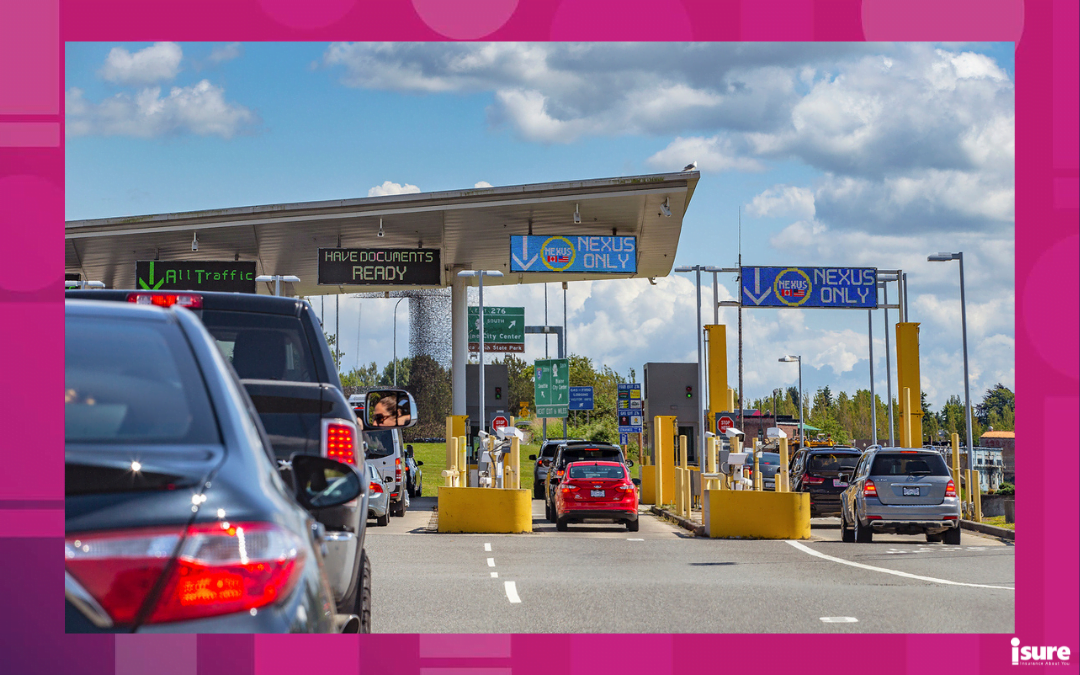
Many Canadians drive their vehicles across the US/Canadian border instead of flying. Whether it’s a summer road trip with the family, an overdue visit with friends, or attending a business conference, many find driving across the border more advantageous than flying. But what happens if your car isn’t roadworthy, or you don’t have access to a vehicle at all? Is driving someone else’s car across the border an option? Let’s examine the ins and outs of driving a car not registered to you across the border and what effect it will have on the owner.
Can You Cross The Border In A Borrowed Vehicle?
In the wake of a global surge in car thefts since the start of the pandemic, customs officials in the U.S. and Canada remain vigilant in their pursuit of stolen vehicles. Additionally, they are keeping an eye out for individuals attempting to evade duties on cars or trucks they have purchased abroad. As a result, alarm bells will sound whenever someone tries to cross the border in a vehicle that is not their own.
If you wish to borrow a car, you will need to obtain the owner’s explicit permission. When crossing an international border with a borrowed vehicle, ensure you have written permission from the owner and their direct contact information, in case it’s required,” an IBC spokesperson states in an email.
Can I Drive A Friend Or Family Member’s Car In The United States?
Is it legal to drive someone else’s car? Yes, driving someone else’s car is legal as long as it is insured and the driver has the owner’s permission. In other words, if you are driving your friend’s car and an accident occurs, the expenses of the damage will be covered by your friend’s policy. However, be aware that if you are borrowing someone else’s car, you will be subject to closer scrutiny. Because officials are on the lookout for stolen vehicles, you may experience a delay at the border if the name on the vehicle registration does not match the name on your identification, especially if the car owner’s address differs from yours.
Before You Leave: A Checklist
Crossing The Border While Driving Someone Else’s Car
First, please make sure that you have all the necessary documentation. According to Nationwide.com, it is recommended to keep all required documentation in a secure, easily accessible location. This includes:
- A valid driver’s licence
- A current passport for everyone in the vehicle
- Vehicle registration
- Proof of insurance coverage
- A credit card in your name
For a complete list of acceptable documentation that verifies identity and Canadian citizenship, please visit the Government of Canada’s travel page at this link.
Listing Yourself On The Insurer’s Policy
Secondly, they must have up-to-date vehicle registration and current proof of insurance. As long as you’re listed as a secondary driver on the policyholder’s car, you’re free to drive it across the border, according to the Insurance Bureau of Canada (IBC). However, you must obtain the vehicle owner’s permission to do so.
Secondary Drivers: What You Need To Know
A secondary or occasional driver is someone who uses your vehicle frequently but not as often as the primary driver. These drivers also need to be on your insurance policy for that vehicle. Your insurance company will also review the driving records of the secondary driver(s). Usually, your insurer charges an additional premium for that driver. This happens because the risk of an accident increases when more than one person uses the car. Anyone else who will regularly operate your vehicle should be added, regardless of whether they live with you. This includes friends, roommates, neighbours, nannies, siblings or colleagues. Typically, qualifying as a secondary driver on someone else’s policy means that you drive their vehicle once per week or less than half of the time.
Get A Letter Of Permission
Lastly, if you plan to cross the border while driving someone else’s car, you should obtain a Permission Letter. A permission letter from the vehicle’s owner, if you intend to take it across the border, can make your trip go more smoothly. This letter should include:
- The owner’s name
- Their contact information
- Their relationship with you
- The reason that person is lending you the vehicle
- The dates you are allowed to use the car
While there is no legal requirement for a permission letter, both U.S. and Canadian border services recommend having one. Having a permission letter on hand helps avoid any suspicion. A written consent letter from the car owner, along with proof of insurance and registration, is essential to minimize border crossing hassles.
Check Your Car Insurance Coverage Before Driving Someone Else’s Car.
Before you go on any trip that will take you out of the country, double-check with your isure representatives to ensure you have the right coverage. Your Canadian driver’s licence is legal in the U.S. However, if you’re driving your car across the border, your Canadian car insurance coverage may not be valid. This means you may need to buy an additional short-term auto insurance policy for your car.
The U.S. has a significantly higher uninsured motorist rate than Canada, at 12.6%. If your vehicle does not have uninsured motorist coverage, it may be a wise choice to purchase additional protection before crossing the border. In Ontario, the minimum coverage for civil liability is $200,000, and it’s valid anywhere in Canada or the United States. However, it’s recommended that you carry up to $2 million when travelling south of the border because of the higher risk of lawsuits following an accident.
How Will Damage To Canadian Vehicles Be Covered?
Most Canadian insurance providers will extend full coverage auto insurance across the border if you already carry it at home. Double-check with your insurer broker, though, to ensure that this is true of your specific car insurance policy. Please note that if you do not have collision coverage or comprehensive insurance as part of your Canadian plan, you will not have these coverages when travelling in the U.S. Ensure that you add these coverages if you’re concerned about potential environmental damage, theft or vandalism.
Can I Drive A Rental Car Over The Border?
Is driving someone else’s vehicle across the border that you do not own allowed in the first place? Yes. Generally, you can drive a rental vehicle across the border. Please notify your car rental company that you will be crossing the border. They will inform you of their policies. It is best that you keep a copy of the rental agreement with you in the car.
Canadians often think they need to purchase separate car insurance when planning a road trip across the United States. The truth is that Canadian auto insurance is valid in the U.S. most of the time because the countries share similar legal systems. However, if you are crossing the border while driving someone else’s car, it’s essential to follow our recommendations. At isure, our experienced staff can help you navigate the right amount of coverage to ensure a smooth road trip south of the border.
Regardless of whose vehicle you’re driving over the border, having the correct insurance to back you up should be your top priority. If you’re in the market for new insurance, don’t hesitate to reach out to us at isure. Contact us or request a quote today!
Drive with Confidence
Request your free car insurance quote now and get the coverage you deserve.



If you have ever borrowed a friend’s car or rented Read more

As the cost of living increases, many Canadians are looking Read more

Lending your car can be very risky. Before you hand Read more