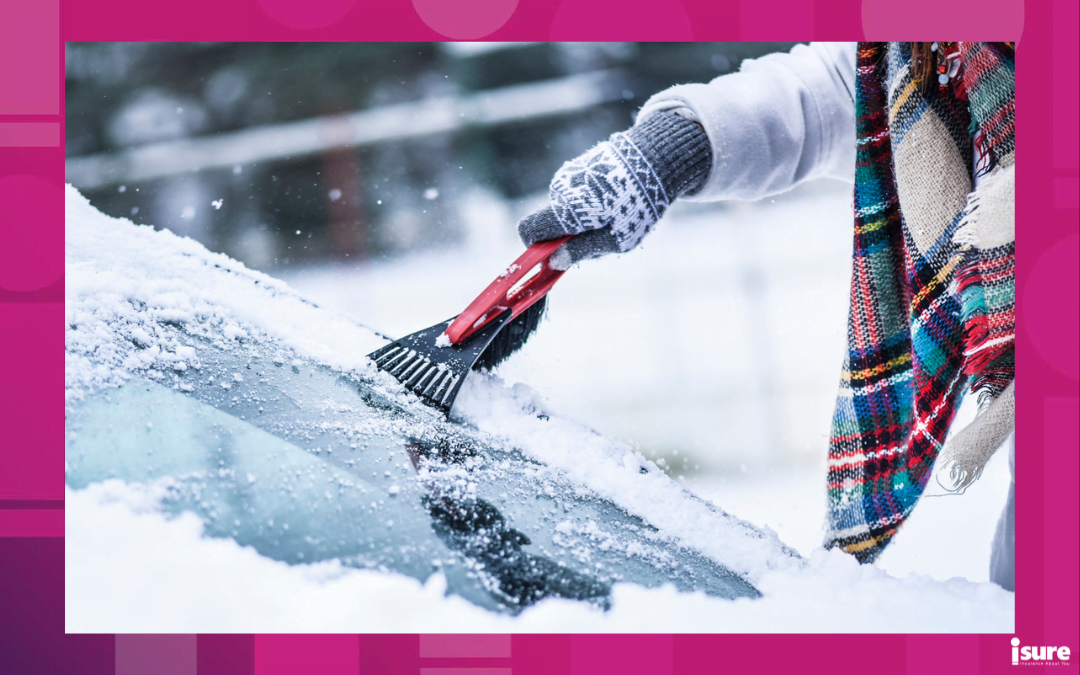

Driving in winter can be challenging, especially in Canada. From slippery roads to windy conditions, there is much to consider when it comes to safety. However, one situation many people do not prepare for is a whiteout. Driving in a whiteout can put yourself and those around you in harm’s way. So, what happens if there’s a whiteout and you’re behind the wheel? Luckily, isure has everything you need to know about driving in extreme weather conditions.
What is a Whiteout?
Whiteouts occur when snow in the sky and snow in the air mix, creating a complete lack of visibility. When this happens, shadows, clouds, and the horizon are almost entirely gone. This can lead to some severe weather conditions. This is due to roads, objects, and other vehicles being almost altogether invisible.
Driving in a Whiteout: How to Stay Safe
According to the Ontario Ministry of Transportation, the best thing to do before heading out in your vehicle in the winter is to take a glance at the road reports and weather conditions. Weather reports can help you plan your trip and give you advance notice of weather conditions before hitting the road. However, if you get caught driving during a whiteout, there are some tips you can follow when it comes to staying safe.
- Gradually slow down and drive at a comfortable speed.
- Make sure your lights are working and turned on.
- Use your low-beam headlights. High-beam headlights reflect off ice particles in the snow, further obscuring your vision. Fog lights can also prove to be useful.
- Be patient, avoid passing people, and change lanes.
- Increase your following distance.
- Stay alert and reduce any distractions.
- Try to get off the road when visibility is near zero.
Driving in a Whiteout: What to Avoid
When driving during a whiteout, there are also things you should avoid to keep you and those around you safe. These are as follows.
- Don’t stop on the travelled portion of the road. This can lead to a chain-reaction collision because no one behind you can see you and stop in time.
- Don’t attempt to pass a slow-moving vehicle, or speed up to get away from a car following too closely.
- As mentioned above, refrain from using your high beams.
Why Are Whiteout Conditions Especially Dangerous for Canadian Drivers?
Whiteout conditions are hazardous in Canada due to a combination of heavy snowfall, high winds, open highways, and rapidly changing weather systems. On major routes like Ontario’s 400-series highways, blowing snow can instantly reduce visibility to zero, even when roads were clear minutes earlier.
Unlike regular snowstorms, whiteouts remove visual depth perception, making it difficult for drivers to judge distance, speed, or even stay in their lane. This significantly increases the risk of multi-vehicle pileups, especially during peak winter travel times.
How Can You Tell If a Whiteout Is About to Happen While Driving?
Whiteouts can develop quickly, but there are warning signs drivers should watch for, including:
- Sudden gusts of wind lift snow off the road
- A rapid drop in visibility over a short distance
- Difficulty seeing road markings or the vehicle ahead
- Snow blowing sideways rather than falling straight down
If visibility begins to disappear faster than you can safely adjust your speed, it’s a sign that conditions may worsen into a complete whiteout. In these situations, slowing down and preparing to leave the roadway safely is critical.
What Happens if I Get in an Accident During a Snowstorm?
If you are caught in a whiteout storm and involved in an accident, there are a few steps to take to ensure everyone involved stays safe. If possible, pull over to the side of the road to a safe, clear area free of other vehicles. From there, you should do the following:
- Remain in your vehicle until help arrives
- If necessary, open your window a bit for ventilation
- Run your motor and heater sparingly
- Put on your emergency flashers.
In situations like these, a winter driving kit comes in handy. Your kit should include a first-aid kit, warm clothing, and a blanket.
What is the safest speed to drive in a whiteout?
There is no set safe speed during a whiteout. Drivers should slow down significantly and adjust speed based on visibility. If you cannot see clearly ahead, the safest option is to leave the roadway when possible.
Should you pull over during a whiteout?
Yes, if visibility is near zero, it’s safer to pull off the road to a secure location, such as a rest area or parking lot. Avoid stopping on the shoulder or travelled portion of the road.
Do hazard lights help in a whiteout?
Hazard lights can help make your vehicle more visible when stopped, but they should not be used while driving unless you are moving significantly slower than traffic.
Can insurance deny a claim if you drive in a whiteout?
Insurance claims are rarely denied solely due to weather. However, claims may be affected if you are found to have driven recklessly or failed to adjust to conditions.
Drive Smarter and Stay Protected This Winter
Whiteouts are one of the most dangerous winter driving conditions Canadians face, but preparation, caution, and the right insurance coverage can make all the difference. At isure, we help drivers understand their risks and choose coverage that protects them when the unexpected happens.
If you’re unsure whether your current policy fully protects you during winter weather, an isure broker can help review your options.
Drive with Confidence
Request your free car insurance quote now and get the coverage you deserve.


By avoiding these winter driving mistakes, you can make sure Read more
Winter driving in Ontario can bring unpredictable conditions — from Read more