
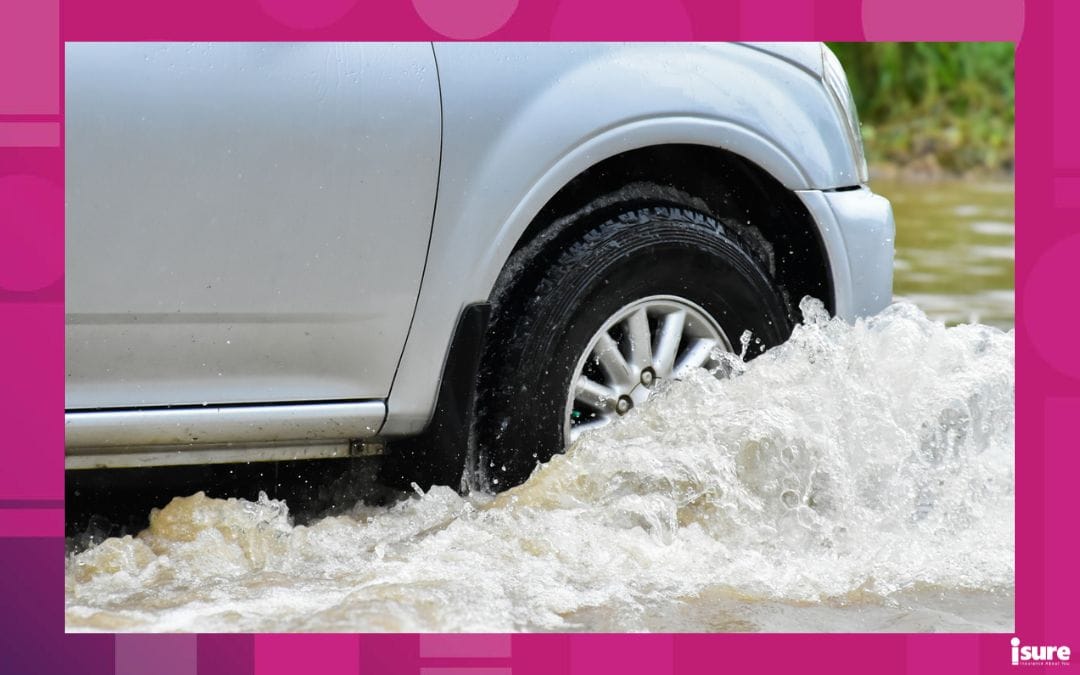
Water main breaks are an increasingly common issue in Canada, especially in winter. They often cause significant property damage, service disruptions, and flooding in urban areas. The repairs that result from these breaks can prove costly for homeowners and businesses, so it is best to know all the facts. Here’s what to do when Canadian water mains break and how to prepare if flooding occurs.
Who is responsible when a water main breaks?
When a water main breaks in Canada, municipalities are typically responsible for maintaining the infrastructure; however, proving any negligence can be difficult. Insurers may try to recover costs from municipalities through subrogation, recoup costs including your deductible. However, this also depends on whether the municipality failed to properly maintain or construct the damaged infrastructure. In most cases though, insurers bear the brunt of the financial burden. This is especially prevalent when bylaws prevent lawsuits against their municipalities for instances like broken water mains.
What coverage is needed for a water main break?
Water main break damages are sometimes covered under home insurance policies, falling under “plumbing and water damage.” This coverage includes repair costs for any property damage as a result of the break. However, the repairs to the water mains themselves are not covered. Make sure to review your policy to ensure that your policy includes protection from water damage, specifically damage from plumbing failures of municipal infrastructures. If not, you may need to consider home insurance endorsements or ‘add-ons’.
What happens with a burst water main?
If your water supply is interrupted, your water will be shut off and the water company must restore the supply within 12 hours of becoming aware of the issue. The technicians will clear the debris, evacuate the water main, and pump out the excess water around it. Repairs to a water main can take anywhere from a few hours up to a day.
What are you to do when a water main breaks?
The first thing you should do in the event of a water main break is to report it to your municipality or local water authority. Follow any advisories, such as water-use restrictions, and avoid using tap water if contamination is possible. Document any damages to your property with photos and contact your isure broker or insurance provider to file a claim. If the break affects your business or residence, consider seeking legal advice to explore potential compensation from the municipality if negligence is suspected.
How do I make a flood claim?
Next, if you sustain property damage due to a water main break, here are the steps you should take to file a claim. First, as soon as it is safe, start by documenting the damage with photos or videos. Then, contact your insurance provider to report the incident. Gather any receipts or invoices for damaged items to support the claim. Your insurer may need to assess the damage to see if it is covered.
Is water main flooding avoidable?
To prepare for a potential water main break, there are a few things you can do.
- Firstly, the most important is to ensure you know where your home’s main water shut-off valve is located. Knowing where the valve is and how to operate it is crucial in the case of a break.
- Installing a backwater valve or sump pump is also a great way to prevent flooding in your basement if the water flows backwards into your home.
- Regularly maintain your plumbing. Be sure to inspect for leaks or any vulnerabilities that could worsen if a break occurs.
- Lastly, you should review your insurance policy to confirm your coverage for water damage, just to make sure that you and your property have financial protection in the case of a break.
By staying properly informed and prepared for this prominent issue in Canada will help to lessen the financial burden from water main breaks. If you have any questions about your policy or how we can help you with your homeowners insurance, do not hesitate to contact us.

With an increasing number of storms and torrential rains hitting Read more

Currently, more than 1.5 million households across the country remain Read more