
The demand for electric vehicles (EVs) is rising rapidly, with more models hitting the market than ever before. With new models becoming available so often, the number of EVs spotted on the street is multiplying. From sleek coupes to rugged pickup trucks, the variety of EVs is expanding. However, not all EVs are the same. If you’re considering purchasing an electric vehicle, it’s essential to understand the different types available. In this guide, we’ll break down the main types of electric vehicles to help you make an informed decision.
Types of Electric Vehicles: The Rundown
When a vehicle is deemed electric, this doesn’t always mean that it runs solely on electricity. You may have heard the term “electrified” to describe a car. Though it is precisely what it sounds like, an electrified vehicle isn’t always synonymous with an electric vehicle. Every electric vehicle is electrified, but not every electrified vehicle is fully electric. In many cases, some still have an internal combustion engine.
An easy way to decipher the different types of electric vehicles is to divide them into three main categories, with a fourth being more rare. These three main EV categories consist of hybrid electric vehicles, plug-in hybrid electric vehicles (PHEVs), battery electric vehicles (BEVs). The fourth is hydrogen fuel cell electric vehicles. When a car manufacturer states it will electrify its vehicles, it typically refers to a car that will fall under one of these categories.

Photo: isure.ca
1. Hybrid Electric Vehicles (HEV)
Hybrid Electric Vehicles are the most common “electrified” car on the road today. They have also been around for the longest! The most common model, the Toyota Prius, has been on the market for over two decades, with the 2025 model already on the market. These types of electric vehicles can run on both gasoline and battery power, thus receiving the ‘hybrid’ title.
How Do HEVs Work?
HEVs use both an internal combustion engine and at least one electric motor with a battery pack. The vehicle automatically switches between gasoline and electric power based on driving conditions. However, HEVs cannot run solely on electric power for long distances.
Key Features of HEVs:
- Do not require external charging.
- Improve fuel efficiency compared to traditional gas-powered cars.
- Electric power is mainly used at low speeds and during acceleration.
The power source of a HEV consists of an internal combustion engine that is paired with at least one electric motor and battery pack. For example, the 2024 Prius comprises a 150-hp 2.0-liter four-cylinder paired with two electric motors. These three power sources create a variable automatic transmission that metes out power to the front wheels. A common misconception is that hybrid vehicles can drive on electricity alone for long periods. However, this is not the case. Even the newest models of hybrid cars can only drive on electric power for short periods at low speeds.
Unlike Plug-in Hybrid electric vehicle types, a Hybrid Electric Vehicle never needs to recharge using a plug and outlet.
2. Plug-in Hybrid Electric Vehicles (PHEV)
When it comes to Hybrid Electric Vehicles and Plug-In Hybrid Electric Vehicle types, one may underestimate how easy it is to confuse the two. The big differentiator between the two types of electric vehicles is the size of the battery pack. Generally, PHEVs will employ a larger battery, one that is capable of powering the vehicle on electric power for a much longer distance than a HEV. The distance will depend on the vehicle model.
How Do PHEVs Work?
PHEVs can run entirely on electric power for a certain distance—typically between 30 and 80 km—before the gasoline engine kicks in. These vehicles need to be plugged in to recharge their battery pack but can also operate without being charged.
Key Features of PHEVs:
- Offer a longer electric-only range than HEVs.
- Can be plugged in for recharging, but still use gasoline when needed.
- Provide a balance between fuel efficiency and performance.
For example, drivers of a fully charged Mitsubishi Outlander, a popular PHEV, can drive an estimated 60 km on battery power before the classic gas engine kicks in. Often, a plug-in hybrid electric vehicle can prove beneficial when it goes beyond the fuel savings of using battery power. In many cases, a plug-in hybrid can deliver performance and fuel-economy benefits. As the name implies, a plug-in hybrid can be plugged in to recharge its battery pack.
3. Battery Electric Vehicles (BEV)
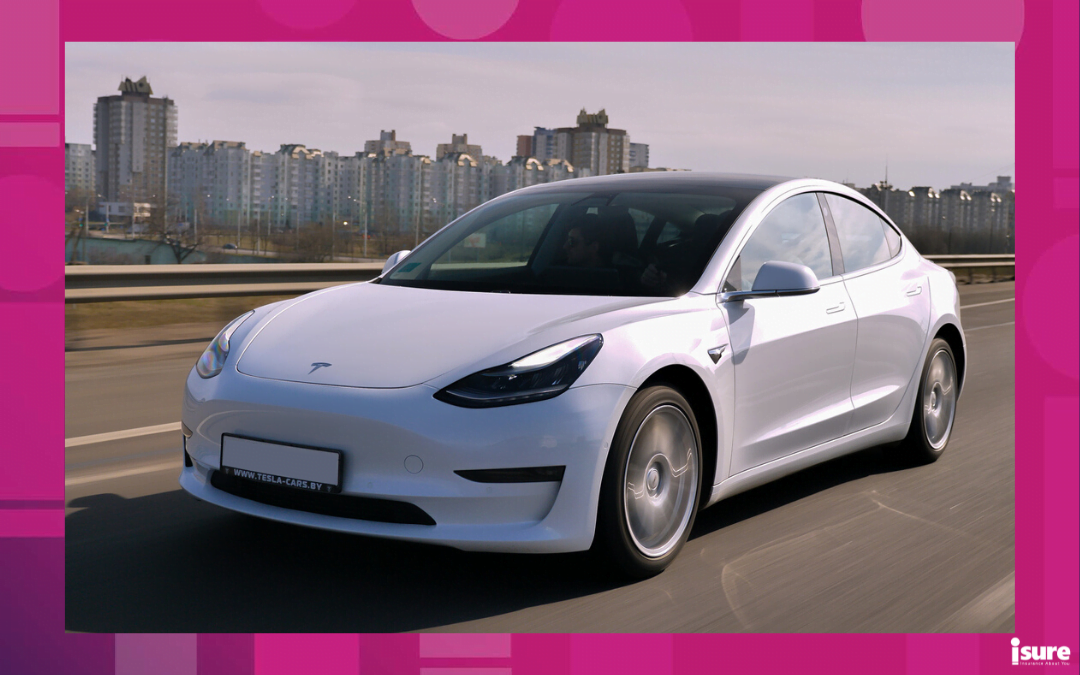
We have ditched fossil fuels and gas tanks for Battery Electric Vehicles. These types of electric vehicles have at least one fully electric motor and battery pack. Many BEVs, often referred to as just EVs, will offer two sizes of battery packs and at least two powertrain configurations. The most notable models under this umbrella are Tesla vehicles. The flexibility of BEVs allows shoppers to prioritize different elements, such as added performance, more driving range, or an overall lower base price. For example, the Tesla Model Y offers Base, Long-Range, and Performance trims.
How Do BEVs Work?
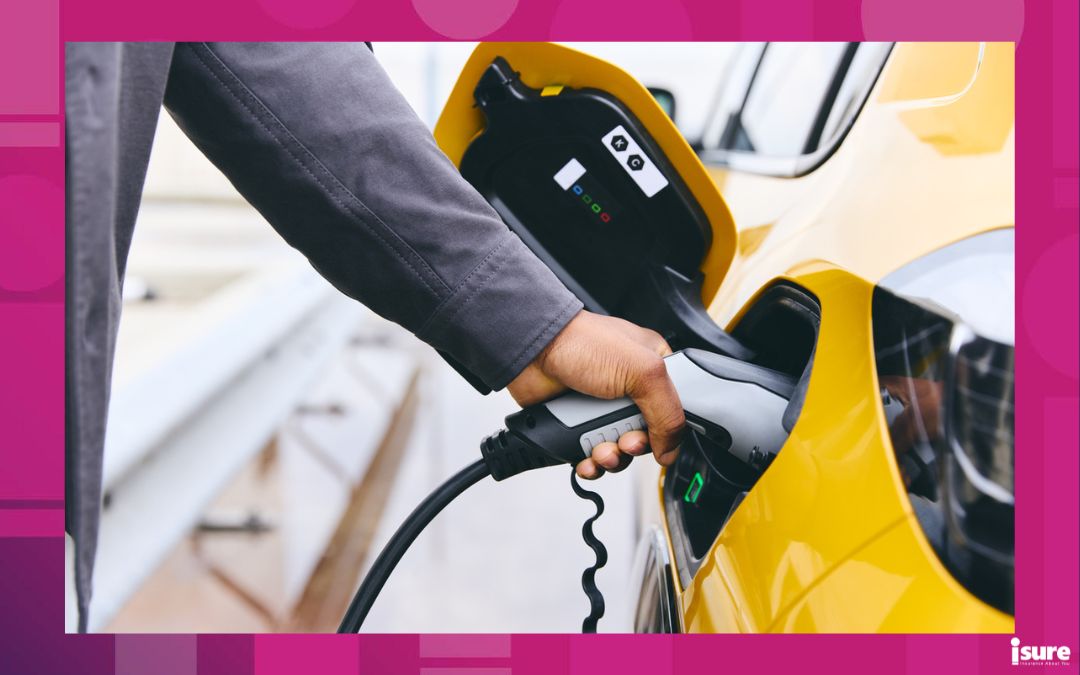
BEVs are powered by electric motors and rechargeable battery packs. The driving range depends on the battery size and model. These vehicles require charging at home or public charging stations.
Key Features of BEVs:
- Zero emissions and no need for gasoline.
- Longer charging times compared to refueling a gas car.
- Typically more expensive than hybrid models.
Even with a full charge, you won’t be able to travel as far as most gas cars before you need to recharge your vehicle. Additionally, smaller cities may lack charging facilities in parking lots and at gas stations. Overall, BEVs are still generally more expensive than vehicles powered by gas alone, or hybrids.
4. Hydrogen Fuel Cell Electric Vehicles (FCEVs)
Arguably the rarest type of electric cars are Hydrogen Fuel Cell Electric Vehicles (FCEVs). Unlike BEVs, they don’t rely on a battery charged by the electrical grid.
How Do FCEVs Work?
FCEVs use gaseous hydrogen to generate electricity through a fuel cell. The only emission from these types of electric vehicles is water vapor.
Key Features of FCEVs:
- Faster refueling times compared to BEVs.
- Do not depend on grid electricity, making them more environmentally friendly in some cases.
- Limited availability, with models like the Toyota Mirai primarily sold in select locations such as Quebec and British Columbia.
However, with their rising popularity, we may soon see them on the streets of Ontario.
Conclusion: Choosing the Right Electric Vehicle Type for You
Now that you understand the different types of electric vehicles, you can choose the best option based on your driving needs and preferences. Whether you opt for a fully electric BEV, a fuel-efficient hybrid, or a hydrogen-powered FCEV, having the proper EV car insurance coverage is essential.
Contact isure today or request a quote to ensure your electric vehicle is fully protected!
The revolution of electric vehicles is gaining speed in Canada. Read more

As the seasons start to change, car maintenance for electric Read more
Eco-friendly cars are all the rage these days, but are Read more