Driving in Canada requires a valid Canadian driver’s licence, but the rules for obtaining, renewing, and maintaining one vary by province and territory. Whether you are a new driver, relocating to another province, or reviewing your renewal requirements, it is essential to understand how the graduated licensing system works across the country. This article provides an up-to-date overview of renewal schedules, age and medical checks, and key provincial differences.
1. Licensing Overview
All Canadian provinces and territories issue driver’s licences, but the age requirements, renewal frequency, and testing processes differ:
- Graduated licensing: Most provinces use a multi-step system for new drivers, typically including a learner’s stage, a probationary or novice stage, and a full licence.
- Vision and medical requirements: All provinces require a vision test at some point; medical declarations may be required for specific health conditions or age groups.
- Renewal schedules: Renewal intervals vary, from every 1–10 years, depending on age, licence type, and province.
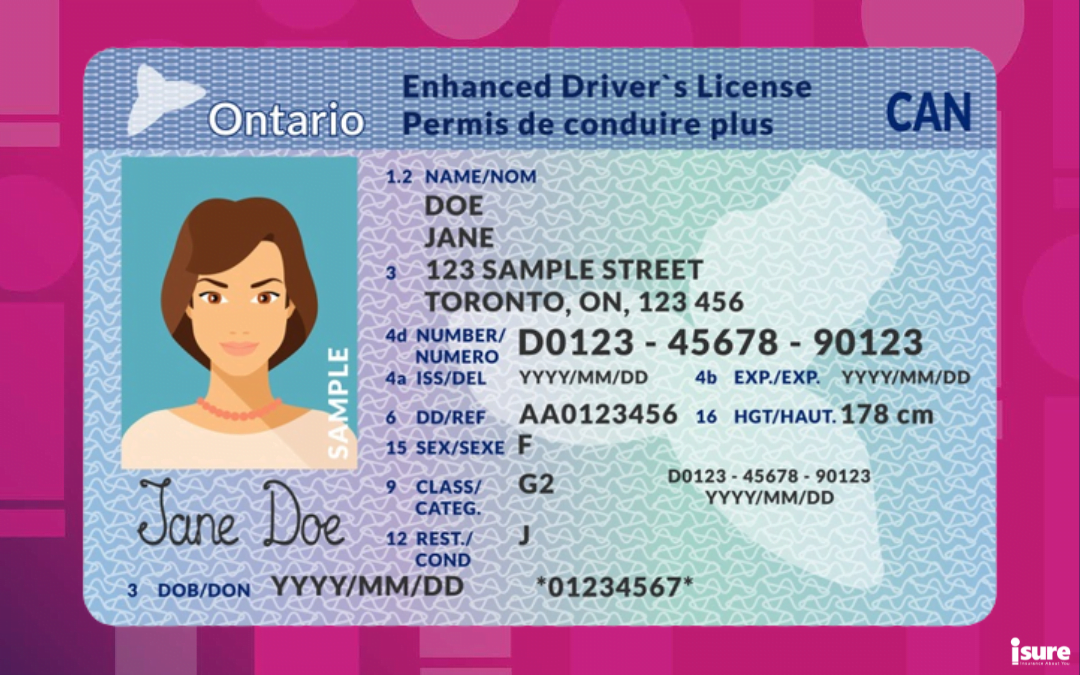
In Ontario, you usually need to renew your driver’s licence every five years. You may receive a renewal notice in the mail or by email about two or three months before your licence expires. It is illegal to drive with an expired, cancelled, or suspended driver’s licence.
2. Provincial and Territorial Differences
Here’s a summary of licensing rules for adults across Canada (focus on G-class or equivalent passenger vehicle licences):
| Province/Territory Renewal Frequency Age-Related Checks Notes | tes | ||
|---|---|---|---|
| Ontario | Every 5 years (full G licence), every 2 years for 80+ | Vision & cognitive screening for 80+ | Streamlined one-stop renewal for seniors (2025) |
| Quebec | Every 4 years | Medical or vision checks starting at 75+ | Graduated licence: 2-year learner & probationary periods |
| British Columbia (BC) | Every 5 years; 2 years for 80+ | Vision test 80+, medical exam 85+ | ICBC may request a road test for seniors or medical conditions |
| Alberta | Every 5 years, 1–2 years for 75+ | Vision and medical check 75+ | Renewal intervals vary by licence class |
| Manitoba | Every 5 years; 2 years for 75+ | Vision testing required | Additional medical review if necessary |
| Saskatchewan | Every 5 years; 2 years for 75+ | Vision test for 75+ | Medical review may be requested |
| Nova Scotia | Every 5 years; annual renewals possible for 80+ | Vision and medical checks | Seniors may need additional testing |
| New Brunswick | Every 5 years; 2 years for 80+ | Vision & medical declaration | Graduated licensing for new drivers |
| Prince Edward Island | Every 5 years | Medical declaration optional | Graduated learner system |
| Newfoundland & Labrador | Every 5 years | Vision & medical declaration | Graduated licence program applies |
| Yukon | Every 5 years | Medical & vision checks | Road test required for new drivers |
| Northwest Territories | Every 5 years | Medical & vision checks | Graduated licensing applies |
| Nunavut | Every 5 years | Medical & vision checks | Graduated licensing applies |
Tip: Renewal frequency and age-related checks are subject to provincial updates. Always check your local transportation authority for the most recent requirements.
3. Graduated Licensing System in Canada
Most provinces use graduated licensing to train new drivers safely:
- Learner’s Stage: Must drive with a fully licensed adult and may have restrictions (e.g., no nighttime driving, zero alcohol tolerance).
- Probationary/Novice Stage: Limited passenger or nighttime restrictions; typically lasts 1–2 years.
- Full Licence: Full driving privileges; subject to renewal rules and ongoing medical or vision checks.
For full details on affected products and Ontario-specific deadlines, visit ontario.ca/RenewalDeadlines.
4. Age and Medical Considerations for Driver’s Licensing Across Canada
While the article is not only about seniors, age and health can affect licensing anywhere in Canada:
- Vision tests, medical exams, and cognitive screening may be required for drivers 65–85+, depending on the province.
- Medical professionals are often obligated to report conditions that may impair driving, including seizures, cardiovascular issues, or dementia.
- Provinces like Ontario, BC, and Alberta have specific protocols for seniors to maintain safe driving privileges.
5. Inter-Provincial Licensing
- Moving to a new province: Canadian drivers can exchange their licence for a local one without retesting in most provinces, but rules vary.
- Graduated licences: Some provinces may require you to complete parts of the graduated system if you’re under a certain age.
- International licences: Visitors or new residents must check local requirements; most provinces allow temporary driving with a valid foreign licence for three to 12 months.
6. Key Takeaways
- Licensing rules differ significantly across provinces; it’s essential to verify your local regulations.
- Renewal intervals and tests may depend on age, health, and licence class.
- Canada’s graduated licensing systems help ensure new drivers develop safe driving habits.
- Seniors or drivers with medical concerns should plan for vision, cognitive, and medical assessments.
- Always check the provincial Ministry or Department of Transportation website for the most current requirements.
Canadian Driver’s Licence Reference Guide (2025)
This detailed guide from the Federal Motor Carrier Safety Administration (FMCSA) outlines the driver licensing classification systems for all 13 Canadian jurisdictions—10 provinces and three territories. It includes information on:
- Driver licence classes
- Types of vehicles permitted
- Restriction and endorsement codes
This resource is handy for understanding the standardized classification and coding systems used across Canada.
Navigating driver’s licensing across Canada can be complex due to differences between provinces and territories. Whether it’s renewing your licence, understanding age-based requirements, or checking interprovincial rules, staying informed is essential for safe and legal driving. isure representatives are available to help answer questions, guide you through renewal procedures, and provide clarity on licensing and insurance requirements across Canada.
Drive with Confidence
Request your free car insurance quote now and get the coverage you deserve.


Prepare for your Ontario G licence road test with expert Read more

You might remember hearing about the Enhanced Driver’s Licence (EDL) Read more
In Ontario, you’re required by law to update your driver’s Read more