

Whether you own a small retail shop, a consulting firm, or a growing manufacturing operation, knowing these key insurance terms can help you make informed decisions and avoid costly surprises. In this article, we have outlined some of the most common business insurance terms that you will see in business.
Commercial General Liability (CGL)
To start, Commercial General Liability (CGL) is a type of insurance that protects Ontario businesses from claims involving bodily injury or property damage caused by a third party. Additionally, it covers legal defense costs and settlements if necessary.
Additional Insured
An additional insured is a person or organization added to an insurance policy to receive protection under it.
Professional Liability Insurance (Errors & Omissions)
Another one of the most common business insurance terms are Professional Liability Insurance/Errors and Omissions. This type of insurance covers any financial losses that clients may incur as a result of the company’s mistakes or negligence. This policy helps cover legal defence, judgments, and settlements if necessary.
Write-Off or Total Loss
A write-off or total loss is when a business or insurer determines that damaged equipment or property is beyond repair. If the property is not deemed worth restoring, the insurer will then compensate based on the policy conditions.
Claims-Made Insurance Policy
This policy only provides coverage if the claim is made while the policy is in effect. This means that the coverage will depend on when the claim is reported, not when the incident occurred.
Proof of Loss
This is a formal statement that is submitted to the insurer after a covered loss has occurred. It includes details such as the amount claimed, the cause of damage, and evidence of ownership or value.
Business Interruption Insurance
This coverage helps replace lost income and cover ongoing expenses when a business temporarily shuts down due to an unforeseen, insured event, such as fire or flood.
Property Insurance
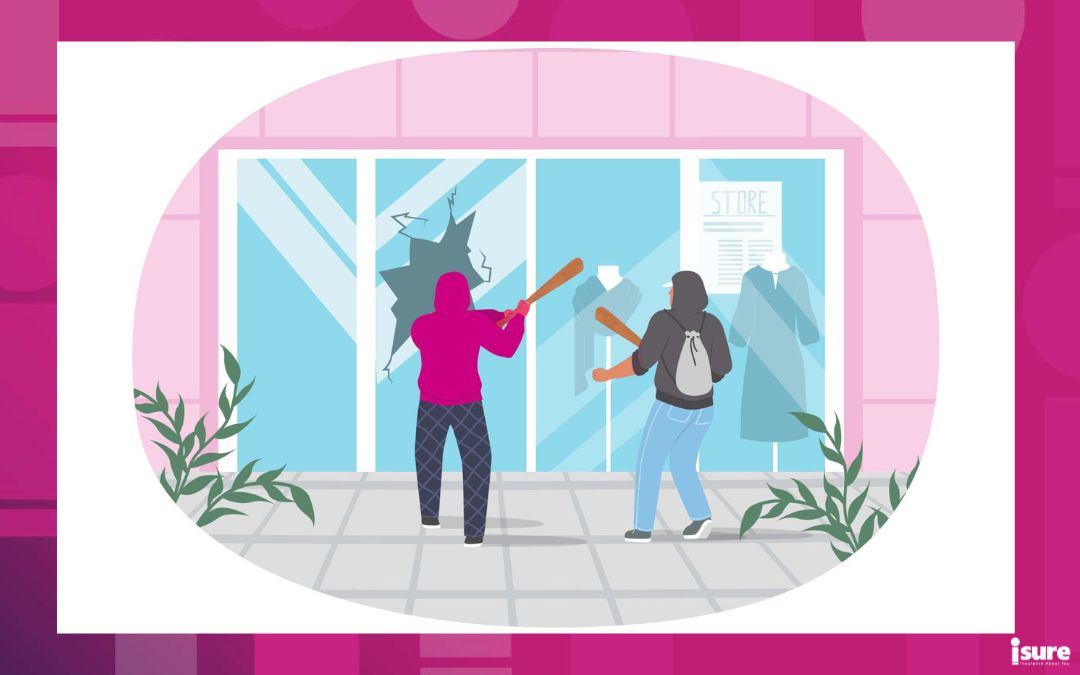
Property insurance covers your physical businesses’ buildings, inventory, equipment, and any other physical assets. It covers these from perils such as theft, vandalism, or fire. Coverage may also extend to specific weather events or water damage, depending on the policy’s terms and conditions. It’s essential for any business with a physical location or valuable assets.
Certificate of Insurance (COI)
A Certificate of Insurance is a document that summarizes your insurance coverage. It provides proof of active policies, coverage limits, and expiry dates.
Perils
Perils are specific risks or causes of loss covered by an insurance policy, such as fire, theft, or water damage. Ontario businesses can choose between “named perils” (specific risks listed) and “all-risk” (broader protection) policies. Understanding which perils are covered helps avoid unexpected claim denials.
Extra Expense Coverage
This coverage reimburses the additional costs a business incurs to minimize disruption after an insured loss. It can cover temporary rentals, equipment leases, or overtime pay to resume operations quickly. It’s often included alongside business interruption insurance.
Appraisal
An appraisal determines the value of property or damage during an insurance claim dispute. If an insurer and policyholder disagree on a claim amount, each can appoint an appraiser to assess value.
Arbitration
Arbitration is a legal method for resolving insurance disputes outside of the court system. Many commercial insurance policies include arbitration clauses to settle disagreements efficiently.
Replacement Value
Next on the list of common business insurance terms is replacement value. Replacement Value is the cost to replace damaged property with new items of similar kind and quality, without deducting depreciation.
Rider
A rider (or endorsement) adds, changes, or removes coverage from a standard insurance policy. It helps your policy be more personalized and better align with your business’s needs.
Aggregate Limit
The aggregate limit is the maximum amount an insurer will pay for all covered losses during a policy period. Once reached, no further claims will be paid until the next renewal.
Business Owner’s Policy
A Business Owner’s Policy bundles property, liability, and business interruption coverages into one package. It’s ideal for small and medium-sized businesses seeking affordable, comprehensive protection.
Deductible
A deductible is the amount you pay out-of-pocket before your insurer covers a claim. Higher deductibles can reduce premiums, but they also increase your financial responsibility in the event of a loss. Businesses should select deductibles that strike a balance between affordability and risk tolerance.
Loss
A loss refers to damage, injury, or financial harm resulting from an insured event. In business insurance, losses can be physical damage or financial damage.
Equipment Breakdown Coverage
This coverage protects against sudden mechanical or electrical failure of essential business equipment. It helps cover repair or replacement costs and any business interruption caused by the breakdown.
Underwriter
An underwriter evaluates risk and determines the terms, coverage, and premium for an insurance policy. Underwriters assess factors like business size, industry, and claims history. Their role ensures fair pricing that reflects each business’s specific risk profile.
Loss Control
Loss control refers to strategies or services designed to reduce the likelihood or severity of insurance claims. Moreover, insurers may offer safety inspections, risk assessments, or employee training to help prevent losses.
Directors and Officers (D&O) Liability Insurance
Directors and Officers (D&O) insurance protects company directors and officers from personal financial loss due to management-related lawsuits. The policy covers legal defence costs and potential settlements.
Coinsurance
Coinsurance requires the policyholder to insure property to a specified percentage of its value. If the coverage falls below the percentage threshold, the insurer may reduce claim payouts.
Binder
A binder provides temporary proof of insurance coverage before the final policy is issued. It outlines the essential terms, limits, and effective dates.
Workers’ Compensation Insurance
Most employers are required to register with the Workplace Safety and Insurance Board (WSIB). This mandatory coverage provides benefits for employees injured on the job, including wage replacement and medical care.
Standard of Care
The standard of care refers to the level of skill and attention a reasonable professional would exercise in similar circumstances. Breaching this standard can result in liability claims, especially for professionals.
Cyber Liability Insurance
Cyber Liability Insurance offers financial protection for data breaches, ransomware, and digital fraud.
Grace Period
A grace period is the time after a policy’s due date during which payment can still be made without coverage lapsing, provided payment is received.
Retroactive Date
The retroactive date marks how far back a claims-made policy will cover incidents that occurred before the current policy period.
Business Insurance Terms: Conclusion
Understanding business insurance terms empowers Ontario business owners to make smarter coverage decisions and communicate effectively with brokers and insurers. By staying informed, you ensure your business has the proper coverage. If your business has any questions about your coverage, do not hesitate to contact an insurance provider.
Protect Your Business
Request a free commercial insurance quote today and keep your business secure.


Running a business is ripe with exciting opportunities; however, it Read more

isure has you covered when it comes to everything you Read more

The world of business can be confusing to navigate. When Read more