
If you’ve been out on the roads, you know that not everyone drives well — but most people think they do. Some drivers drive aggressively, while others fail to pay enough attention and inadvertently wander into other lanes. Some may follow too closely, make sudden turns without signalling, or weave in and out of traffic in the hopes of getting to their destination sooner. You may think you are a good driver, but there is a lot of misinformation out there. Driving myths persist among Ontario drivers — even as vehicle technology, insurance regulations, and safety laws continue to evolve. Below are some newer misconceptions to be aware of, along with the real facts behind them. Staying informed helps you drive more safely and may even save you money on your car insurance.
1. Myth: Drivers are not allowed to move their vehicles after a crash
Truth: You can, and if safe and possible to do so, should move your vehicle after a minor accident. In the past, emphasis was on ‘maintaining the scene of the accident’ for police to be able to investigate. This will invariably lead to a massive traffic backlog. However, according to FSCO, after a minor accident, you should move your vehicle to the side of the road, out of traffic. In some jurisdictions, the police don’t even respond to minor collisions, and you have to take the vehicle to a reporting centre. However, if your car cannot be driven, turn on your hazard lights or use warning triangles when appropriate.
2. Myth: ‘Cutting in’ at a merge slows traffic down
Truth: Contrary to popular belief, the “zipper merge” actually works. No one in the straight-through lane appreciates having to accommodate other drivers ‘bullying their way in. Why didn’t they move up in the lineup earlier? According to traffic experts, if drivers use both lanes right to the closure point and then alternate moving into the open lane, like a zipper, everyone gets by that point faster, and the bottleneck is reduced. Zipper merging improves traffic flow only if everyone participates. If drivers in the through lane block those trying to get in, the zipper isn’t as effective.
3. Myth: The middle lane is the driving lane
Truth: It isn’t. Drivers are expected to stay to the right as much as possible, and leave the other lanes open for passing. That includes the middle lane on a three-lane highway. During rush hour or on highways with numerous on-ramps, it may be easier if you temporarily move to the middle lanes and leave the right-hand lane open for merging onto the roadway. The general rule of thumb is that if someone passes you on the right, you’re in the wrong lane.
4. Myth: Always be a polite driver
Truth: Not necessarily. This one made it to our list of driving myths because the right-of-way rules ensure that drivers move in sequence without colliding with each other. What drivers don’t realize is that those who think they’re being polite by letting other drivers go first when it’s not their turn are actually creating a dangerous situation for everyone. Know the rules, and do your best to (safely) not give up the right-of-way when it’s yours.
5. Myth: All-wheel drive is a winter necessity
Truth: It’s nice to have all-wheel drive. However, contrary to popular belief, 4WD doesn’t stop any sooner than FWD. In fact, the extra weight can increase the stopping distance. Your most essential tools in the snowy months are winter tires and good driver training. Winter tires have a softer compound and aggressive tread that help bring you to a stop faster on cold and snowy roads in all vehicles. Power to all four wheels won’t get you anywhere if the tires aren’t gripping the road. Many drivers stop their education after acquiring their licence. Winter skid school may seem pricey, but after you’ve spent several thousand buying a car, a few hundred dollars more to keep it in one piece is a real bargain.
6. Myth: You need to warm up your car before driving in winter
Truth: This is one of those driving myths most people don’t realize. This was once the case when cars had carburetors. Today, your vehicle requires only about 30 seconds to start before you can drive away. The car’s computer compensates for the cold start with a richer fuel mixture. Driving warms the engine faster than idling it. It’ll also reduce emissions and help reduce engine wear.
7. Myth: Hold the wheel at 10 and 2
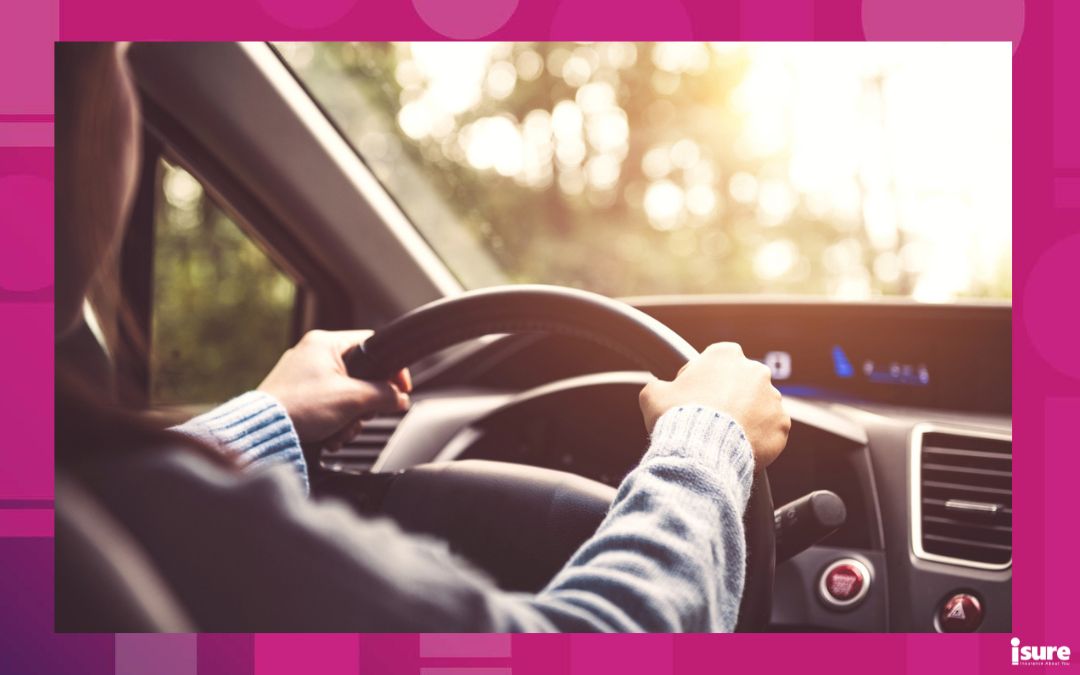
Truth: That’s what driving schools taught for years, but it’s no longer the rule. It has been replaced by the superior 9-and-3 position, allowing you the full range of motion while steering. Holding the wheel correctly is also safer if the airbag deploys. If you’re having the wheel at the top, the airbag will slam your knuckles into your face.
8. Myth: As long as my seatbelt is on, I’m safe
Truth: This may not fit entirely into the ‘driving myths’ category per se, but not only do you need to wear your seatbelt, you need to wear it correctly. It should go over your shoulder at your collarbone, which is strong enough to withstand the force in a crash. Be sure to use the seatbelt’s height adjusters on the pillar for a better fit. And when you’re buying a vehicle, make sure you can sit safely in it. If the seatbelt isn’t comfortable, it’s not the car for you.
9. Myth: You can’t do anything about black ice
Truth: There are steps you can take to help protect yourself when encountering black ice. Black ice is a fragile, icy film that’s hard to see in harsh conditions. It tends to form when the temperature is around 0°C. Watch for patches that look glossy or darker than the surrounding asphalt. Braking on ice can cause your vehicle to slide. Instead, slow down before you reach suspect areas.
10. Myth: Pedestrians always have the right of way
Truth: Most of the time that’s true, but not always. In Ontario, stepping onto the road during the countdown on a crosswalk timer is against the law. Pedestrian countdown clocks are specifically programmed to allow walkers who are already crossing the road to cross safely. It’s essential to remember that both as a driver and a pedestrian, you have the right of way, and how to anticipate oncoming traffic.
11. Myth: You should brake if your car hydroplanes
Truth: No, you really shouldn’t. Hydroplaning occurs when a layer of water slips between the vehicle’s tire and the road. Due to poor road drainage, the tire can’t move through the water, and instead glides on top of it. Braking or steering won’t help because the tires aren’t in contact with the road. Instead, you should keep a firm grip on the wheel, take your foot off the brake, and ensure your wheels are pointing forward so you don’t drift into a different lane or off the road.
12. Myth: Being tired won’t affect my driving
Truth: You may think you’re immune to drowsy driving, but in fact, it can be as deadly as drunk driving. Research by the Ontario Ministry of Transportation suggests that 26 percent of all fatal and injury crashes are estimated to be related to fatigue or drowsy driving. Continually assess your mood and level of wakefulness before you drive, and if you feel it may not be safe to get behind the wheel, don’t.
13. Myth: Other drivers have to let me onto the highway!
Truth: Actually, no, they don’t. As irritating as it may be to look over to a fellow driver hoping they’ll open a gap and let you merge onto the highway, and instead they leave no room whatsoever, Ontario law actually doesn’t require them to help you. Freeway traffic that is already moving has the right-of-way. When it is safe, you can merge or pass when necessary. When merging onto a highway ramp, you must yield to all oncoming traffic. The bottom line is that the merging lane does not have the right of way, which is why we felt it was essential to include this one on our list of driving myths.
14. Myth: Experienced drivers are less likely to get into accidents
Truth: It’s a generally accepted belief that the more kilometres you clock in, the less likely you are to get into accidents. However, many studies suggest accident rates do not correlate with a driver’s experience. No matter how experienced a driver you may feel you are, it’s always advisable to be cautious and thoughtful.
15. Myth: Hands-free means distraction-free
Truth: Hands-free devices may keep your hands on the wheel, but not necessarily your mind on the road. Studies from CAA and Transport Canada show that mental distraction from hands-free phone use can delay reaction times and reduce awareness. Even if it’s legal, distracted driving can still cause collisions — and result in careless driving charges in Ontario.
16. Myth: Full coverage means you’re covered for everything
Truth: “Full coverage” is often misunderstood. It typically includes liability, collision, and comprehensive coverage — but doesn’t protect against everyday wear, engine failure, or aftermarket parts. Review your policy to know exactly what’s included and what isn’t.
Driving myths can be found throughout the driving community. Many regulations have been updated and may differ significantly from those in effect when you took your road test. Instead of relying solely on word of mouth, conduct your research on the Ontario government website and reputable organizations, such as Young Drivers of Canada, to ensure you’re up-to-date with the latest laws and practices. And remember, your isure representative can assist you with any insurance-related questions regarding your vehicle.
Drive with Confidence
Request your free car insurance quote now and get the coverage you deserve.


Nervous about Ontario highway driving? We've got all you need Read more

Whether you’re a new or inexperienced driver, everyone should make Read more
Winter driving in Ontario can bring unpredictable conditions — from Read more