
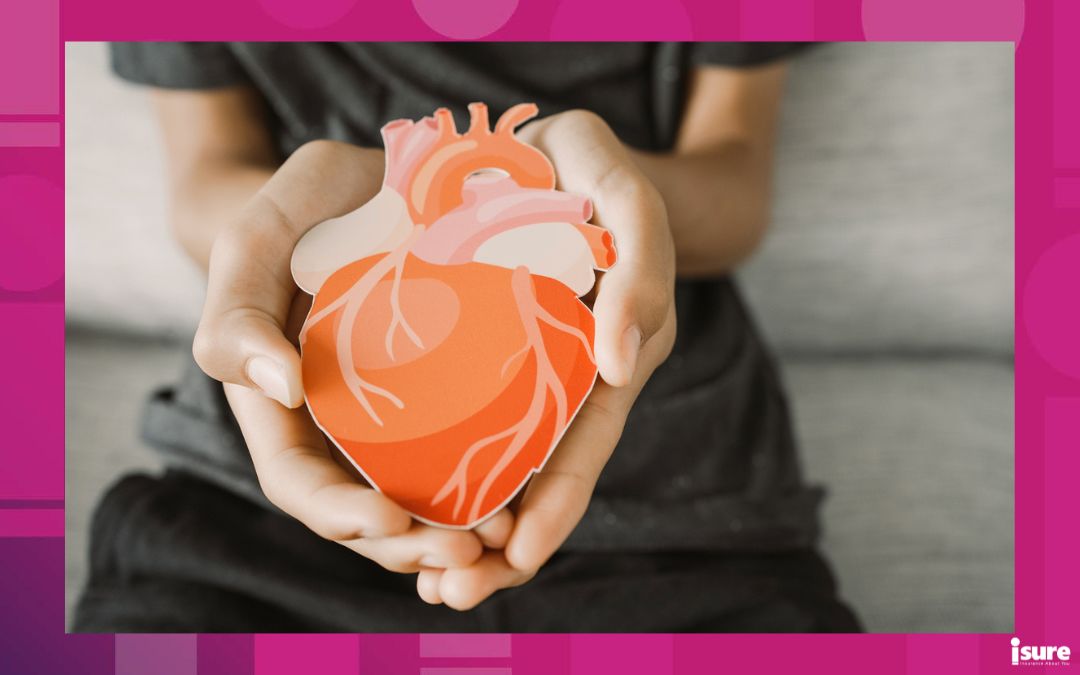
What are the facts when it comes to organ donation?
There is an undeniable and urgent demand for organs for transplantation. As of December 31, 2024, 4,044 Canadians were on the waitlist to receive an organ transplant. Moreover, in 2024, 691 Canadians were removed from waitlists, of whom 31% were removed due to their passing. No statistics are currently available for 2025.
What is your role as an Ontario driver?
Your role in organ donation registration is vital for many reasons. Given the high number of drivers, increasing the organ donor rate can significantly increase the total number of donors. Think of how many vehicles are on the roads of Ontario every single day. Even if a small percentage of those drivers register for organ donation, the above numbers can be cut significantly.
The key is awareness, encouraging others to become a part of the solution and become donors. Drivers who choose to become organ donors can feel like they are an active part of improving their community, helping save and improve the lives of many waiting for transplants.
Why is it essential to become an organ donor?
The Trillium Gift of Life Network
The Trillium Gift of Life Network is a not-for-profit organization funded by the Ontario government. It organizes, drives, and promotes organ and tissue donation across the province.
What are the requirements for organ donation?
Here is what you need to register:
- You must be at least 16 years of age
- Provide your date of birth
- Must have a health card to provide the card number and version code (if applicable)
How do you register to become an organ donor?
They have made the interface straightforward, making the process more accessible. These are three ways to register as an organ donor:
- Go to Ontario.ca to register online
- In person at any ServiceOntario centre
- Complete a Gift of Life consent form and send it to ServiceOntario.
After that, you should receive a confirmation letter, and you are good to go.
What happens after you register to become an organ donor?
After registering, the most important thing to do is to tell your family or loved ones about your decisions so that they are well informed of your wishes at the time of your passing.
How can you tell if someone is an organ donor in Ontario?
- First, visit the Be a Donor home page and select “Check Your Registration Status.” This will take you to the ServiceOntario online registration page. Click “Register, check, or update your consent online.” The system will ask for identification.
- Another way to tell whether a person is an organ donor is to look at the back of their health card. It will say “donor” on it. Also, just a note: if you have signed a donor card in the past, you must register online, as paper cards are no longer in use.
I want to withdraw my consent for organ donation; how do I do this?
You can constantly update or withdraw your consent at any time. Go to BeADonor.ca and click “Check or Update Registration.” It’s as simple as that.
Which organs or tissue can you donate?
The organs that can be donated vary, depending on the person. However, here is a list of the organs and tissues that can be donated:
Organs:
- Heart
- Lungs
- Kidneys
- Liver
- Small Bowel
- Pancreas
Tissue:
- Eyes
- Heart Valves
- Tendons
- Bone/Ligaments
- Skin (paper-thin layer)
Here is more information about transplant options.
Does my age or medical history affect my ability to donate organs?
No, it doesn’t. Age is not a factor in deciding to become an organ donor. Even those with serious illnesses can still consent to be organ donors. It is every person’s individual choice to register, and each potential donor is evaluated individually.
What is the organ donation process for my family after my passing?
Your loved ones will be notified of your wishes and be told of the potential options for organ and tissue donation. Following that, a series of tests will be conducted to ensure that your organs and tissues are viable for donation. Then, after the operation and recovery process, your family may begin funeral arrangements.
Organ Donation: Conclusion
In conclusion, registering to become an organ donor as a driver is a noble and significant choice. It can help to save and improve lives, public health, and the community. It may seem like a minor decision, but it makes a big difference! Your decision could save not just one life but many.
Drive with Confidence
Request your free car insurance quote now and get the coverage you deserve.



If you are a novice driver, there are many G1 Read more

Car accidents in Ontario are often preventable, with the most Read more

Did you know there are variations of AVs? Let's explore Read more