
When you run a small, medium, or large business, one of the biggest threats to your financial stability is liability. From legal fees to potential damage awards, one lawsuit can be enough to jeopardize everything you’ve built. While many businesses in Ontario understand the importance of Commercial General Liability (CGL) insurance, fewer are aware of a specific but critical component of that protection: Contractual Liability Insurance.
If your business operates under contracts with clients, subcontractors, suppliers, or tenants, you may be exposed to serious financial risk if you’re not covered properly. In this article, we’ll break down what contractual liability is, what it covers, common exclusions, how endorsements work, and best practices to protect your business.
What Is Contractual Liability Insurance?
Contractual liability insurance is a component of most Commercial General Liability (CGL) policies. It covers your legal responsibility when you assume liability for another party through a written agreement, such as a lease, service contract, or subcontractor agreement.
In other words, whenever you sign a contract that includes risk transfer, you may be taking on legal responsibility for certain damages or claims. Without proper insurance coverage, that assumed liability can become a costly problem.
Good to know:Since 1986, most standard CGL policies have included some form of contractual liability coverage automatically. However, this coverage may be limited and might exclude some contract types unless explicitly endorsed.
Why CGL Insurance Is Essential
Under common law in Ontario, business owners owe a duty of care to customers, vendors, tenants, and the general public. If something goes wrong, and someone is injured or their property is damaged, they can take legal action.
To make a successful claim, the plaintiff must prove:
- A duty of care was owed.
- That duty was breached.
- Damages or injury occurred as a result.
Without insurance, your business could be on the hook for legal costs, settlements, and court-ordered payments.
What Does a CGL Policy Typically Cover?
Your CGL insurance policy protects against a range of third-party claims. Key areas of coverage include:
- Bodily injury to third parties
- Property damage to third parties
- Products liability
- Tenants’ legal liability
- Completed operations
- Personal and advertising injury
Example: How CGL and Contractual Liability Interact
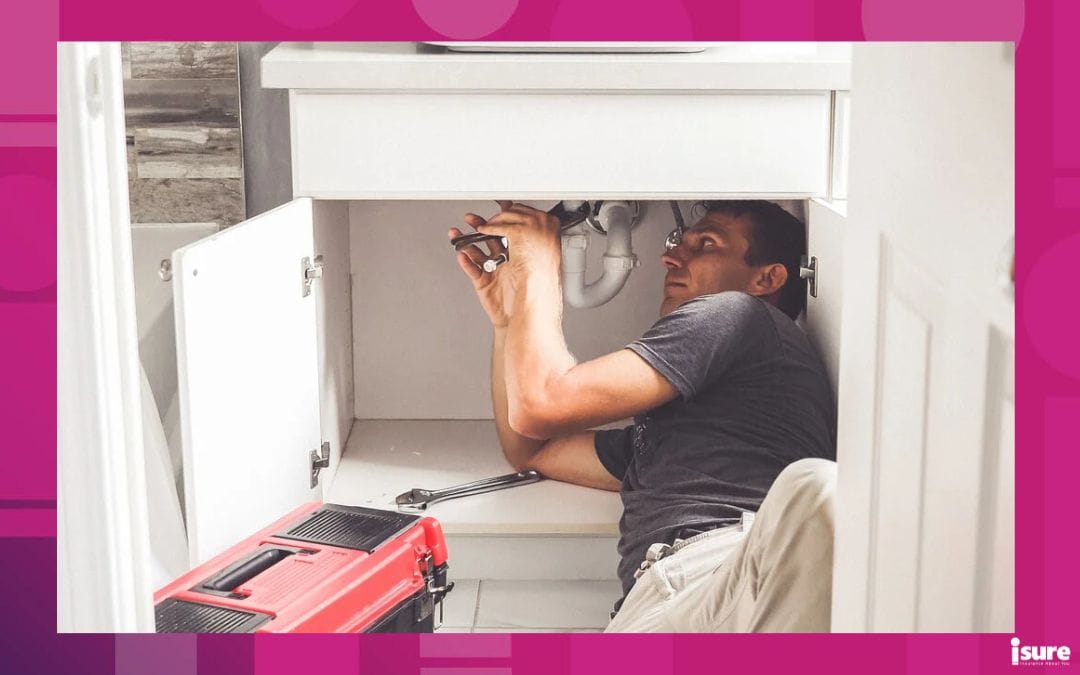
Let’s say you’re a plumber hired by a homeowner to repair a kitchen faucet. If you accidentally break a pipe and flood the room, causing damage to furniture, your CGL policy would likely cover the damages.
However, if you’re hired by a general contractor under a contract that includes a “hold harmless” clause, your CGL policy may not cover the damages unless you have contractual liability insurance.
When CGL Insurance Doesn’t Cover You
While your CGL policy provides broad protection, it does not cover all liabilities—especially those you voluntarily assume under a contract.
Contracts with “Hold Harmless” Clauses
If your contract includes a “hold harmless” agreement, you agree to take responsibility for all damages or legal costs—even if you’re not at fault. In these situations, your standard CGL insurance may not respond unless you’ve added contractual liability coverage.
Understanding “Hold Harmless” Clauses
These clauses are common in construction, commercial leasing, and professional services contracts. They often state that your business will indemnify (pay for the losses of) the other party in case of damages or lawsuits.
Real-World Example:
You’re a subcontractor hired by a general contractor to install plumbing in a new commercial building. The contractor signs a hold harmless agreement with the building owner. If something goes wrong—say you burst a pipe—the building owner may sue the general contractor.
But under the terms of your agreement, you are liable for all damages and legal costs. That’s a heavy financial burden to bear without the right coverage.
Exclusions in Contractual Liability Coverage
Contractual liability insurance does not provide a blanket guarantee for all contract-related issues. Common exclusions include:
1. Failure to Fulfill a Contract
Your policy does not cover breach of contract if you fail to complete the agreed-upon services or deliverables. It only applies to liability for bodily injury or property damage caused in the course of fulfilling that contract.
2. Coverage Limits
All insurance policies have limits. Be sure your contractual liability limits match the value and risk level of your contracts.
Types of Contractual Liability Endorsements
If your CGL policy excludes specific contracts, you can customize your coverage through endorsements.
➤ Standard Contractual Liability Endorsement
This endorsement lists specific contracts you want covered. You must provide details for each one. The downside? If you forget to list a contract, there’s no coverage.
➤ Blanket Contractual Liability Endorsement
This more expensive—but more convenient—option provides automatic coverage for all contracts without needing to name them individually. It’s a good choice for businesses with frequent or varied contractual obligations.
What Is a Certificate of Insurance (COI)?
A Certificate of Insurance (COI) is a one-page summary of your insurance policy. It proves to potential clients, vendors, or partners that your business has adequate liability coverage.
Your COI includes:
- Coverage types
- Effective and expiry dates
- Coverage limits
- Policy numbers
Tip: Clients may request a COI before signing a contract with you. It reassures them that you have the financial backing to cover damages, legal costs, or injury claims if something goes wrong.

Best Practices for Managing Contractual Liability
Managing your contractual liability exposure is crucial for your business’s long-term stability. Here are some expert tips:
Review All Contracts Carefully
Pay special attention to hold harmless and indemnity clauses.
Ask for Proof of Insurance
Request a COI from any vendor, subcontractor, or supplier you hire. This ensures they’re insured, too.
Work With Your Insurance Broker
Before signing a new contract, provide a copy to your insurance broker. They can advise whether your current policy covers the associated risks or if additional coverage is needed.
Understand Your Policy Limits
Know the limits of liability in your CGL and contractual endorsements. If you’re bidding on high-value contracts, you may need to increase them.
Protect Your Business With isure
At isure, we specialize in helping Ontario business owners protect what they’ve built. Whether you’re a contractor, consultant, retailer, or service provider, we’ll help you navigate the complexities of contractual liability insurance and tailor your policy to match your needs.
Let our expert brokers review your contracts and insurance coverage to ensure you’re protected—so you can focus on growing your business with confidence.

Whether your valet damages a customer’s vehicle in the parking Read more

Commercial property is critical to your businesses financial stability. Commercial Read more

Tenant Legal Liability Insurance is a form of Commercial General Read more