

When you first get your driver’s licence in Ontario, you start with zero demerit points. A driver’s goal is always to strive for zero. Sometimes, mistakes and accidents do occur, which can cause your points to increase incrementally. Each traffic violation is assigned a specific number of points, which can increase depending on the severity of the infraction. With that said, how do they affect your driving record in the long run? Will they affect your insurance premium? In this comprehensive guide, we’ll explain how demerit points work in Ontario, what they mean for your licence, and how they may affect your insurance.
What Are Demerit Points in Ontario?
Demerit points are part of a system used by the Ontario Ministry of Transportation (MTO) to monitor and penalise unsafe driving behaviour. These points are added to your driving record when you’re convicted of specific traffic offences under the Highway Traffic Act, as well as some Criminal Code convictions related to driving.
You don’t start with a set number of points. Instead, you start with zero points and accumulate them only if you are convicted of an offence. The more severe the offence, the more points are added to your record.
Do I Lose or Accumulate Demerit Points?
This is a common misconception. You do not “lose” demerit points—you accumulate them. The MTO clarifies this by stating: “You don’t ‘lose’ demerit points on your driving record. You start with zero points and gain points for convictions of breaking certain traffic laws.”
How Do Demerit Points Work in Ontario?
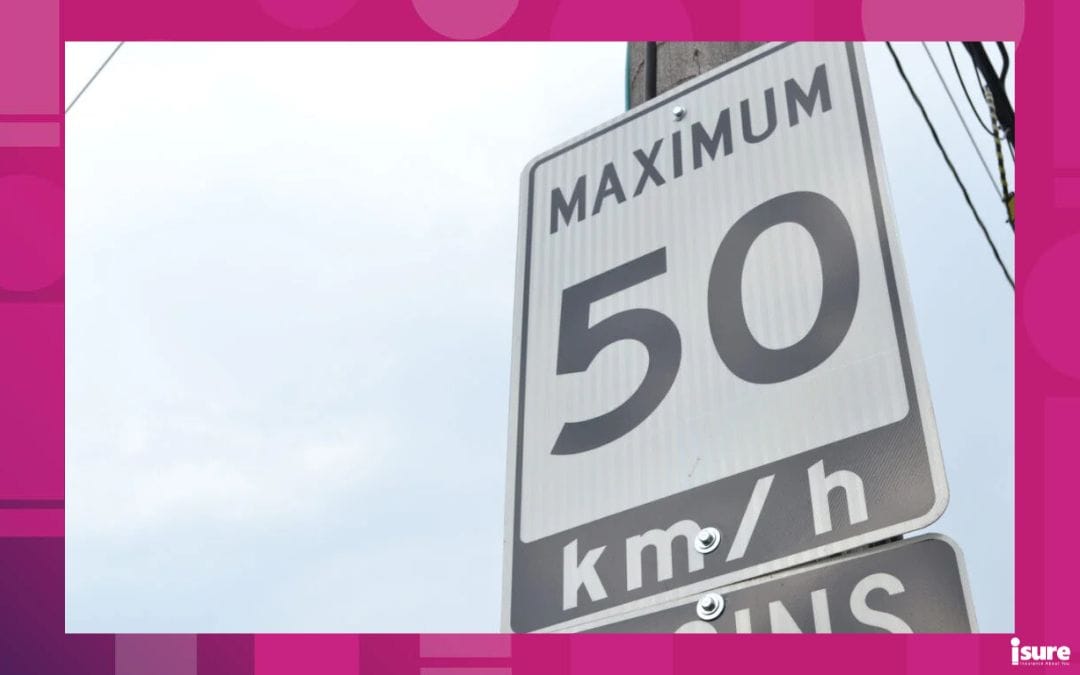
Each traffic offence carries between two and seven demerit points. For example, you will receive three points if you are speeding between 16 and 29 km/h over the speed limit. However, you will receive six points if you are driving 50 km/h or more over the speed limit. The more serious the infraction, the higher the point penalty.
| Offence | Demerit Points |
|---|---|
| Speeding (16–29 km/h over) | 3 points |
| Speeding (30–49 km/h over) | 4 points |
| Speeding (50+ km/h over) | 6 points |
| Careless Driving | 6 points |
| Failing to stop for a school bus | 6 points |
| Running a red light | 3 points |
| Failing to report an accident | 3 points |
| Distracted driving (as of 2025) | 3 points |
| Stunt driving | 7 points |
| Racing or street racing | 7 points |
How Many Demerit Points Before Suspension in Ontario?
Full G licence holders:
- 6–8 points: You’ll receive a warning letter.
- 9–14 points: You may be called in for an interview.
- 15+ points: Your licence will be suspended for 30 days.
Novice drivers (G1, G2, M1, M2):
- 2–5 points: You’ll receive a warning letter.
- 6–8 points: You may be called in for an interview.
- 9+ points: Your licence will be suspended for 60 days.
Failing to attend a demerit point interview can result in a licence suspension!
How Long Do Demerit Points Stay on Your Record in Ontario?
Demerit points remain on your driving record for two years from the date of the offence. After that, they are automatically removed. However, insurance companies and employers may still consider your entire driving abstract, which includes a more extended history of infractions.
Do Demerit Points Affect Car Insurance in Ontario?
Demerit points themselves do not directly impact your car insurance premiums. However, the traffic convictions that cause the points do.
Here’s how it works:
- Minor infractions (like 1–2 speeding tickets): May not impact your rate significantly.
- Major infractions (like careless or stunt driving): Can cause a sharp increase in your premium or even result in policy cancellation.
- Licence suspensions (from excessive demerit points): Can label you as a high-risk driver, requiring facility insurance or high-risk coverage.
Too many traffic convictions can result in the non-renewal of your insurance policy.
If this happens, you’ll need to find coverage with a high-risk insurer, which is much more expensive.
Will Out-of-Province Tickets Affect My Ontario Driving Record?
Yes. Ontario has reciprocal agreements with other Canadian provinces and territories, as well as select U.S. states (e.g., New York and Michigan). If you receive a ticket in one of these jurisdictions, the offence can be recorded on your Ontario driving record, and demerit points may be applied accordingly.
How Can I Check My Demerit Points in Ontario?
You can check your current point total by requesting a driver’s abstract from the Ministry of Transportation (MTO).
Here’s How to Check:
- Online at ServiceOntario.ca
- In person at a ServiceOntario centre
- By mail
Cost:
- Basic driver’s abstract: $12
- Certified driver’s record: $18
You’ll receive your abstract by email or mail, depending on your chosen method.
Can You Reduce Demerit Points in Ontario?
There’s no formal process for removing demerit points early, but you can follow these tips to avoid accumulating more:
- Wait for them to expire (after two years).
- Avoid further convictions to prevent suspension or escalation.
- Consider defensive driving courses (although they don’t erase points, insurers may view them positively).
Common Questions in Ontario
How many demerit points before licence suspension in Ontario?
- Full G licence: Suspension at 15+ points
- Novice driver (G1/G2): Suspension at 9+ points
Do speeding tickets always come with demerit points?
Yes. In Ontario:
- 16–29 km/h over = 3 points
- 30–49 km/h over = 4 points
- 50+ km/h over = 6 points
Will one speeding ticket affect my insurance?
It depends on the insurer. One minor speeding ticket usually won’t drastically affect your rate, but two or more within a short timeframe might.
Can I fight a ticket to avoid demerit points?
Yes. You can dispute the ticket in court. If successful, you may avoid the conviction and the associated demerit points.
Final Thoughts: Drive Smart and Stay Informed
Understanding how demerit points work in Ontario can help you avoid license suspensions, fines, and higher insurance rates. While a few points won’t immediately spike your premiums, serious or repeated offences certainly will. Want to protect your driving record and insurance premiums? Let us help.
We compare quotes from top insurers across Ontario—including Ottawa, Mississauga, and Toronto—to help you find the best rates, even if you have points on your record.
With over eight million drivers on the road, we are Read more
Got a speeding ticket? Here’s what it could mean for Read more

A common misconception when drivers discuss their driving record and Read more