
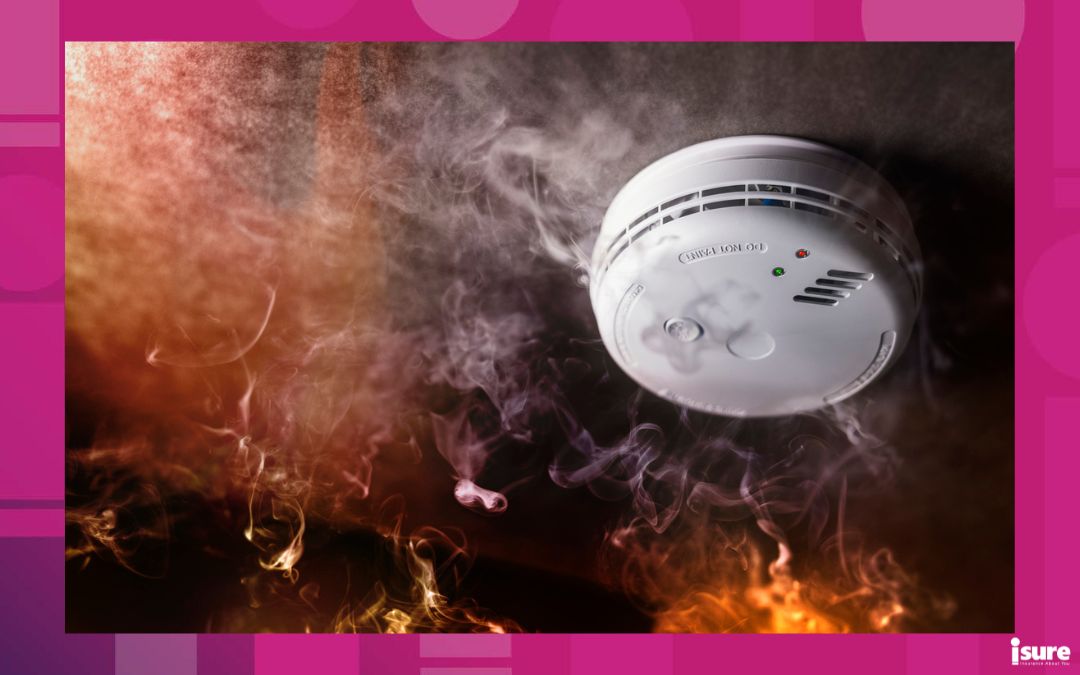
Fires are among the most destructive hazards a homeowner can face, often leading to costly repairs, loss of personal belongings, and temporary displacement. In Ontario, having the right home insurance coverage is essential to protect your property and finances in the event of a fire. This guide covers how fire insurance works, what your policy may include, common causes of house fires, essential safety tips, and how to properly file a claim in the event of a disaster.
How Does Insurance Protect You in the Event of a Fire?
When it comes to fires and home insurance, almost all homeowner insurance policies will cover the damages from a fire. This also includes damage from a fire on a neighbouring property. Of course, this excludes situations where the fire was intentionally started by someone other than yourself. In this case, it is arson. Insurance will cover you by ensuring you are reimbursed for the value of the items you lost. Additionally, you can ensure that you aren’t left without a roof over your head. Most home insurance policies will make sure you are covered for the cost of a hotel or Airbnb while your home is rebuilt. Generally, this limitation is typically up to two years; however, it varies by policy. Home insurance will also make sure you are covered for the cost of any damage done to your home.
Comprehensive or all-perils coverage will usually also protect your car if it suffers damage by fire. This coverage is an additional option to standard auto policies. Therefore, be sure to ask your broker to confirm that you have the appropriate coverage.
Common Causes of House Fires
Here are some common causes of house fires in Ontario:
- Unattended cooking
- Electrical issues
- Heating equipment
- Candles
- Indoor smoking
- Dryers/laundry machines
- Outdoor grills/BBQs
- Christmas trees/holiday lights
Fires and Home Insurance: Safety Precautions
- Do not smoke inside
- Always unplug hair straighteners and irons, even if they are turned off
- Have fire extinguishers handy in areas where there is the highest chance of a fire starting (kitchens, barbecues, fireplaces, etc.).
- Install smoke and carbon monoxide detectors on each floor of your home. Check the batteries twice a year.
- Frequently examine and clean chimneys.
- Be careful with electricity, and avoid running electrical cords under furniture or rugs.
- Keep a multi-purpose fire extinguisher in key areas of your home (kitchen, garage, near exits).
What Does Home Insurance Cover in the Event of a Fire?
A typical home insurance policy covers a wide range of losses in the case of a fire. Most standard home insurance policies in Ontario cover the structure of your home. This means that any costs to repair/rebuild your home if it is damaged or destroyed by fire are covered. Also, personal belongings like furniture, electronics, appliances, and clothing may be covered depending on the item. If you want more information about what is covered in a standard home insurance policy, read our blog!
Does Fire Insurance Cover Vehicles?
No. Typically, in Ontario, fire damage to a vehicle is not covered under a basic auto insurance policy. You would need optional coverage such as comprehensive, specific perils, or all-perils coverage. These cover accidental fires, like externally sourced fires or vandalism, but not engine fires caused by mechanical failure/wear and tear. To make sure you are covered for fire, please check that one of these optional coverages is included in your policy.
Making an Insurance Claim for Your House Fire
To start, the first step to filing an insurance claim for a fire is to notify your insurance provider ASAP. Reaching out via phone or online portal will begin the claims process. Next, you will need to document the damage thoroughly. Take photos/videos of the areas that are impacted, and make a detailed list of all lost or damaged items. It is essential to compile a list of all damages and, if possible, receipts or proof of ownership. This will be handy later in the claims process. Ask your broker about your entitlements regarding fires and home insurance.
During this time, your provider will inspect the damage and assess the cost of potential repairs/replacements. Also, make sure to keep all receipts for any emergency expenses, such as temporary accommodations and other living expenses.
Additional Living Expenses/Temporary Housing
In the case of a fire, if your home is not currently livable, Additional Living Expenses (ALE)/Temporary Housing coverage is included in most standard home insurance policies. This additional coverage can help ease the financial burden of hotel stays, short-term rentals, meals, laundry, and other necessary living expenses. However, it is worth noting that this coverage has limits. If you would like to know more, read our blog.
Conclusion
Fire can cause irreversible damage in a matter of minutes—but having the right home insurance coverage in Ontario can make all the difference when it comes to recovery. From protecting your home and belongings to covering temporary accommodations, a comprehensive policy offers peace of mind during a difficult time. If you’re unsure about your current coverage or want to enhance your fire protection, speak with one of our expert brokers at isure or request a free home insurance quote today.

Whether you're home alone or hosting a dinner party, keep Read more

Water damage is now the most common and costly home Read more
There is nothing quite as quintessentially winter as your home Read more