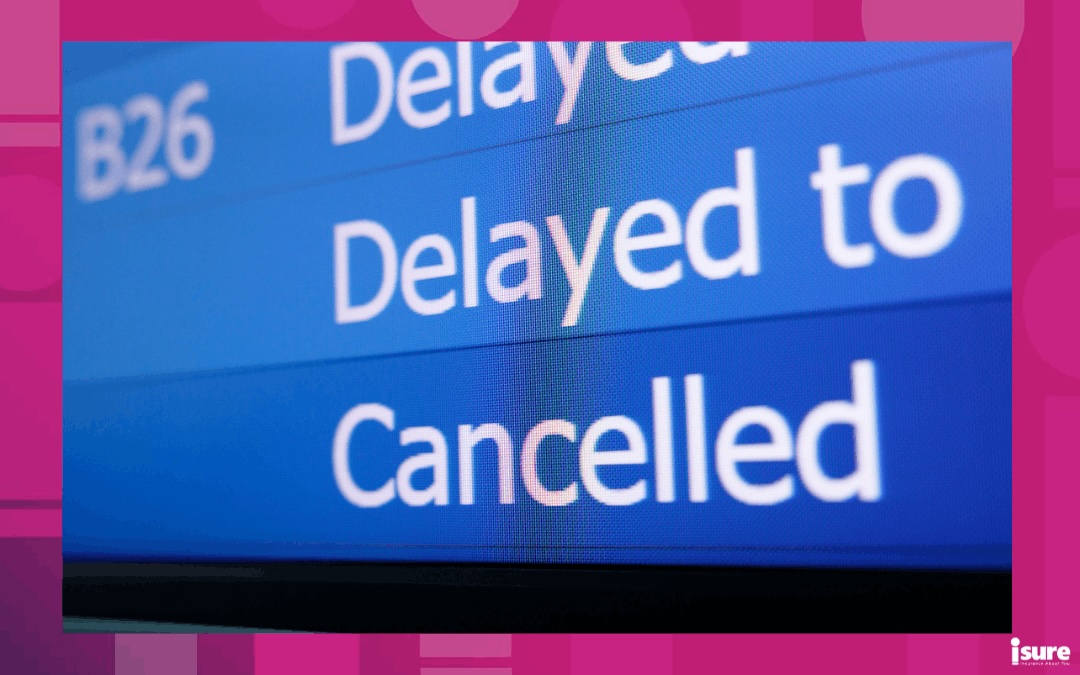
Recently, Canadian travellers have been experiencing major flight delays, cancellations, and even flight suspensions. Across the board, airlines are removing flights from their schedules, seasonally dependable routes are not returning, and “temporary” flight suspensions are lasting anywhere from months to years. If you are planning on travelling soon, travel insurance is more important than ever. Here is a breakdown of the recent flight cancellations in Canada, what changes airlines have made, what they mean for Canadian flyers, and why now may be a good time to consider travel insurance.
What has Changed Since the Flight Cancellations in Canada in 2026?
Many airlines and airports have issued suspensions and cancellations on various routes to different destinations. Here is a list of some of the impacted changes travellers should expect as of April 2026:
Domestic:
- Flights between Fort McMurray, Alberta, and Vancouver are suspended
- Flights from Yellowknife to Toronto are suspended
- Flights from Montreal and Toronto to JFK in New York are suspended from June 1st to October 25th
- Flights from Salt Lake City to Toronto are suspended until 2027
- Flights from Guadalajara to Montreal are suspended
- Airlines will cut flight capacity by 6% by June.
- Consolidating less popular flight routes
- Shortening travel periods for seasonal services (various destinations)
- Price increase for passengers paying for a checked bag (by $10 at the airport, $5 advanced booking)
- Reducing summer flight capacities by suspending 6% of flights from May to October
- Extending the suspension of flights to Cuba
- Reducing the frequency of flights on some routes to Europe and the Caribbean
Cross-Border/International:
- Cuts to summer flights
- 6 domestic routes in the US
- One international route between Boston and Nassau
- Cancelling three percentage points of off-peak flying throughout the summer months
- Expected to go back to regular operations in the fall
Protect Yourself While You're Travelling
Get a Quote with SecuriGlobe


Why are Airlines Deciding to Cancel Flights in Canada?
Removal of Routes, rather than flights
To start, airlines have cut routes they no longer consider economically feasible, usually because demand has declined. This trend extends beyond Canada and also affects Europe and the United States. Rather than cancelling individual flights, airlines are removing entire routes from their schedules for extended periods. For example, both West Jet and Air Transat will cut their flight capacity by 6% in the coming months.
While the percentages of these removals seem small, they can translate to major changes for passengers when there are flight cancellations in Canada, including:
- Fewer departure times
- Less access to direct flights
- Flight cancellations offer less flexibility for rebooking.
Rising Prices of Jet Fuel
Next, jet fuel is often the airline’s single largest operating expense. When the price of fuel rises sharply, as it is now, an airline’s profit margins take a massive hit. This is especially true for the less-travelled or less-profitable routes. Moreover, when fuel prices spike, they stay elevated for an extended period. Therefore, it is difficult for them to maintain their operations without changing their active flight routes, such as those on smaller planes or those considered seasonal.
What Happens to a Passenger When an Airline Cancels a Route?
- Rebooking onto different routes on another day
- Connections to replace the direct flight
- A refund
Usually, passengers are notified by email or via their booking platform before their departure. Passengers may need to significantly adjust their travel plans to accommodate earlier or later departure and arrival times, longer layovers, and changes to travel dates. This is particularly disruptive because, with less flexibility for rescheduling, there may be no comparable direct flights, fewer or no same-day alternatives, and limited seating on remaining flights.
How can travel insurance help when your flight is cancelled?
While travel insurance does not prevent flight or route cancellations, it can help to cover any costs that the airline typically does not. In the case of a suspended route or cancelled flight, travel insurance can help to bring peace of mind to travellers when plans fall through. Here are some examples of ways that travel insurance can help cushion the blow:
Trip cancellation coverage: Airlines refund only the airfare and do not cover any other trip costs. This coverage helps reimburse prepaid, non-refundable expenses before departure.
Trip interruption coverage: This coverage applies when travellers have already reached their destination and the airline cancels an onward or return flight. It can help to cover any expenses needed at your destination, such as additional meals, transportation, accommodation, and new flight bookings.
Repeated Questions about Recent Flight Cancellations in Canada
How much notice do airlines usually give when a route is cancelled?
Airlines do not have a mandatory fixed timeline for providing notice when they cancel a route. Notice can vary from several days to several months, depending on when the airline finalizes its schedule.
Can an airline cancel a route even if tickets have already been sold?
Yes. Even after customers purchase tickets for those flights, an airline can still cancel or suspend a route. Because travellers often book tickets months in advance, airlines may not be able to accommodate changes, as they do not operate on a fixed schedule.
Will travel insurance cover me if I accept a refund instead of rebooking a flight?
It depends. The reason for the flight cancellation, the terms of your policy, and the date you purchased coverage determine whether your coverage applies.
Be sure to review the specifics of your policy and speak with your insurance provider if you have any questions.
When is the best time to buy travel insurance?
The best time to buy travel insurance is as soon as you finish booking your trip. This is because your coverage applies if the airline cancels your flight or suspends the route well in advance of your departure.
Canada’s Flight Cancellations Takeaway
With travellers in Canada facing more flight cancellations in the foreseeable future, flyers will have to be far more diligent. The best way to combat these uncertainties is by remaining informed and prepared if you plan to travel. Therefore, in these cases, travel insurance not only helps you prepare for the worst but also offers peace of mind.

Your phone is your best travel companion for any trip. Read more

While doing your research is important, we’re going to help Read more
If you have some big, expensive getaways in the works Read more