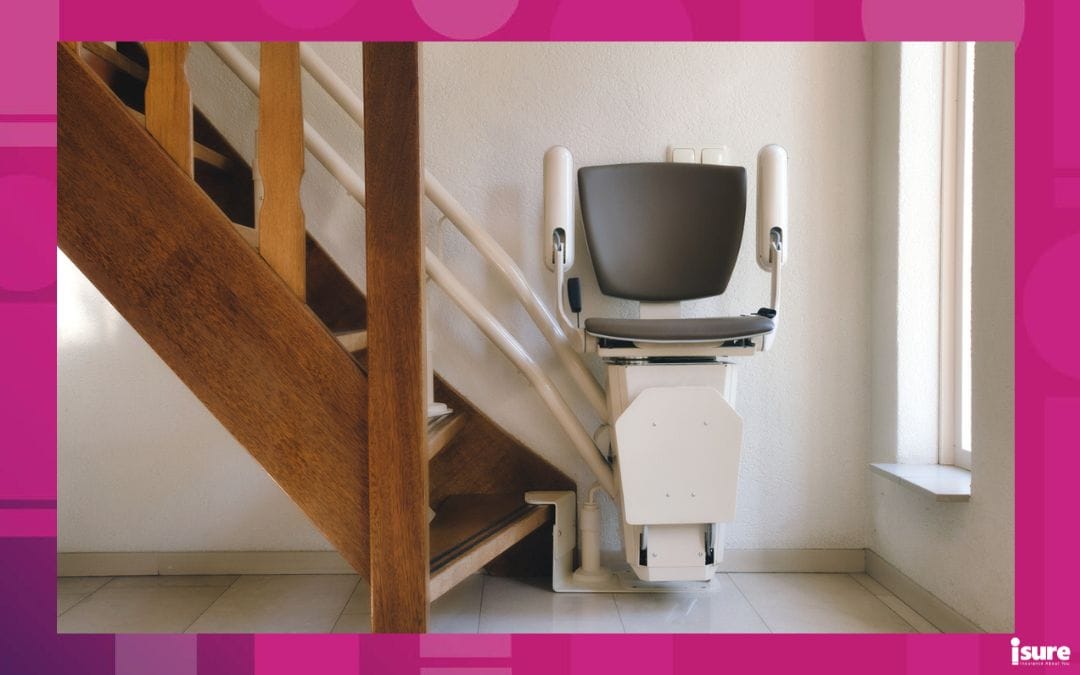
Do you or a loved one live with a disability? Does the thought of having to modify your home seem like a burden? If so, the House Accessibility Tax Credit (HATC) is worth considering. This tax credit aims to reduce the financial burden associated with home renovations that improve the safety, functionality, and mobility of homeowners with disabilities. Understanding the HATC eligibility requirements is crucial for homeowners seeking to take advantage of it.
What is the Home Accessibility Tax Credit?
As mentioned above, the Home Accessibility Tax Credit (HATC) is a non-refundable tax credit available to eligible Canadians. More specifically, Canadians who aim to make their homes more accessible for seniors or people eligible for a Disability Tax Credit. The primary focus of the credit is to assist people in covering the cost of permanent home modifications designed to improve accessibility and safety.
The HATC provides financial assistance to those eligible by allowing them to claim some of the expenses to renovate their home. These changes generally need to improve the overall quality of life for seniors and those with disabilities. The Home Accessibility Tax Credit can include a wide variety of renovations, including the installation of ramps, grab bars, walk-in tubs, and other accessibility improvements.
How Do I Know if I’m Eligible?
So, how do you know if you’re eligible for the Home Accessibility Tax Credit? Like other credits, specific criteria must be met by the individual taxpayers. To qualify, a person must be at least 65 years of age. Alternatively, they must qualify for the Disability Tax Credit from the government. Let’s take a look at the complete list of requirements when it comes to HATC eligibility:
- The Individual must be a homeowner or have a family member living in their home. The homeowner or family member must be either a senior (aged 65 or older) or be eligible for the Disability Tax Credit from the Canada Revenue Agency.
- The renovations done to the home must be permanent. On top of this, they must directly improve the overall accessibility of the house or help reduce the risk of harm within the home.
- The renovations must be completed within the tax year the credit is being claimed.
- Proper documentation must be kept to keep track of expenses. This can include invoices and receipts.
Additionally, a credit may be claimed by a spouse or common-law partner who supports the qualifying individual. Alternatively, it can be claimed by a caregiver who provides in-home support to the individual who is qualifying.
Can any home qualify for this credit?
The home, more primary residence of the person qualifying for the Home Accessibility Tax Credit, is known as an eligible dwelling. This dwelling can be a single-unit residence, such as a house, condo, or mobile home. It can also be part of a multi-unit residence, like an apartment or townhouse. It is important to note that to qualify for HATC, the dwelling must be owned by the individual, their spouse or common-law partner, or a caregiver who supports the individual.
What types of renovations qualify for the Home Accessibility Tax Credit?
When it comes to making a home more accessible for seniors and those with disabilities, there are a variety of renovations to consider. Many of these can be outside of people’s budgets, this is where the Home Accessibility Tax Credit comes in handy. Understanding which costs are eligible for HATC is essential to qualifying for the credit. Let’s take a look at a few of the most common types of renovations:
- Grab Bars: Installing grab bars in areas such as the bathroom can provide seniors and those with disabilities with support for performing daily tasks such as showering or reaching high shelves.
- Accessible Showers: Walk-in or roll-in showers with benches can significantly improve the quality of life of seniors and those with disabilities. On top of this, it can dramatically improve the safety and ease of showering for those with limited mobility.
- Wheelchair Ramps: Wheelchair ramps can provide easier and safer access to those in wheelchairs or using walkers.
- Wheelchair Lifts: Similar to ramps, wheelchair lifts can provide people with wheelchairs or walkers with more effortless mobility when it comes to going up and down stairs. These are necessary for those living in homes with multiple floors but limited mobility.
It is essential to remember that expenses for the labour, materials, and cost of building plans and permits can be included in any Home Accessibility Tax Credit claims. Only renovations crucial to the nature and integrity of the dwelling can apply for HATC. In addition, seniors may be able to claim some expenses as medical expenses in many cases. This will provide them with even further financial assistance.
What is the credit amount with HATC?
The Home Accessibility Tax Credit allows eligible individuals to claim up to $10,000 in yearly renovation expenses. This will result in a maximum tax credit of $1,500, or 15% of the eligible costs.
Calculating the credit amount you will get is essential to maximizing your tax credit. For example, if you spend $8,000 on eligible home accessibility improvements during the tax year, your credit would be calculated by multiplying the amount by 15%. This means you would receive $1,200 as a total credit amount.
What is the application process for the HATC?
The process of applying for the Home Accessibility Tax Credit is relatively straightforward. Let’s examine the process and requirements for claiming this tax credit.
- Confirm your eligibility: Make sure the applicant is eligible before applying. This means they must be a senior (65 years or older) or an individual with a disability. Alternatively, a family member living with such an individual.
- Determine Your Expenses: Review the expenses incurred to identify which qualify for HATC. This can include permanent renovations or alterations to improve accessibility.
- Calculate Your Credit: Calculate the tax credit based on 15% of the total expenses, up to $10,000 per tax year.
- Submit Your Claim: Report the expenses on the applicant’s income tax return.
- Keep Required Documentation: All original receipts and supporting documents are essential. This is in case the CRA requests it for review. Make sure the receipts indicate the GST/HST paid. On top of this, keep documents such as plans, invoices, permits, or contracts. These will provide evidence of the expenses associated with the accessibility improvements.
Home Accessibility Tax Credit: Conclusion
The Home Accessibility Tax Credit is a fantastic financial incentive for seniors and those with disabilities. The HATC significantly reduces the economic burden associated with home repairs to assist mobility and health needs. Remember, another incredible way to improve the health of your home and give peace of mind is by having the correct home insurance. If you are in the market, don’t hesitate to contact us at isure or request a quote today!

Transitioning to an assisted living facility is a major life Read more
Looking to save on your home insurance premiums in Ontario? Read more
The City of Toronto’s Home Energy Loan Program (HELP) offers Read more