
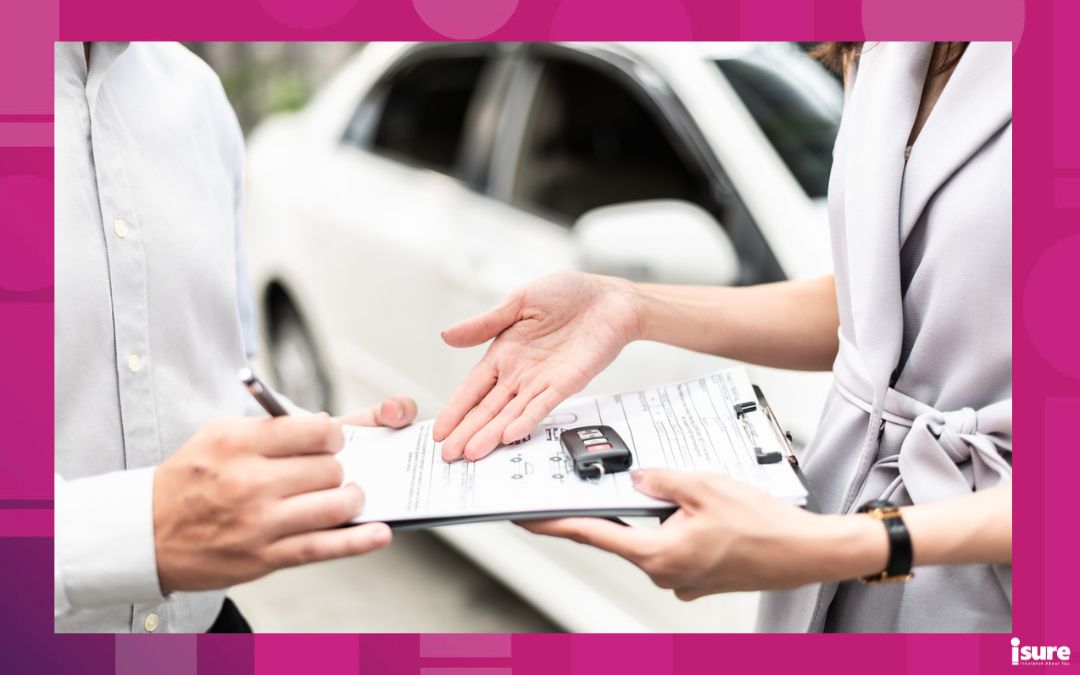
Car lease takeovers have become increasingly popular in Ontario. While precise numbers for Ontario aren’t publicly available, leasing accounts for approximately 20% of new car sales in Canada. Among those who list their leases for takeover, approximately one-third succeed. That suggests lease takeovers are a noticeable but relatively small segment of all lease terminations. Takeovers can provide drivers with an opportunity to step into someone else’s existing lease. This often has lower upfront costs and a shorter commitment than starting from scratch. But while lease takeovers can be a smart move, they also come with a few strings attached. Here’s what you need to know before signing on the dotted line.
What is a Vehicle Lease?
A vehicle lease is a rental agreement for a specific period, with the option to purchase the car at the end of the term. Conditions that typically go along with this type of arrangement are:
- You are paying to use the vehicle rather than buying the car.
- It is a contract between yourself and a leasing agency, with certain conditions laid out that both parties agree to.
- At the end of the lease, you have the option to either buy out the vehicle at the cost set out in the agreement or hand the vehicle back to the leasing agency.
- If you decide that you want to get out of the lease early, you may have the option to enter into a lease takeover.
What is a Lease Takeover?
A lease takeover (also called a lease transfer) is when you assume the remaining payments and responsibilities of someone else’s car lease. As the original owner, you may decide to terminate the contract early due to a personal or financial situation. A lease takeover can also be more cost-effective for you than returning a vehicle while still under the agreement. Should you decide to take over the remainder of someone else’s lease, a lease takeover or transfer/swap can help address a temporary car need you have without being committed to a typical two- to four-year lease or buying a new car. You assume the lease before it ends. In doing so, you agree to the vehicle and the current terms and conditions of the contract.
Before considering a lease takeover, it is essential to understand how the process works.
In Ontario, the leasing company must approve the transfer, which usually means a credit check and some paperwork. There’s also typically a transfer fee, which can range from a few hundred dollars to several thousand dollars, depending on the brand and finance company.
How a Lease Takeover Works
If you decide to find someone to take over your car lease, it is not simply a matter of finding a taker. Once you find someone to take over the lease, they will need approval from the finance company that holds the lease. A credit check is mandatory to ensure that they can keep up with the payments and maintain a good credit history. It’s essential to vet the potential candidate carefully. If they get approval, the new owner will need to set up new license plates.
Terms of a Lease Contract
If you decide that you want to purchase a lease takeover, you should become familiar with the terms of the lease:
- Residual value: This is the vehicle’s value at the end of the term. You may buy out the car at this price or hand the vehicle back to the dealer.
- Market value: If the vehicle is sold privately, it may be higher or lower than the residual value.
- Terms: This is the length of the lease, and you must agree to the remainder of the lease terms.
- Kilometre limits: The original lease agreement will set a limit of kilometres allowed, and going over the limit will require you to pay the additional costs listed in terms of the lease.
- Transfer fee: There may be a fee for transferring the lease from the previous owner to you.
- Wear and tear: If there is deterioration or damage beyond what the leasing company deems as ‘normal during the term of the lease’, the new owner will be required to pay for the repairs.
Benefits of a Lease Takeover
There are many benefits to taking over a lease:
- Lower upfront costs: No big down payment like with a brand-new lease.
- Shorter commitment: You’re only responsible for the remaining term, which could be a year or less.
- Incentives: Sometimes the person leaving the lease will throw in cash or cover the transfer fee to make the deal more attractive.
- Newer cars: You can get into a relatively new vehicle without committing to a full three- or four-year lease.
Potential Risks of a Lease Takeover
According to ratelab.ca, there are some risks with a lease takeover:
- You inherit the monthly payment. There is no renegotiating the monthly payment and lease terms of the original owner. If they are a poor negotiator, have no down payment, or have bad credit, it may result in a higher cost of financing for you.
- Mileage can be minimal. If the limits left on the vehicle are exceeded, you can face excess mileage charges from 10 to 25 cents per km or more.
Important: You might want to order a vehicle history report. A report can tell you if the car was in a major accident or has any past damage. Additionally, please ensure that you have a vehicle inspection conducted by a reliable mechanic before signing.
Other Lease Takeover Risks
- Wear and tear. You are responsible for the car’s condition after you take over the lease. If the vehicle has a lot of dents, broken parts, burns or stains, worn tires or other damage, you may be hit with a charge at the end of the lease for excessive wear and tear.
- Maintenance. Wear and tear fees may also apply if the original lessee didn’t get the car serviced according to the manufacturer’s suggested schedule. You can face charges for failing to maintain the vehicle properly or for the cost of completing overdue services. Ask the original lessee for service records to confirm the car underwent required maintenance.
- You might pay even more fees. Some hidden costs that you may have to pay when you take over a lease are: Lease Transfer Fees, Credit Application Fees, and Disposition Fees.
- Insurance. You’ll need your own auto insurance policy, and the leasing company may require specific coverage.
- End-of-lease obligations. You’re the one returning the vehicle, which means you’re responsible for any excess wear or mileage charges, as well as deciding if you want to buy out the car.
Lease Takeovers: Conclusion
If you’re planning to get out of your vehicle lease early, be sure to vet the potential buyer before they take over the lease. Also, remember to carefully read the terms of your lease. If you are considering a lease takeover, remember to do your homework. Ensure the car is well-maintained and take the time to understand any potential fees or taxes. This may include those you’ll need to pay at the time of the lease takeover or at the end of the lease. If you still have questions or require a new auto insurance policy, contact one of our isure representatives today.
Drive with Confidence
Request your free car insurance quote now and get the coverage you deserve.


Car rentals are sometimes a necessary expense that arises. What Read more

Whether you choose to lease or finance, each has its Read more

Let's talk car depreciation value. Protect the value of your Read more