
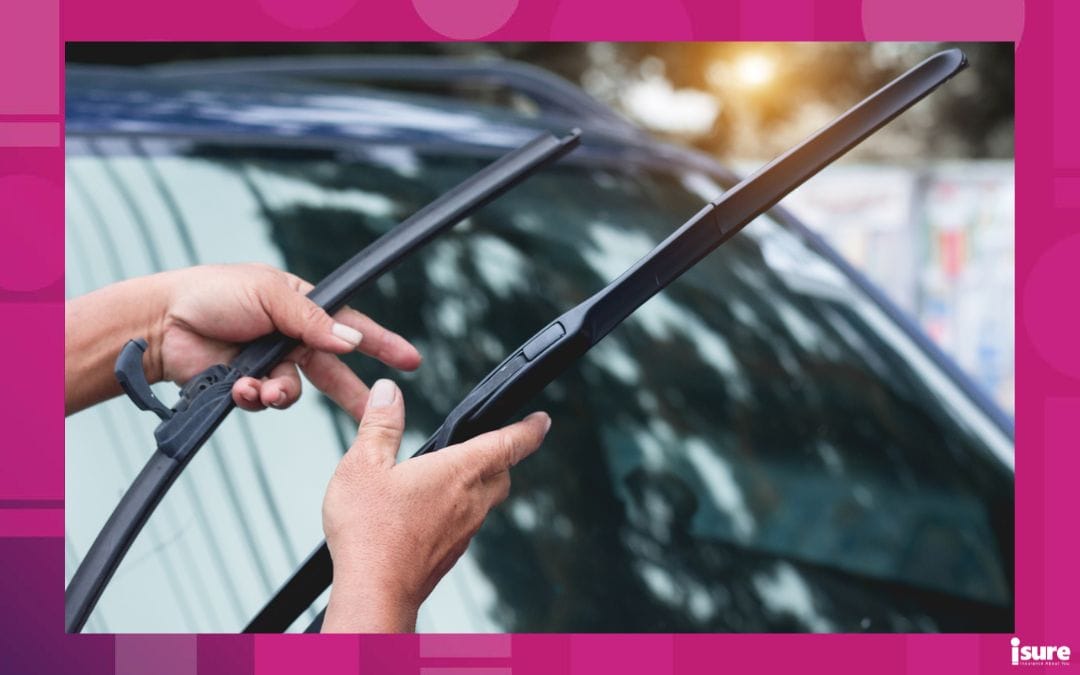
When you think about vehicle maintenance, the first thing that comes to mind is your vehicle’s engine or battery. It’s not often that people think about maintaining the smaller components of their car, which can range. Each element of your vehicle plays a crucial role, from headlights to your windshield wipers. Although they may not seem like the most critical aspect of a car, windshield wipers are essential when driving in rain or snow. Here is our guide on how to get the most out of your annual investment.
Why Do Windshield Wipers Matter?
Your windshield wipers are your first line of defense against poor visibility. Whether it’s rain, sleet, or snow, clear visibility can mean the difference between a safe drive and a potential accident. According to Transport Canada, poor visibility is one of the leading factors contributing to winter driving collisions. That’s why maintaining your wipers isn’t just about convenience — it’s about safety.
Different Types of Windshield Wipers
To properly understand how to get the most out of your windshield wipers, we must first learn the different types. Many drivers, even the most experienced, are unaware of them. By knowing what type you have and what your next purchase will be, you can prolong the lifespan of your windshield wipers. They come in a variety of sizes and styles, and generally, blades range in cost. Let’s take a look at the most common types of wipers:
Conventional Wipers
These are the blades that generally come with a vehicle after it has been purchased and are typically made in the factory along with your car. Usually, they are attached to a metal frame and apply pressure to your windshield using springs.
Beam Blades
These types of windshield wipers were made in the early 2000s. What differentiates these from conventional wipers is that they are not attached to a metal frame. This makes them much more flexible, allowing better contact with the curve of your windshield. This results in a better clean!
Hybrid Blades
This is a mix of both conventional and beam blades. Overall, these blades are more aerodynamic and have the same all-weather cleanness as a beam blade.
Generally, the type of windshield wiper you choose is a personal preference, though the benefits of hybrid or beam blades can prove helpful if you live in areas with lots of snow or ice.
Seasonal Windshield Wiper Maintenance Checklist
Spring/Summer
- Remove pollen and bug residue regularly
- Check for cracks from UV exposure
- Replace washer fluid with a bug-removing formula
Fall/Winter
When the temperature drops, you end up using your wipers much more often. Rain, sleet, snow, and grime are more common in the winter, so ensuring your wipers are in working order is crucial. Before the cold temperatures arrive, give your wipers a quick inspection to ensure they are not damaged.
- Switch to winter-grade washer fluid
- Inspect blades for ice damage
- Lift blades during snowstorms or freezing rain
- Keep an ice scraper handy — never use wipers to clear heavy frost
If you notice any of the following, it may be time to purchase new ones:
- Squeaking
- Smearing
- Streaking
- Visible Damage
How to Care for Your Wipers
Caring for your wipers is crucial to getting the most out of them. Generally, it is recommended to change your windshield wipers every six months. This can be done with the seasons or in response to use and exposure! If not correctly cared for, your windshield wipers may last a much shorter period. Let’s explore how to maximize the effectiveness of our windshield wipers.
1. Regularly Clean Your Wipers
Giving your windshield wipers and windshield a thorough cleaning is a great way to extend the lifespan of your windshield wipers. Your wipers work hard to clear dirt and debris from your windshield. Over time, this can freeze, stick, and build up. When you clean your wipers regularly, they will perform better and last longer.
To clean your wipers, start by lifting them and cleaning your windshield. Give your wipers a quick wipe-down with soapy water. Afterwards, please give them a rinse and lay them flat to dry!
2. Regularly Top Up on Washer Fluid
In dry conditions, your washer fluid helps lubricate your windscreen to prevent damage due to friction. If you are behind the wheel and find you are low on washer fluid, make sure you top up. When topping up washer fluid, look for one that includes de-icing agents in the winter or bug-remover additives in the summer. Avoid using plain water — it can freeze in the lines and damage the washer system.
3. Don’t Forget Rear or Headlight Wipers
If your vehicle has rear wipers or headlight wipers, don’t neglect them! They face the same wear and tear as your front ones and are just as important for maintaining clear visibility.
4. If Possible, Park Your Car in the Shade
This tip may sound odd, but parking your car in a shaded area can help the longevity of your windshield wipers. This is because the sun and heat can cause the rubber parts of your wipers to deteriorate more quickly. If you’re unable to park in the shade, ensure your wipers don’t become hardened. If you find the rubber is drying out, use a mixture of water and vinegar to soften it up.
5. Lift your Windshield Wipers During Cold Temperatures
We’ve all been there: you head out to start the car on a cold winter morning, and your windshield wipers are frozen! Not only is this a hassle, but this can be problematic since using them right away can damage them. In the evenings, try lifting your wipers and placing a cloth between the wiper and the windshield. This will prevent them from freezing overnight. It is also essential to ensure that you always scrape and de-ice your windshield before using your wipers to prevent damage to them.
6. Use Quality Windshield Wipers
Another great way to make sure your wipers last is to choose a manufacturer that is trusted. Windshield wipers aren’t generally that pricey, so you mustn’t cut corners. This will also ensure that they last as long as possible! Consider brands like Michelin to purchase high-quality windshield wipers.
7. Never Use Your Windshield Wipers on a Dry Windshield
Using your wipers while your windshield is dry is never a good idea. When there is no windshield wiper fluid or water involved, friction can develop. This can result in unnecessary wear and tear. It is essential to use your wipers only when necessary. This way, they will remain effective for as long as possible!
Common Mistakes to Avoid
- Don’t use hot water to de-ice frozen wipers — it can crack your windshield.
- Avoid pulling stuck blades forcefully from ice — use de-icer spray instead.
- Don’t ignore skipping or chattering wipers — it’s a sign of uneven pressure or wear.
At the end of the day, taking proper care of your windshield wipers is essential to ensuring they remain in good condition. In addition to keeping your car in top shape, it is necessary to ensure you are always protected with the proper car insurance. Contact us by phone or request a quote below!
Drive with Confidence
Request your free car insurance quote now and get the coverage you deserve.



The number of driver-assistance safety features available to car buyers Read more

Our ultimate winter safety kit will assist you in riding Read more
Whether you drive or not, everyone knows how crucial it Read more