The best way to fully understand your home’s coverage is to understand its value entirely. The type of value your home has is crucial to ensure it is adequately insured. The two main terms that are often discussed are your home’s market value and its rebuild or replacement value. However, what people may not know is that these, while similar, have different meanings for your home and the coverage it needs. Here is a breakdown of the difference between the market value and rebuild value of your home.
Market Value
What is the Market Value of a Home?
The market value of your home refers to how much your home is worth in the current market. Market value takes into consideration every aspect of the home, its layout, land, and furnishings, and determines a fair price for the whole package. Your home’s market value is typically based on what it could hypothetically sell for at a given time. Moreover, your home’s market value is the amount a buyer is willing to pay for your home in its current condition.
What is Your Home Market Value Used For?
Selling/Buying Properties
The market value of a home is used primarily when someone is looking to either buy or sell a property. Sellers use market value to set a fair listing price, while buyers use it to decide what to offer for the home. Moreover, a home’s market value helps ensure that a mortgage is not more than the property’s worth, and you are paying/being paid a reasonable and accurate price.
Property Taxes/Appraisals
When your home’s market value is estimated, it also sets your property tax rate and the assessed value of your home. The municipal government authorities determine the assessed value of your home for tax purposes. This estimated value is then used to reflect the market value of your home. Additionally, banks and lenders will use market value to determine how much they would be willing to loan you for a mortgage or refinance. Appraisers estimate the value based on similar recent sales and the condition of your home.
Refinancing a Mortgage
When you refinance your mortgage, your lender needs to know the current market value of your home. They will then use this to determine how much equity you have (the difference between the home’s current market value and the amount you owe), and how much you can borrow. A higher value means more equity and more options for refinancing.
How is Home Market Value Determined?
Various factors determine your home’s market value. Overall, your property’s value is determined by analyzing aspects of your home, including its location, size, and condition. The best way to assess your home’s value is by working with a qualified appraiser or real estate agent. They will be able to determine your home’s accurate market value. Here are some other factors that go into determining your home’s market value:
- Neighbourhood
- Size of lot
- Recent sales of homes of a similar calibre
- Local real estate trends
- Market conditions
- Land value
Rebuild Value or Replacement Value
What is Rebuild or Replacement Value?
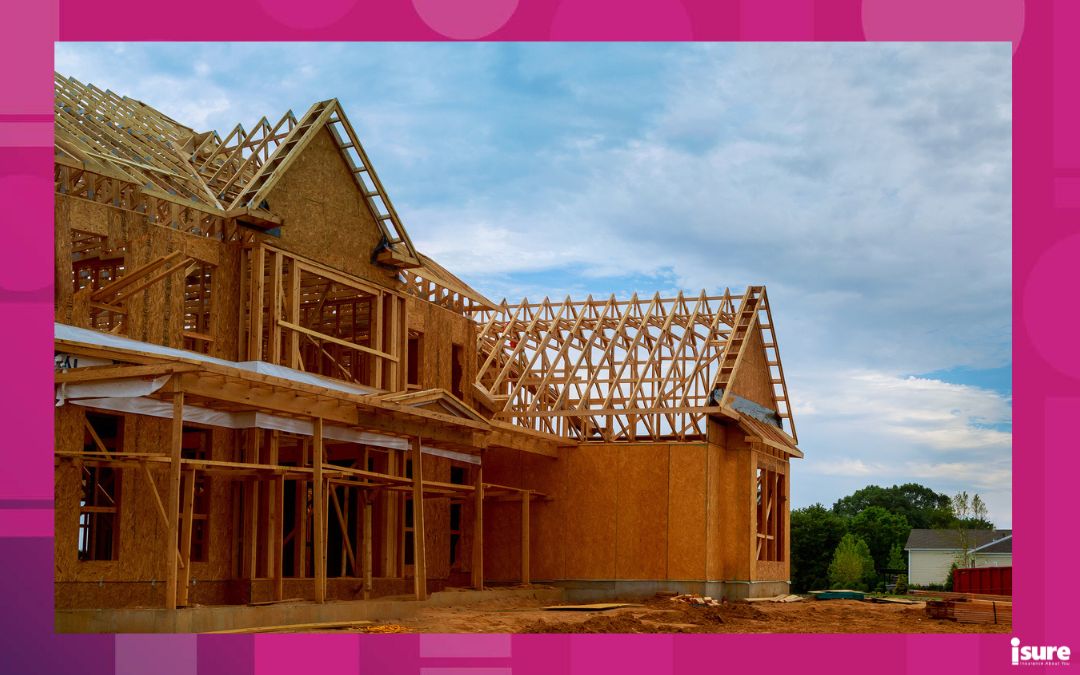
The rebuild or replacement value of your home refers to the amount it would cost to tear down the existing structure and rebuild your house completely. Rather than focusing on what someone is willing to pay for your home, restore value concentrates primarily on the cost to reconstruct your home as it currently stands.
What is Home Rebuild Value Used For?
Home Insurance Coverage Amount
Firstly, your home’s rebuild value is used to determine the coverage your home needs. Insurers use the rebuild value of your home to determine the insured value, also referred to as dwelling coverage. Moreover, it shows the maximum your insurance provider would be willing to pay to rebuild your home.
Avoid Being Underinsured
If your policy covers less than the full rebuild value of your home, you may not receive sufficient funds to rebuild your home in the event of an accident. Underinsuring your home can lead to significant financial strains if a claim is made and the coverage is insufficient to cover the necessary repairs/replacements. You’ll need to be adequately covered in case of a total loss of your home.
Impact on Premium Calculation
When a home has a higher rebuild value, it typically results in a higher insurance premium. This impact is because the more your home costs to rebuild, the more your insurance provider would need to pay if it were destroyed.
How Do You Determine the Rebuild Value of Your Home?
The first step in determining your home’s rebuild value is to keep a detailed list of the belongings in your home. Ensure your records are always up-to-date and accurate. Next, work with your insurance representative to get a precise evaluation of your home. They can offer insights into appropriate coverage options for your home. Here are some factors that go into a home’s rebuild value:
- Construction costs (material, labour, etc.)
- Building style
- Age of the home
- Type/quality of finishes
- Square footage of the house
- House features/amenities
- Permits/codes for the building only
Conclusion
Understanding the difference between the market value and the rebuild value of your home is crucial not only for the process of buying/selling your home, but also if your home is destroyed. Ensure your home is adequately protected with the right home insurance coverage.
Safeguard Your Home
Get a free home insurance quote today and protect what matters most.


With all the instability and fluctuations in the Ontario housing Read more

Ontario has some of the most expensive home insurance in Read more
From harsh weather to home robberies, Ontario has a unique Read more