

Every day, natural gas powers millions of homes in Ontario. From cooking to heating to hot water, it powers the warmth, comfort, and daily routines of many. However, like any energy source, it is essential to ensure that you practice safe handling techniques. Natural gas, in particular, requires utmost vigilance and proper maintenance to avoid carbon monoxide leaks and potentially life-threatening incidents. Let’s take a look at some of the best safety measures to take to keep you and your family safe when it comes to natural gas.
Natural Gas Safety Tips
Natural gas is a clean, efficient fuel source for all types of homes. It is utilized in various settings as a safe and effective energy source. Some examples of household appliances that use natural gas include:
- Gas-Powered Fireplaces
- Water Heaters
- Clothes Dryers
- Kitchen Ranges and Stoves
- Furnaces
- Space Heaters
Across the province, utilities like Enbridge Gas and regulatory bodies such as the Technical Standards and Safety Authority (TSSA) and the Canadian Gas Association (CGA) emphasize the importance of avoiding leaks and detecting carbon monoxide leaks. Let’s take a look at some of the best tips to help you and your family stay safe around natural gas regularly.
1. Regularly Maintain Natural Gas Appliances
All natural gas appliances, such as furnaces, should be regularly serviced by a licensed professional. Natural gas contractors should be contacted to maintain and keep them operating efficiently. Your natural gas provider in your province can provide a list of natural gas contractors.
2. If You Smell Rotten Eggs, Evacuate and Call Help Immediately
Did you know that natural gas is odourless? The smell of rotten eggs is added in many instances to make any leaks detectable. If you smell rotten eggs or hear the sound of escaping gas somewhere in your home, don’t panic! Leave promptly and be sure not to smoke, use your cellphone or landline, or operate any electrical switches. From a safe distance, call either 911 or Enbridge’s 24/7 emergency line at 1-866-763-5427.
Some other gas leak signs to make note of can be physical symptoms, such as:
- Headaches
- Dizziness or fatigue
- Nausea and vomiting
- Breathing difficulties
- Throat irritation
- Chest pain
- Tinnitus (ringing in the ear)
- Flu-like symptoms
3. Install Carbon Monoxide Detectors on Every Level of Your Home
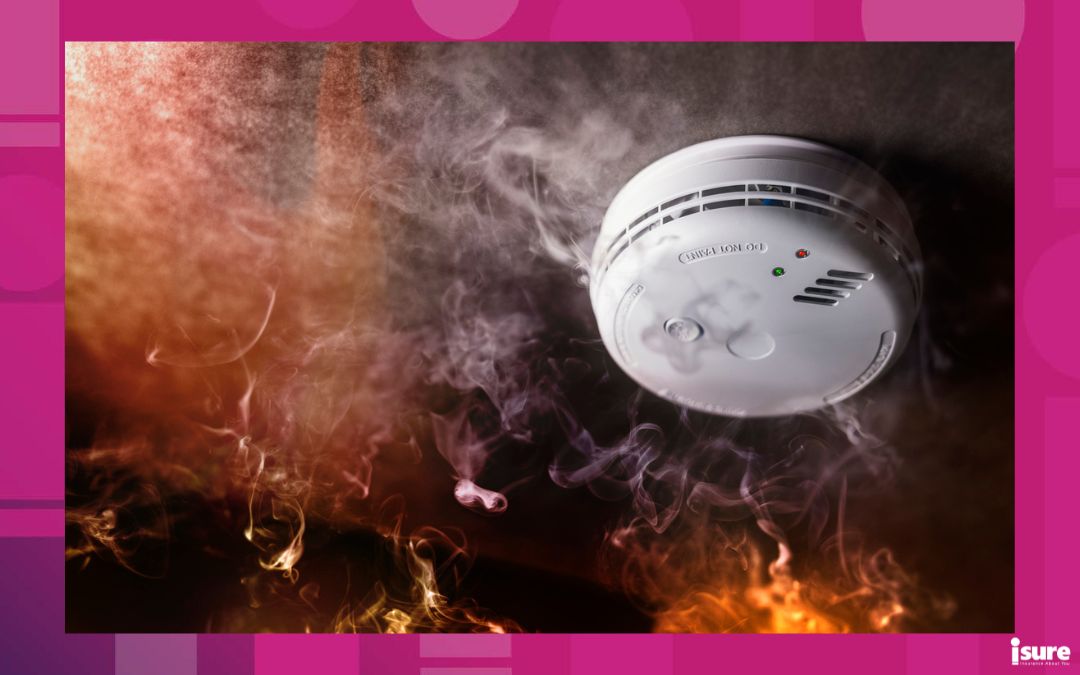
As mentioned above, it is common for natural gas to have a rotten egg smell added to it so that leaks can be detected. A carbon monoxide leak itself is odourless, invisible, and can seriously harm you if it builds up indoors. This is where carbon monoxide detectors come into play. These devices resemble smoke alarms and should be installed near your bedroom to alert you if carbon monoxide levels reach hazardous levels within your home. Please ensure that you regularly replace the batteries in your detectors and evacuate promptly if you hear them activate.
4. Locate your Natural Gas Shut-Off Valve
In the event of an emergency, it is crucial to know the location of your home’s primary natural gas shut-off valve. Additionally, it is necessary to understand how to use it properly. In many cases, a screwdriver or wrench may be required to turn it off and on, so make sure to store one nearby in case of an emergency.
5. Keep Your Natural Gas Fireplace Clean and Free of Obstructions
A natural gas fireplace can be a cozy and comfortable way to heat a room. However, it is important to keep children, pets, and any combustibles away from the fireplace or hot surfaces. Safety screens and fire-resistant guards can be extremely helpful in preventing accidents effectively.
A natural gas fireplace should be inspected at least once a year by a qualified professional. This ensures the safe and efficient operation of your fireplace, detecting any potential issues before they become a dangerous problem.
6. Perform Routine Furnace Inspections
High-efficiency, forced-air gas furnaces are the most popular choice for home heating in Ontario. They are an excellent way of heating your home. However, it is essential to ensure yours runs safely and smoothly. This can be done by scheduling a yearly routine furnace inspection with a TSSA-registered HVAC technician.
Additionally, ensure that you regularly change or clean your filter at least every three months. A dirty filter will cause your furnace to work harder and increase its natural gas consumption.
7. Perform Routine Boiler Inspections
Similar to your furnace, it is essential to have your boiler regularly inspected to ensure it is running safely. This can be done by scheduling an annual service visit from a TSSA-registered HVAC technician. Additionally, please inspect your vents, chimney, and exhaust for any blockages or discoloration. It is also important to regularly inspect your draft hood and any valves within your home.
8. Keep Your Gas Meter Clear of Obstructions
Ensuring that your gas meter is accessible and that your appliance vents are clear throughout the year is crucial for your safety and well-being.
During the warmer months, please make sure the area is clear of plants and shrubbery to prevent service interruptions and appliance malfunctions. In the colder months, gently use a broom or soft brush to clear off any snow or ice that can build up and cover your meter.
Heating Your Home Safely With Natural Gas
Every winter, Ontarians rely on natural gas to keep their homes warm and safe. Depending on the method of heating your home you choose, there are some steps you should take to ensure you do so safely and correctly. Let’s take a look at some of the most common methods of heating your home!
Furnace Safety
The most common choice for heating a home in Ontario is a high-efficiency, forced-air gas furnace. Let’s take a look at how to keep yours running safely and smoothly!
- Give your furnace a checkup: Schedule a yearly furnace inspection with a TSSA-registered HVAC contractor.
- Replace your filter often: Change or clean your filter at least every three months. A dirty filter is not only a fire hazard, but it can also restrict airflow. This causes the furnace to work harder, increasing not only your natural gas use but also your monthly heating bill.
Boiler Safety
Another standard method of warming homes in Ontario is a boiler. Let’s look at some tips to keep your boiler running safely:
- Annual service visit: Keep your boiler in good condition with an annual visit from a TSSA-registered HVAC contractor.
- Venting system: Regularly inspect your vents, chimney, and exhaust. Look for signs of obstructions, blockages, damage, carbon buildup, and discoloration.
- Radiator: Regularly inspect your draft hood, vent termination, and access doors for discolouration or carbon buildup. This may indicate improper combustion or downdraft.
- Valves: regularly check your temperature and pressure relief valves. Ensure they are operating correctly and not seized.
Fireplace Safety
A natural gas fireplace is a great way to enjoy the warmth and coziness of a traditional fireplace without the hassle and hazards of a wood fire. Additionally, it may still function if your electricity service is interrupted. Let’s take a look at some fireplace maintenance tips:
- Maintain your fireplace: Keep it in good operating condition by having an annual check-up from a TSSA-registered HVAC contractor.
- Don’t put flammable materials near your fireplace.
- If the pilot light or flame extinguishes, follow the manufacturer’s instructions to relight it.
- Never use a fireplace with cracked glass. If your fireplace has a crack in the glass, have it inspected or replaced by a TSSA-registered HVAC contractor.
- Ensure your chimney is operating safely and without any blockages.
Water Heater Safety
Keeping your water heater working efficiently will not only keep your family safe but also save you money! Let’s look at some water heating safety tips:
- Schedule regular maintenance check-ups with a TSSA-registered HVAC contractor.
- Always read the manufacturer’s instructions for operating and maintenance procedures.
- Don’t let dust, lint, or dirt block the air intakes that are located at the bottom of your tank.
- Only use insulated blankets and pipe wraps that are approved for gas water heaters.
- Regularly check on your temperature and pressure relief valves to make sure they are operational and not seized up.
Cooking With Natural Gas
Every day, millions of Ontarians use a gas stove to cook their meals. But how often do you think this should be serviced? Can you use a burner without a fan? Stay safe when using your natural gas stove by following these tips:
- Always read your owner’s manual.
- Keep the burners on your stove and the interior of your oven clean.
- Schedule maintenance annually.
- Never use your stove or oven when the ignition switch isn’t working.
- Never use your stove without using your ventilation fan.
- Never use your stove or oven to heat an indoor space.
- Yellow burner flames could cause excessive carbon, which can lead to the production of carbon monoxide. Shut off your stove and call a TSSA-registered HVAC contractor for a gas stove inspection.
BBQ Safety Tips
Another popular method of cooking in the summer with natural gas is a BBQ! Let’s take a look at some tips on how to grill safely.
- Always refer to your BBQ’s instruction manual.
- Never leave your grill unattended.
- Make sure your BBQ remains clean and debris-free.
- Avoid alcohol or smoking while operating a BBQ.
- Remove BBQ grease build-up regularly.
- Never use your grill indoors.
- For a more in-depth look at BBQ safety tips, check out our article!
Natural Gas Safety: Conclusion
By taking the necessary precautions, you can help ensure your home remains a safe environment for you and your family. Remember, having the correct insurance is crucial for maintaining peace of mind in your home. If you are in the market for new insurance, don’t hesitate to contact us at isure or request a quote today!
Safeguard Your Home
Get a free home insurance quote today and protect what matters most.


Whether you're home alone or hosting a dinner party, keep Read more
House fires are one of the most devastating risks to Read more

Fire pits can enhance your outdoor living space, but they Read more