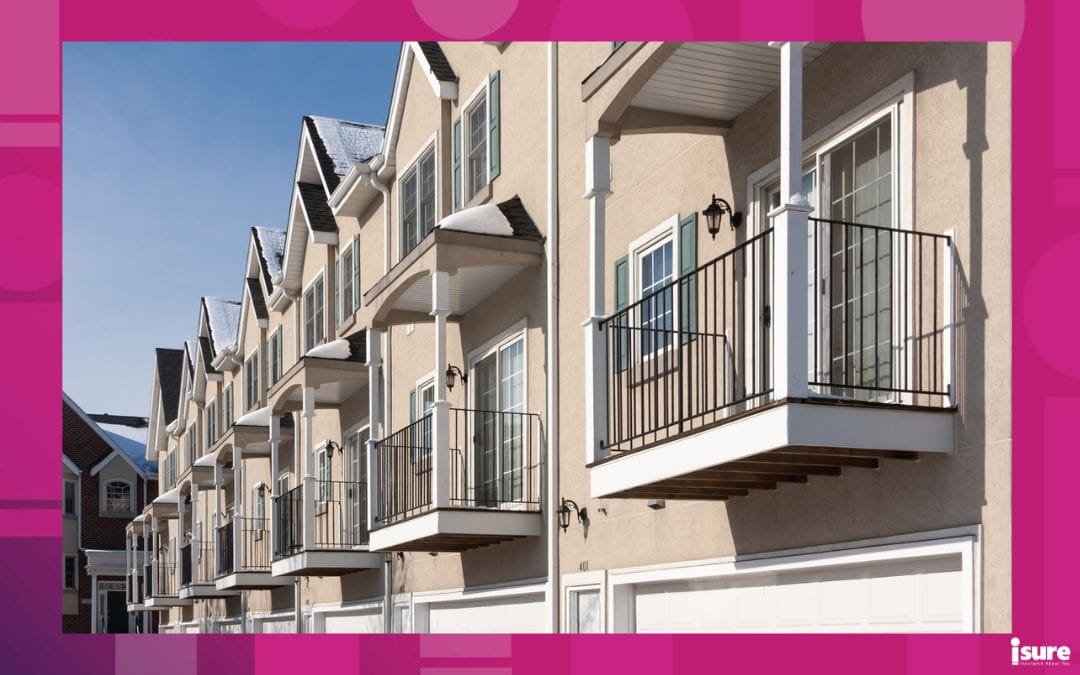
Ontario’s rental market has been a major source of tension for residents for years. With rising costs, limited availability and widening affordability gaps with households across the province. Although each region has its own unique factors, the underlying reasons tend to follow similar patterns. While the situation affects renters differently depending on the city and type of housing, the underlying causes are part of a broader housing challenge facing the province. Here is a breakdown of some reasons rent prices increase in Ontario.
Why Rent Is So High in Ontario (2026): Key Causes Explained
Growth and Increased Demands
One of the biggest drivers of high rent is simply supply and demand. Big cities like Toronto and Ottawa have experienced significant population growth in recent years. Many newcomers arrive for work, education, or immigration opportunities, which increases the number of people competing for rental units.
For example, the average rental cost for a 2-bedroom apartment in the previous year was about $2,720 per month. So, when demand grows faster than the available housing supply, landlords can raise prices because there are more potential tenants than apartments available. This imbalance has made it especially challenging for renters in larger urban centres to find affordable housing.
Are You Renting? Keep Your Belongings (and Yourself) Safe.
Protect what matters most. Get your free tenant insurance quote today!


Limited Housing Supply
Next, another factor behind the recent increase in rent prices is a limited supply of new housing. Building new homes and rental units takes time, and in some areas, new developments struggle to keep up with demand. Additionally, zoning restrictions, approval processes, and limited land in major cities can slow the construction of new developments. With cities like Toronto, there is limited development space, and demand is extremely high. Governments and developers have been trying to build more rental housing. In early 2025, Ontario saw 6,977 rental units begin construction, up 25% from the previous year, but it still takes years for these projects to be completed and help increase supply. Therefore, even a small housing shortage can cause rent to rise quickly.
Impact of Interest Rates on Rent Prices
Higher interest rates can also affect the rental market, driving up rents. When interest rates rise, borrowing money becomes more expensive, making mortgages more costly for both landlords and homebuyers alike. For many, higher mortgage rates make buying a home less feasible, especially for first-time home buyers. So, many potential homebuyers choose to stay renting properties longer.
Interest rates also impact landlords directly. If a landlord has a mortgage on their rental property, their monthly payments may increase. This is especially true in cities where the housing supply is already limited. So, landlords will naturally raise rent to help cover the increased monthly mortgage costs.
Job Opportunities and Urbanization on Rent Prices
Another cause of rising rent prices in Ontario is urbanization. Many people move to larger cities for better job opportunities, services, and education. Large cities tend to continue to attract new residents each year. So, since people want to live closer to work or other opportunities in the city center, they often compete for housing, which drives up rent.
When new residents move into the area, demand for housing naturally increases. If the number of available rental units does not grow at the same pace as the number of new occupants, rent prices can rise quickly. As Ontario cities continue to grow and attract workers, this pressure on the rental market is likely to continue.
Rising Construction and Development Costs
Another reason rent prices increase is the rising costs of construction and development. The costs of building new homes have risen sharply due to higher prices for materials, land, and labour. For example, key building materials such as steel, concrete, and lumber have increased significantly over the past 5 years. Developers must then account for these higher costs when planning new projects; the higher financial burden may trickle down to renters. Therefore, if it is a newer building, it will naturally be more expensive.
Land prices in major cities have also increased significantly. When land is expensive and construction costs are high, developers may be less likely to build lower-cost rental housing, further limiting affordable options for renters.
What does it mean for prospective renters?
Higher asking prices for rent
To start, with rising rents, landlords can reset rent to market value when a tenant moves out, so they often raise asking prices for new tenants. This means prospective renters will usually have to deal with a more competitive, more expensive market than former tenants.
Know if the unit is rent-controlled
It is crucial to know whether or not your prospective apartment is rent-controlled. If the unit was first occupied on or before November 15th, 2018, rent increases on the property are capped by annual guidelines (2.1% for 2026). Specifically, there have been new adaptations to Ontario’s rent control laws.
Be ready for a competitive market
As demand in the rental market remains high in Ontario, prospective renters need to be diligent about where they choose to rent. Expect multiple applicants and keep multiple properties on your list in case your first choice falls through.
Common Questions about Ontario Rent Increase, Answered
Does inflation impact rent prices?
Yes, inflation can increase rent prices. As landlords face higher repair, utility, property tax, and insurance costs, they may increase rents to keep up with rising expenses. Furthermore, as the overall cost of living rises, rental prices often follow suit.
Do interest rate increases impact rental prices in Ontario?
Yes. Higher interest rates will increase a landlord’s mortgage costs, especially for investment properties. So, in response, some landlords may take the opportunity to raise rent when allowed to cover rising expenses.
Will rent prices continue to increase in Ontario?
Rent prices in Ontario are likely to keep rising, mainly because supply cannot keep up with demand, especially in major cities. That said, if interest rates stabilize, more rental units are built, or government policies expand tenant protections, the pace may slow.
Protect Your Condo with Confidence
Contact us for a personalized insurance quote tailored to your unit and lifestyle.
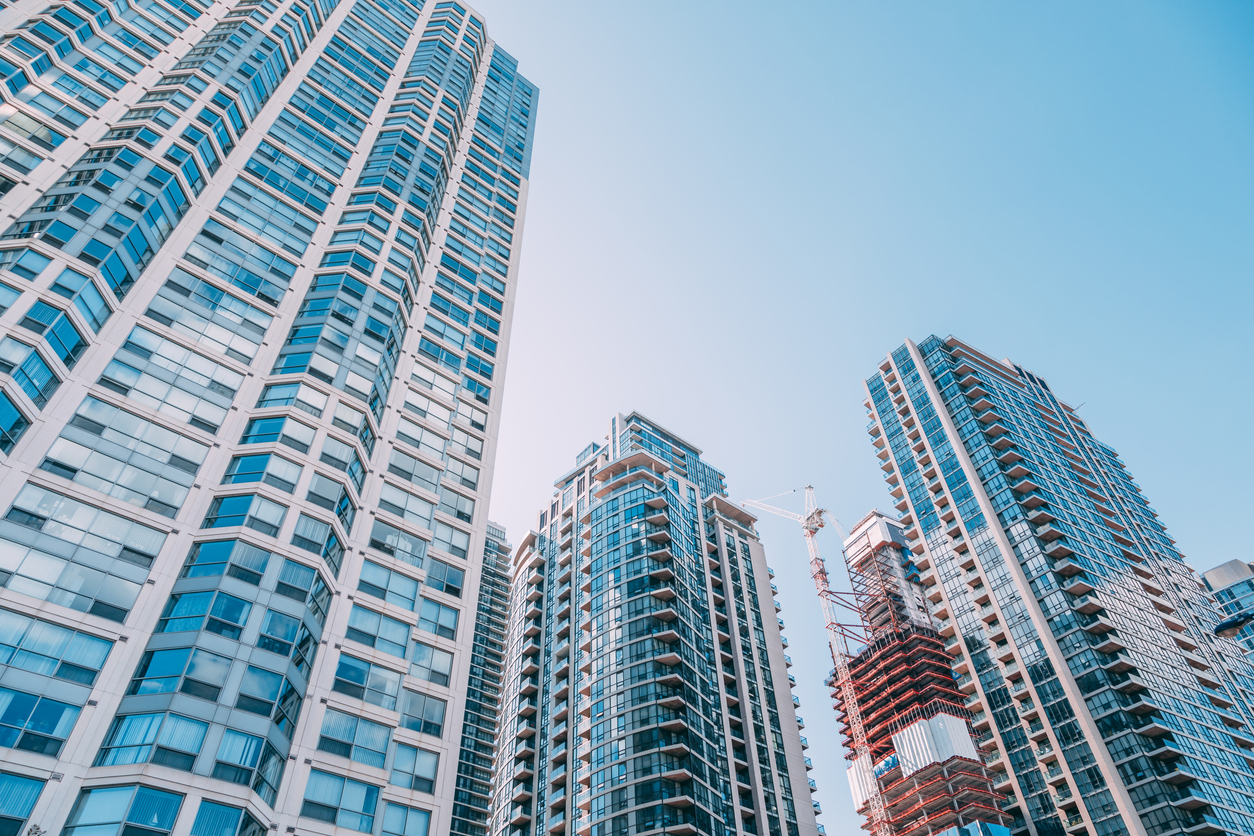
Why is Rent So High in Ontario?
In short, it comes down to demand outpacing supply. Rapid population growth, limited housing development, rising construction costs, and higher interest rates have all contributed to increasing rental prices across the province. As Ontario’s population continues to grow in 2026 and beyond, rental affordability will likely remain a challenge—especially in major urban centres like Toronto and Ottawa. While new housing developments and policy changes may help stabilize the market over time, renters should still expect a competitive environment in the near future.
For prospective tenants, understanding these factors is key to making informed decisions, whether that means budgeting for higher rent, exploring different regions, or securing the right protections for your space.
Tip: Before signing a lease, make sure you also protect your belongings with tenant insurance. It’s an affordable way to safeguard your finances in an increasingly expensive rental market.

Your cottage is one of your most valuable assets. If you Read more

For many people, owning your own home is the dream. Read more

When people discuss renting in Toronto, the word "expensive" usually Read more