
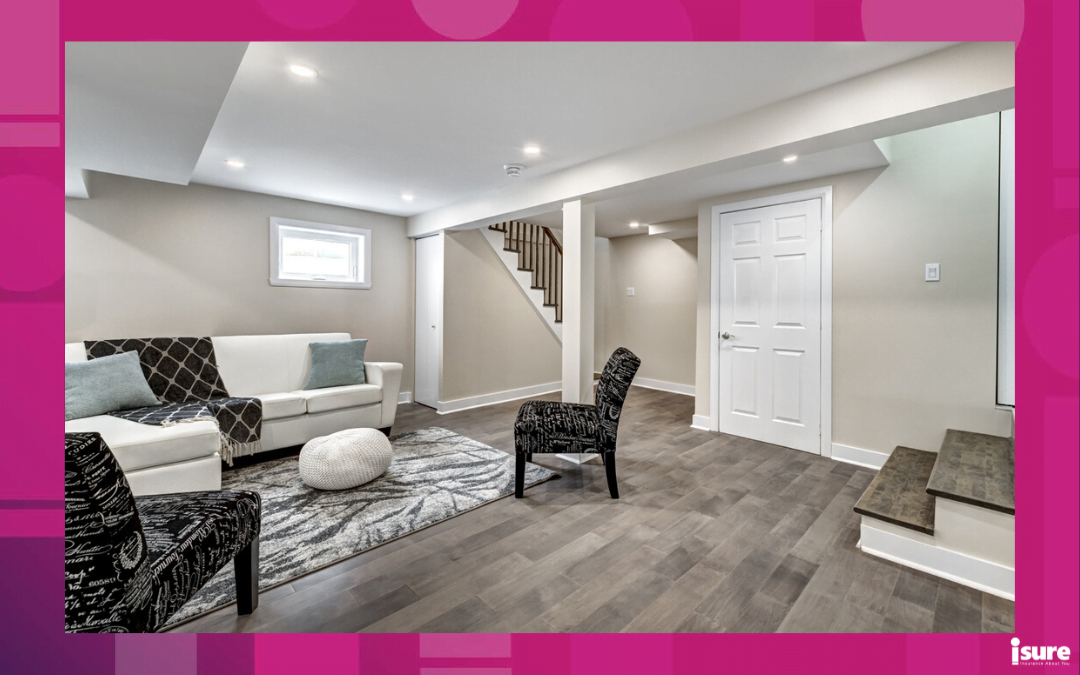
If you want to move out of your parent’s home and into your own space, it can seem impossible with the market the way it is. Whether you are looking to leave the nest or are new to Canada, you probably want to find a cheaper place to live. If so, basement apartments are a great option. Landlords usually rent their basements to tenants and live in the above home. As a result, they don’t charge tenants too much rent because they only rent part of the house. This also means living in better neighbourhoods while paying less expensive rent than other housing types. Let’s tackle what qualifies as a basement apartment and factors to consider before deciding to live in one.
What is considered a basement apartment?
An authentic basement apartment is located at least 50% below ground level in an apartment building or single dwelling. The lower unit is a basement or cellar apartment in a typical upper-lower duplex. There’s usually a shared entryway on the main floor with a door to the basement, which includes a bedroom(s), an eat-in kitchen or kitchenette, a bathroom, and/or a living room. There can also be a small mechanical room that services the whole building.
Also known as…
There are a few different kinds of names for basement apartments you may see during your search:
- Daylight basement apartment: This type of basement apartment features at least one full-sized window or a sliding door, which lets in more sunlight and offers the chance to get fresh air inside the space. Daylight or “English basements” are standard in row houses or low-rise apartment buildings.
- Garden apartment: A garden apartment is a version of a basement apartment, 50% above ground. It typically has its own “garden” entrance at ground level and a small yard at the back of the building. A garden apartment is slightly more elevated than one below street level, with more access to natural daylight.
- Cellar apartment: A cellar apartment is at least 50% below ground level, with windows at the ground level and the entire living space below ground level.
- Basement apartment: Slightly different than a cellar apartment, a basement apartment has at least 50% of its living area above ground level, with larger windows that bring in more natural light.
Basement apartments are separate living spaces from the home above them. They are attractive because they often have more square footage than standard apartments. Also, rent may be cheaper in high-rent locations than in traditional apartment complexes. However, renting a basement apartment does not come without unique challenges. It’s essential to ask your potential landlord detailed questions regarding their space while viewing/considering them.
Not all basement apartments are created equal.
The average basement apartment plays a significant role in the Toronto real estate market. In Ontario, a basement apartment is legally referred to as a “secondary unit”; windows must equate to at least 5% of the living floor area and 2.5% of the bedroom floor area. Multiple codes at varying levels must be met for a basement unit to be considered legal. Ontario-based apartment rentals have to adhere to the Ontario Building Code standards and Fire Code standards.
According to Realtor.ca, provincial regulations and city bylaws typically stipulate the minimum standards that qualify a secondary unit as ‘legal.’ Differing from province to province mandates usually specify:
- The number of exits required
- Window size
- The minimum ceiling height
- Unit size
- Access to utilities
- Compliance with fire safety and electrical safety regulations.
How to know if the apartment is legal
If your potential landlord owns a legal basement apartment, they should possess and be able to present, upon demand, the following proof of legality:
- Fire Certificate from the Local Fire Authority (or Fire Chief).
- ESA Certificate or ESA Sticker.
- Building Permit Completion or Certificate of Compliance from the Municipal Building Department. In some municipalities, this can also be proof of registration.
If you plan to rent a basement apartment, it’s prudent to ask the landlord for all three proofs. Failure to present these can mean you are renting an illegal basement apartment.
How to know if the basement apartment is up to code
No matter what type of apartment you’re looking at, you’ll want to be sure the apartment is up to code and compliant with what constitutes a basement apartment. Here are some specific regulations that apply:
- Minimum ceiling height: The ceiling should be at least seven feet high.
- Damp proof: The walls of a basement apartment should be waterproof and damp-proofed. The unit should also have a sump pump to remove groundwater.
- Interior doors: Interior doors need to be at least 1.75 inches thick, with a 1/2-inch gap at the bottom of each door for air circulation. If there’s no 1/2-inch gap, the unit needs air ducts installed.
- Minimum room size: A bedroom must be at least 70 square feet to be legally considered a bedroom.
- A separate entrance: Your basement apartment must have its entrance to the street or yard. You must also have at least one egress window for a fire escape.
- Windows: The windows must open at least 24 inches and be 20 inches wide, no higher than 44 inches from the floor. There should be a clear area on both sides of the window of five square feet for ground-level or below-level windows.
Common issues you may encounter in a basement apartment
- Dampness or a musty smell: With less sun exposure and air circulation, humid conditions are more likely in this unit, which can be a concern for people with asthma and allergies. A musty smell can sink into furniture, carpeting, and clothing.
- Mould: Mould can develop in damp areas that lack adequate ventilation, such as what can be found in some basement apartments.
- Radon: The presence of radon gas has been proven to increase the risk of lung cancer. An airtight basement apartment that lacks sufficient ventilation can increase the risk of radon exposure.
- Security: Basement apartments are easier to access than units on a higher level, which can come with security concerns.
Considerations when looking for a basement apartment
While the apartment size may be significant and proximity to work or school can’t be beaten, you will have “roommates.” Remember, when renting a basement apartment, you’re living below someone. So, think about your lifestyle and who will be living upstairs. Are you okay if it’s a family with children? Do you work from home? Do you work the night shift and need your sleep during the day? Before signing any lease agreement, talk with one of our isure representatives about renter/tenant insurance. We can help you ensure your possessions are covered in case of any damage to the home you are renting, such as water damage. If you do your due diligence, you can find a terrific lower-level flat that gives you lots of space to live in and even more savings for your monthly rental bill.

Renters need insurance as much as homeowners do. Unfortunately, many Read more

You are not legally obligated to get tenant insurance however; Read more

In a recent study of Canadian renters, nearly half of Read more