

If asked to name the most dangerous conditions for driving, many people would likely think of blizzards or driving on the thin layer of frozen moisture known as black ice. However, fog is one of the most dangerous weather conditions for drivers. Fog can range from a light mist to a dense haze, obscuring visibility. Due to the low visibility and increased chance of collision, The Ontario Ministry of Transportation advises avoiding fog whenever possible. Drivers should always check weather forecasts for fog warnings when planning a trip, and in some instances, delaying the trip until the fog clears may be their best option. If that is not possible or you get caught driving in fog, there are several tips you should follow for driving safely in fog:
1. Check your mirrors and slow down gradually
Decreased visibility means longer braking times. You can never be sure how quickly the car in front of you may react, so the earlier you tap your brakes, the better! The brake lights will also alert drivers behind you that you are slowing down and that you won’t catch them by surprise with a sudden stop.
2. Increase the distance between yourself and others on the road
Fog can limit visibility anywhere from a few feet to a kilometre; make sure you have enough stopping distance between yourself and the car in front of you.
3. Use your low-beam headlights
Believe it or not, low beams are better for driving in fog in urban areas. If you have fog lights on your vehicle, use them in addition to your low beams.
4. Limit distractions
Distracted driving can cause potential safety issues while driving, though more so in poor visibility conditions. Turn down the music, put away your phone, and let someone in the car navigate the GPS or Google Maps.
5. If you decide to wait the fog out, pull over as far as you can
If driving conditions become more complicated than you are comfortable driving in, it is always best to pull off the road and turn on your hazard lights. Remember, everyone is having trouble seeing, so be extra cautious and let other drivers know where you are. Pulling into a gas station or designated rest stop is a great alternative.
6. Watch for emergency vehicles
Listen and look out for emergency vehicles approaching from behind or stopping in front of you.
7. Be aware of people and wildlife on the road
In rural areas, wildlife can be a hazard while driving in poorly lit stretches of road. This becomes an even greater risk during foggy conditions. Also, be mindful of people who may have exited their cars and are attempting to fix their vehicles or get help.
8. Use your wipers and defogger
These will help to keep your windshield and line of sight as straightforward as possible.
9. Be patient
While these precautions may slow your travel time, your safety and insurance rates should be more cautious.
We may not be able to control the weather, but we can adapt our driving style to ensure we reach our destination safely during fog conditions. If you want more information about driving in fog conditions and your auto insurance coverage, please get in touch with isure today.
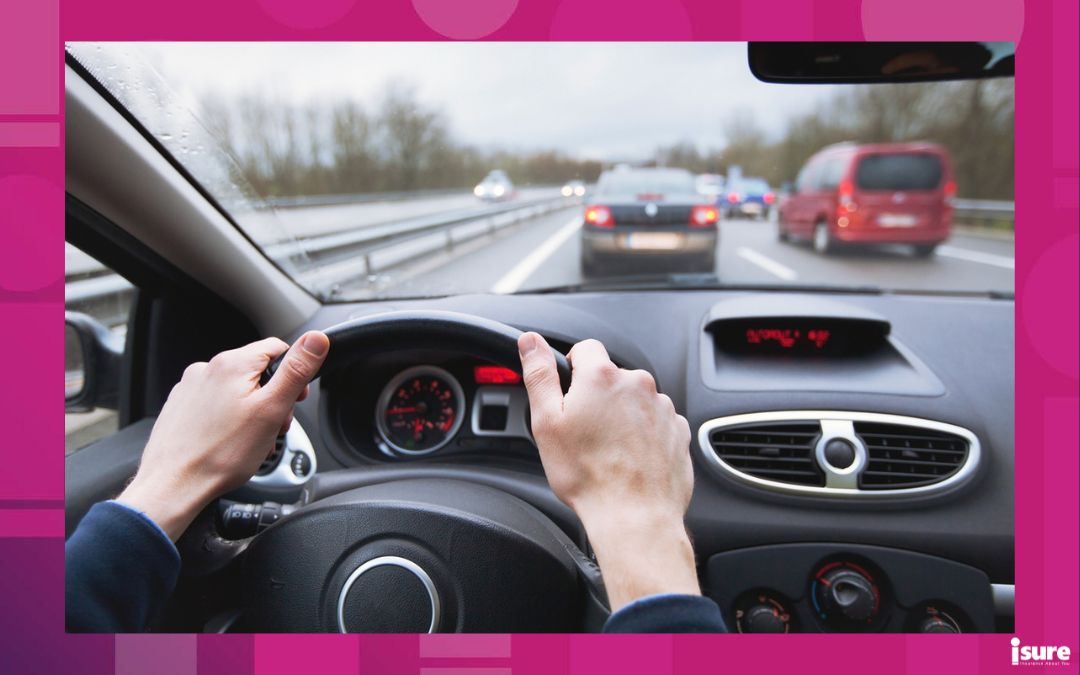
It's important to remember to stay alert behind the wheel. Read more
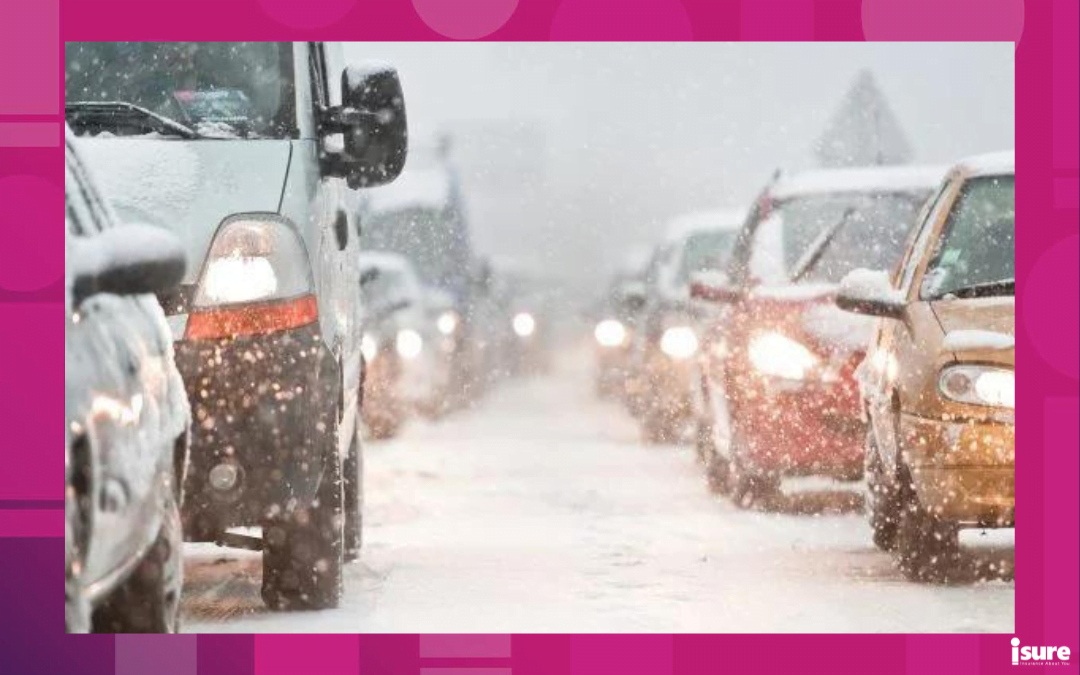
Winter driving in Ontario can bring unpredictable conditions — from Read more

Nothing can make you flinch more while you are driving Read more