
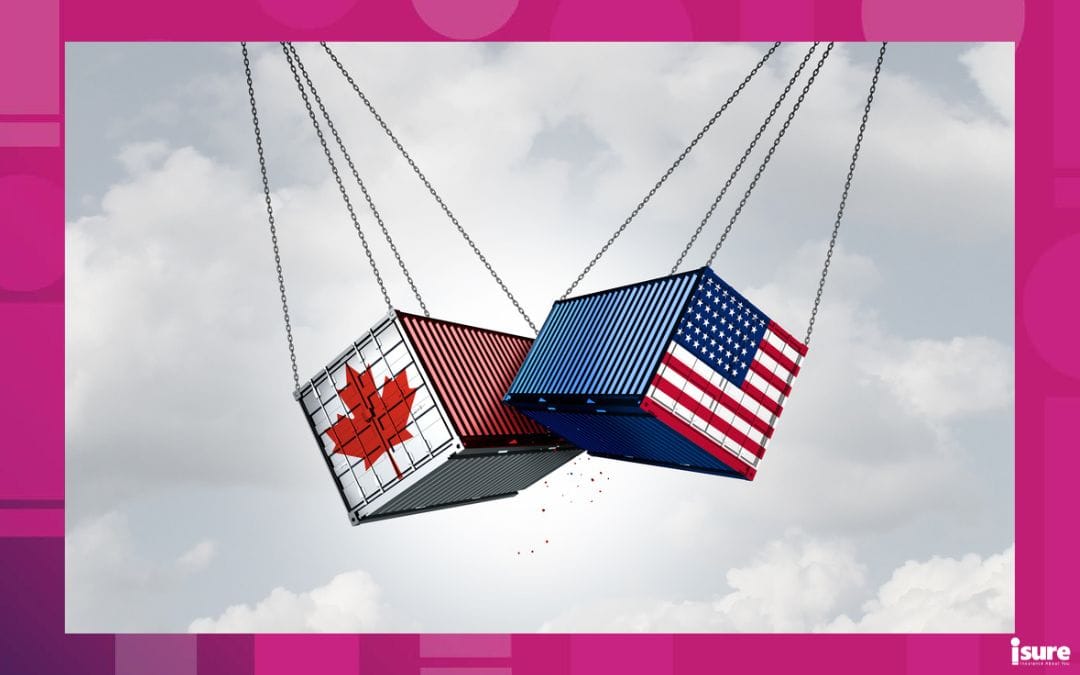
As trade tensions escalate and tariffs are imposed, many Canadians are left wondering how these economic changes will affect their everyday lives. One area that can be significantly impacted is your insurance—specifically, auto and home insurance in Ontario. Understanding these repercussions can help you make informed decisions about your coverage. Let’s examine the breakdown of the impact of U.S. tariffs on auto and home insurance in Ontario.
Understanding US Tariffs and Their Insurance Implications
Tariffs are taxes imposed by a government on imported goods aimed at protecting domestic industries from foreign competition. In the auto industry context, U.S. tariffs on Canadian-made vehicles could increase costs for automakers, which may subsequently affect insurance premiums for consumers. With many cars in Canada being built in the U.S. or featuring significant U.S. parts, any increase in production costs can be passed on to the average driver.
Read our blog to learn more about the US tariff effects on the home and auto industry.
How US Tariffs Impact Your Car Insurance in Ontario
When US tariffs increase the cost of manufacturing vehicles, several outcomes are possible for Ontario car insurance:
1. Higher Vehicle Prices
If the cost of producing vehicles rises, manufacturers will likely pass these costs on to consumers. As new car prices increase, the values of current cars may also rise, which in turn affects how insurance companies determine premiums. Higher vehicle values typically result in higher insurance costs, as insurers must account for the increased costs of repairs and replacements.
2. Changes in Coverage Options
Insurers may adjust their coverage options based on market conditions. If car prices rise due to tariffs, insurers may change their policies to reflect higher repair or replacement costs, potentially leading to increased premiums. Comprehensive and collision coverage may become more expensive as insurers factor in these rising costs.
3. Claims and Repair Costs
Many insurance policies cover the cost of repairs using original equipment manufacturer (OEM) parts. If tariffs increase the cost of these parts, insurers may face higher claims costs, which can also lead to premium hikes for consumers. Additionally, delays in the supply chain caused by trade restrictions could increase repair times, leading to more costly claims settlements.
In summary, as U.S. tariffs ripple through the automotive industry, Ontario car insurance premiums may increase, and coverage options may change, ultimately affecting the average driver’s wallet.
How US Tariffs Impact Your Home Insurance in Ontario
The implications of U.S. tariffs extend beyond the automotive sector. The construction industry is also vulnerable to tariff changes, particularly those affecting steel, aluminum, and lumber. Here’s how these changes may affect Ontario home insurance:
1. Increased Construction Costs
Tariffs on steel, aluminum, and lumber can lead to higher costs for building materials. If you need to file a claim for repairs or rebuilding, the cost of materials may increase significantly. This can result in higher premiums as insurers adjust their pricing models to account for these rising costs.
2. Higher Insurance Claims
If your home suffers damage and you need to rebuild, the cost of labor and materials may have increased due to tariffs. Insurers may choose to raise premiums to cover these potential increases in claims. In cases of large-scale disasters, such as floods or wildfires, the compounded cost of rebuilding across affected communities can put even more pressure on insurance rates.
3. Market Instability
Economic uncertainty often leads to fluctuations in the housing market. If home values rise due to increased construction costs, homeowners may find their insurance premiums adjusting accordingly, further complicating financial planning for many families. Additionally, higher property values may lead to increased replacement costs in the event of a total loss.
How to Minimize the Impact of US Tariffs on Your Insurance Costs
While U.S. tariffs may lead to higher auto and home insurance rates, there are proactive steps you can take to mitigate the impact:
- Shop around for the best insurance rates: Comparing different providers can help you find more affordable coverage.
- Bundle your home and auto insurance: Many insurers offer discounts when you combine multiple policies.
- Increase your deductible: A higher deductible can lower your monthly premiums.
- Maintain a clean driving record: Avoiding accidents and traffic violations can help lower your car insurance costs in Ontario.
- Review your policy regularly: Ensuring your coverage reflects your needs can prevent overpaying.
- Consider usage-based insurance: Some insurers offer discounts to low-mileage drivers who enroll in telematics programs that track their driving habits.
US Tariffs and Insurance: The Bottom Line
While U.S. tariffs on essential materials can increase the costs of car repairs, home construction, and insurance claims, being an informed consumer can help you navigate these changes. Suppose you’re looking for competitive and reliable car or home insurance in Ontario. In that case, isure offers personalized coverage and expert advice to ensure you get the best protection at the best price. Visit us to explore your options and secure peace of mind today!

If you have looked into the global news, you've probably Read more

With recent news, many Canadians may be concerned about travelling Read more

Have you ever wondered just what exactly goes into calculating Read more