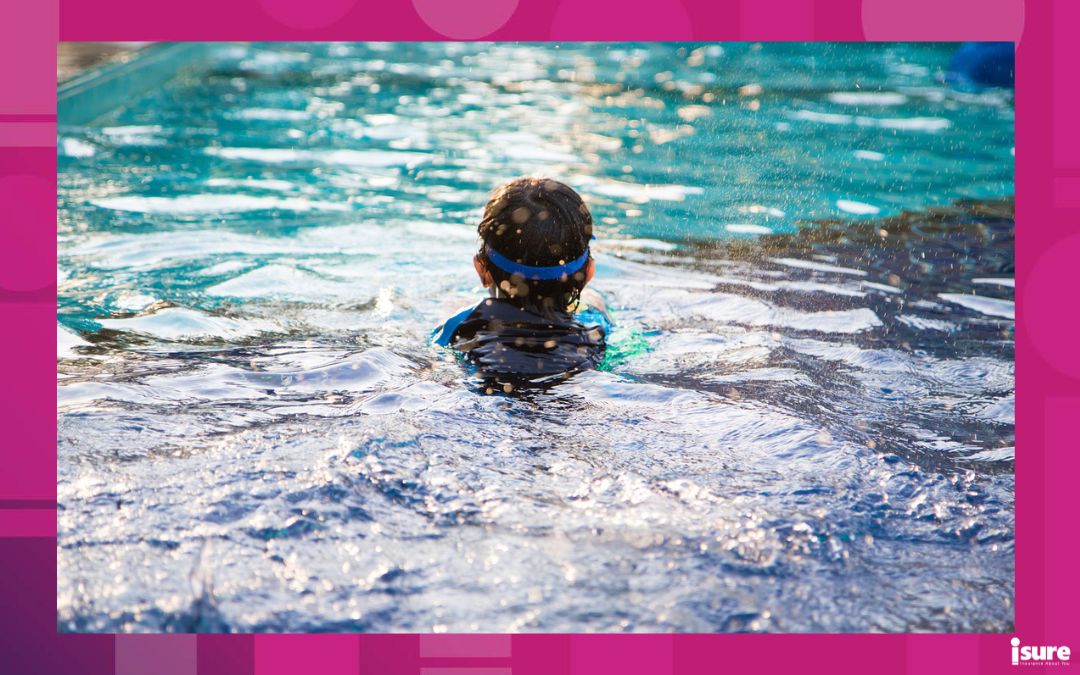
Believe it or not, summer is right around the corner! When the heat hits, there’s no better way to cool off than by taking a dip in a pool or heading to the cottage for some time on the lake. But whether you’re lounging by the backyard pool, paddling at the cottage, or heading out on a boat, water safety should always be a top priority, especially if kids or pets are around.
So to keep everyone safe and having fun, we have put together a comprehensive guide to water safety in Ontario.
Quick Water Safety Tips for Summer
- Always wear a lifejacket when boating
- Never leave children unattended near water
- Avoid drinking alcohol when swimming or operating a boat
- Always swim with a buddy
- Check the weather conditions before choosing to go out
What are some water safety dos and don’ts for pools, lakes, and beaches?
Whether you’re swimming at home or by the lake, following water safety protocols can prevent accidents and save lives. These water safety do’s and don’ts are a must-read for families, cottage-goers, and water-lovers of all ages.
Water Safety DO’s
- Use lifejackets, not floaties: Always choose properly-fitted lifejackets over water wings, noodles, or inflatable toys, especially in open water like lakes or rivers.
- Wear life jackets on boats: Regardless of swimming ability, all passengers should wear life jackets at all times when on a boat.
- Keep flotation devices nearby: Have approved lifesaving equipment within reach, especially for weaker swimmers.
- Install pool barriers: If you have a backyard pool, install a fence with a self-closing, self-latching gate that young children and pets cannot open.
- Keep decks and docks clear: Remove clutter and hazards to reduce the risk of slips or injuries.
- Cover pools and hot tubs: When not in use, especially overnight—secure the covers to prevent accidents.
- Always swim with a buddy: Make it a rule, never swim alone, no matter how confident you are.
- Set clear water rules: No running, no diving in shallow areas, and always enter feet-first.
- Keep a first aid kit handy: Always have a fully stocked first aid kit and an emergency contact list readily available.
- Check water conditions: Before swimming in lakes or oceans, check for water advisories, algae blooms, or dangerous currents.
Water Safety DON’Ts
- Don’t leave children unsupervised: Never leave kids unattended in or around any body of water, not even for a minute.
- Avoid alcohol near water: Drinking near pools or while swimming increases the risk of drowning and injury.
- Never swim alone: Even experienced swimmers should always have a buddy.
- Don’t drink and operate a boat: Boating under the influence is illegal in Ontario and is treated like a DUI.
- Keep glass away from decks: Avoid bringing glass bottles or sharp objects onto pool decks or docks.
- Hot tub safety: Keep the water below 104°F (40°C) and avoid use by pregnant women, toddlers, and infants.
- Reapply sunscreen regularly: Water and sweat reduce protection. Reapply every two hours or after swimming.
- Avoid swimming at night or in storms: Low visibility and lightning make this incredibly dangerous, especially in open water.
Safeguard Your Home
Get a free home insurance quote today and protect what matters most.


What are some Boating Safety Rules in Ontario?
If you’re heading out on the water in a motorboat, sailboat, or personal watercraft (PWC), following safe boating practices is just as important as knowing how to swim. Here are key boating safety tips every Ontario boater should follow:
Ontario Boating Safety Tips:
- Take a boating safety course. All boat operators must carry a Pleasure Craft Operator Card.
- Always check the weather. Avoid going out on the water in bad weather or high winds.
- Tell someone your boating plan. Let someone know your route and estimated return time.
- Carry the essentials. Ensure your boat has safety gear such as a bailer, a waterproof flashlight, a whistle, and a fire extinguisher.
- Don’t overload the boat. Know your vessel’s capacity and don’t exceed it.
- Respect local boating laws and speed zones.
- Avoid distractions. Stay focused when driving any watercraft, just like with a car.
- Stay sober. Impaired boating is not only unsafe, but it’s also against the law in Ontario.
Teach Your Kids About Water Safety
Water safety education should start early. Make learning fun and memorable for kids by:
- Enrolling them in swimming lessons.
- Teaching them how to identify safe and unsafe behaviours near water.
- Practicing emergency drills so they know what to do if someone is in trouble.
- Explaining why lifejackets are a must, even if they “know how to swim.”
Why does Boat Insurance Matter in Ontario?
Owning a boat or personal watercraft is a big responsibility and a major investment. Whether you own a speedboat, pontoon, jet ski, or fishing boat, proper boat insurance is essential.
What does Boat Insurance Typically Cover?
- Liability coverage: In case someone is injured or their property is damaged.
- Damage to your boat: From accidents, storms, theft, or vandalism.
- Personal effects: Items stored or used on the boat.
- Emergency towing or assistance.
Ontario doesn’t mandate boat insurance for recreational watercraft by law. Still, many marinas and financing companies require it, and it’s the smart choice if you want peace of mind this summer.
Peace of Mind for Your Second Home
Protect your cottage year-round — Get a free insurance quote today!
Explore our guide to boat insurance in Ontario for everything you need to know before hitting the water.
Some Common Water Safety Questions, Explained
Are lifejackets required on boats in Ontario?
Yes. Canadian law requires that there be a properly fitting lifejacket or personal flotation device (PFD) for every person on board a boat. While not always mandatory, wearing them is strongly recommended.
Is it illegal to drink and drive a boat in Ontario?
Yes. Operating a boat under the influence of alcohol or drugs is illegal in Ontario. It is treated the same as impaired driving under Canadian law.
Do you need boat insurance in Ontario?
While boat insurance is not legally mandated by Ontario provincial law (though highly recommended and required by most marinas), licensing regulations are strict:
The Operator (PCOC): Anyone operating a motorized vessel must carry a Pleasure Craft Operator Card.
The Boat (PCL): Any pleasure craft featuring a motor of 10 horsepower (hp) or more must hold a valid Pleasure Craft Licence. Under the updated Canadian marine regulations, new and renewed PCLs are now valid for 5 years and carry a $24 processing fee.
What should I check before going boating in Ontario?
Before boating, here are some things to keep in mind when boating in Ontario:
- Always check the weather conditions
- Ensure your safety equipment is onboard
- Confirm your fuel levels
- Review Ontario boating regulations
- Share your trip plan with someone on land.
How can I keep my kids safe around water?
To keep kids safe, here are some things to keep in mind:
- Enroll them in swimming lessons
- Teach them water safety rules early
- Require lifejackets in open water
- Maintain constant adult supervision whenever they are near pools, lakes, or boats.
Final Thoughts: Stay Safe & Covered This Summer
From backyard pools to open lakes, water safety can mean the difference between fun and tragedy. Educate your family, properly equip your watercraft, and follow the right safety rules to keep everyone safe this summer.
And if you’re a boat owner, don’t forget, having the right boat insurance can help protect your investment and your passengers. Contact us or request a quote today!

Boat insurance helps protect watercraft owners from a wide range Read more
Thinking about installing a swimming pool at your home? Whether Read more
From organizing your supplies and opening your cottage properly to Read more