

When you’re the named policyholder on an auto insurance policy in Ontario, you can allow someone else to drive your vehicle — and in many cases, they’ll be covered by your insurance. But the rules around who is insured, when coverage applies, and what happens if something goes wrong are more complex than people assume. So, if you’re thinking, “Who can drive my car under my insurance?” This updated guide breaks down everything you need to know, including what’s changed in the industry and what Ontario insurers expect today.
Does Insurance Follow the Car or the Driver in Ontario?
In Ontario, insurance follows the car, not the driver. Your auto insurance policy is tied to your vehicle’s VIN and to the people listed as drivers on the policy. This means:
- If someone drives your car with your permission, your insurance is usually the primary coverage.
- The other person’s own insurance (if they have it) is secondary.
- If they cause damage, the claim goes on your record — not theirs.
However, this default rule only applies when the person is a permissive, occasional driver. It does not apply when the person is a regular driver or a household member who hasn’t been disclosed.
Permissive Use: When You Can Lend Your Car Without Listing the Driver
Ontario allows “permissive use,” meaning someone can borrow your vehicle without being listed on your policy, as long as they:
- Have a valid Canadian licence
- Gained your permission
- Follow the rules of your policy
- Are not using the car for illegal activity
This is normal for occasional scenarios, such as your neighbour using your SUV once to pick up lumber or move a couch. A family member may also request the use of your vehicle to run errands from time to time.
These are considered incidental uses, and no policy change is usually required.
Incidental vs. Regular Use: The Key Distinction That Insurers Care About
The difference between incidental and regular use matters more now than ever. Insurers have become stricter because undisclosed regular drivers can significantly affect premiums and risk ratings.
Incidental Use (usually covered)
Example:
Paul borrows your car once every few months.
He is not a listed driver, and that’s fine — the use is infrequent and unpredictable.
Regular Use (must be disclosed)
Example:
Josie borrows your car every Saturday night to go to work.
That is regular, predictable use, and your insurer expects you to:
- Call your broker
- List Josie as an occasional or secondary driver
If you don’t disclose this, the insurer may classify it as material misrepresentation, which can result in:
- Denied claims
- Policy cancellation
- Issues obtaining future insurance
Household members are almost always considered regular drivers unless proven otherwise.
Before Handing Over the Keys: What You Should Do
Even when the borrower is covered, you remain responsible for what happens. You’re lending your vehicle, your insurance, and potentially your driving record.
Before you lend out your car:
✔ Confirm the Driver is Properly Licensed
Borrowers with expired licences, unpaid fines, or suspensions may face significant penalties — and your vehicle could be impounded.
✔ Ask About the Trip
Things you need to know:
- Destination
- Purpose
- Duration
- Expected mileage
- Whether passengers will be present
✔ Check the Vehicle
Be sure that:
- Lights work
- Wipers function
- No warning lights on the dashboard
- Tires are at safe pressure
- Check the odometer
Be aware: If you lend your vehicle, remember that you also lend your insurance record.
✔ Show Them Where Documents Are
Make sure they can access:
- Registration
- Insurance slip
✔ Set expectations
This may include not allowing any other drivers to drive the vehicle when in their possession, restricting eating in the car or risky behaviour (racing, stunt driving, off-roading)
Non-Owner Driver Insurance (OPCF 27): What It Actually Covers
OPCF 27 provides Liability for Damage to Non-Owned Automobiles when you, the insured person, drive someone else’s vehicle. This is:
- An add-on to your existing auto insurance
- Often bundled with comprehensive policies
It typically covers:
- Liability when you borrow, rent, or temporarily use a vehicle
- Damage to rented or borrowed vehicles (depending on policy wording)
However, it does not act as standalone insurance, and coverage varies by insurer.
Driving Someone Else’s Car in Ontario
You must ensure you have specific Ontario Policy Change Forms (OPCF) on your policy in Ontario. Usually, it’s included in a comprehensive policy, but it’s worth double-checking if you want to drive someone else’s car. OPCF 27 is the big one that covers “Liability for Damage to Non-Owned Automobile(s) and Other Coverages When Insured Persons Drive, Rent or Lease Other Automobiles.” In layman’s terms, this covers you when you are against damages to someone else’s car and, more specifically, helps you avoid paying for rental car insurance at the car rental counter.
What If the Borrower Has a Poor Driving Record?
You share the consequences.
If the borrower has:
- At-fault collisions
- High-risk status
- Licence suspensions
- Tickets or violations
…it could affect your:
- Premiums
- Claims history
- Ability to keep your policy
Insurers may even exclude high-risk people from your policy if they live with you.
When You Will NOT Be Covered
Someone will not be covered while driving your car if they are:
- Driving while impaired
- Specifically listed as an excluded driver
- Not permitted to use your vehicle
- Without a valid licence
- Using the vehicle for illegal purposes
- A regular driver you failed to disclose
Remember: Insurance follows the car. Even if the other driver has insurance, your policy will still be the first to pay the claim. Therefore, you might have to pay for any car damage and the claim’s deductible. You could also be risking your good driving record and claims history. This may cause your car insurance rates to increase on your next renewal. Being a good friend is important, but protecting your clean driving record should be just as important.
If Someone Gets Into an Accident While Driving Your Car
If you gave permission, your insurance is the primary coverage, even if:
- The borrower has their own insurance
- You were not in the car
- It was an innocent mistake
This means:
- The claim goes on your record
- Paying the deductible is your responsibility
- Your premiums may increase
- Accident forgiveness (if applicable) may be affected
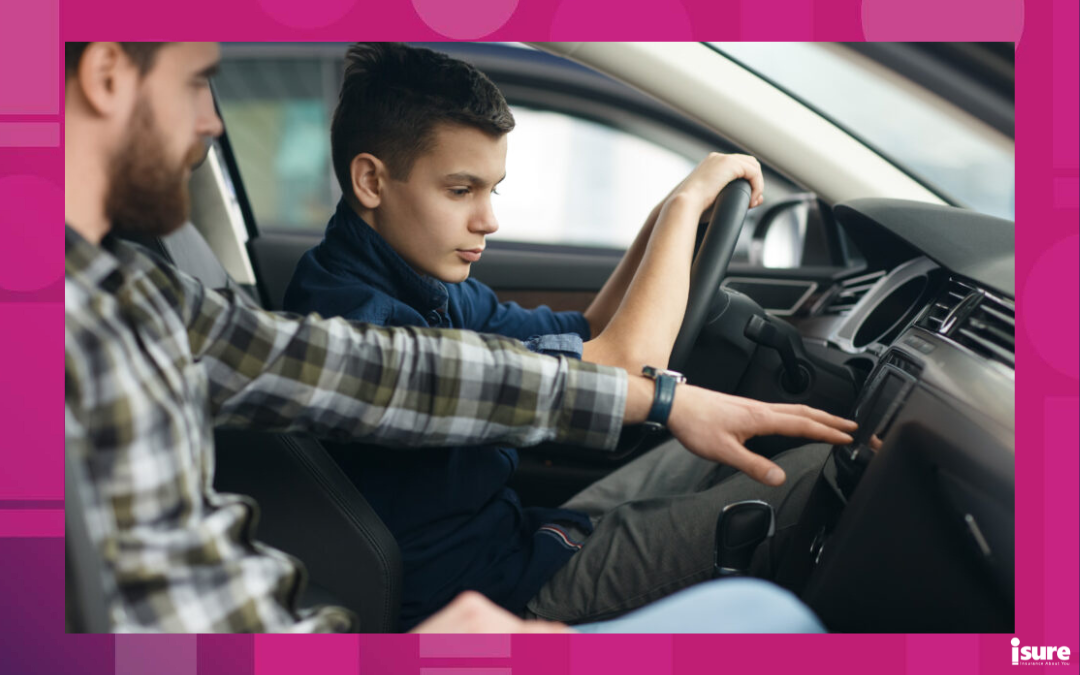
There is one standard exception to this rule: If the driver who wants to use your car only has their learner’s permit and is driving under the required supervision, they generally don’t need to be added as an occasional driver, no matter how often they will be behind the wheel. Check with your isure broker if this exception applies to where you live. Let your insurance company know that a new driver may be practicing in your car.
Non-Owner Driver Insurance
Non-owner insurance coverage lets you modify or add to your existing policy to give another driver the same policy terms they enjoy on their car when they drive yours. For borrowed or rental vehicles, this is a viable option. In Ontario, you can only buy this insurance as an add-on to your auto insurance policy. Drivers who rent or borrow cars regularly might consider this option if they want to carry more liability coverage. Suppose you are visiting a friend out of province, borrow their vehicle, and are in a car accident. If the damages cost more than their car insurance policy limits, the remaining costs will fall on you. In such cases, additional non-owner coverage would be beneficial as an endorsement to your Ontario car insurance.
Who Can Drive My Car: Material Misrepresentation
There is one other scenario you should be aware of when lending out your vehicle: what happens if an accident occurs? While investigating the claim, your insurance company could determine that the borrower qualifies as an occasional driver. You would be seen as withholding information if you don’t disclose to your insurance company all the drivers who frequently drive the car. This is known as material misrepresentation, and it will result in denied claims and/or policy cancellation if you have a friend or family member who uses your vehicle weekly.
When you let someone borrow your car, you’re letting them borrow your insurance, too. Doing a favour for a friend could be a lot more costly than just the gas they use. Always make sure they understand the responsibilities that come with it. When in doubt, it’s always a good idea to check with your isure insurance broker. They are there if you have questions about who can drive your car under your insurance and offer coverage information.
Final Thoughts: When in Doubt, Ask Your isure Broker
Lending your car means lending your insurance — and by extension, your financial protection and driving reputation. If you’re unsure whether someone should be listed, or you’re concerned about your liability, your isure broker can help you clarify:
- If the driver counts as regular or incidental
- Whether you need OPCF 27
- If a driver should be added, excluded, or removed
- How lending your car may affect your premiums
Knowing the rules helps you say “yes” to helping someone — without risking your insurance.
Drive with Confidence
Request your free car insurance quote now and get the coverage you deserve.


As the cost of living increases, many Canadians are looking Read more

Have you let your insurance lapse? Being uninsured and driving Read more
If you are a novice driver, there are many G1 Read more