Hail can cause significant damage to a home, and depending on the severity, it may necessitate a roof replacement. It can also cause broken windows, skylights, and shredded siding, allowing water to enter your home and leading to further damage. Here are ten ways you can protect your home from hail:
1. Ensure Your Roof is Sturdy
To protect your home from hail, ensure your roof is sturdy and that all your shingles are durable and properly in place. Most homes have asphalt shingle roofs. As a result, this material undergoes testing to ensure it meets the insurance companies’ standards. They must pass tear strength and nail-withdrawing tests to be considered suitable. This aspect alone will provide your home with significant protection.
Another aspect to consider is the slope of your roof, as this will significantly impact your home’s protection from hail damage. A roof with a steep slope can reduce potential damage by limiting direct hits if the hail falls in a straight path. If the hail is falling at an angle, the wind-shaded side will experience little or no damage. Therefore, a steep roof is ideal. A flat roof will suffer more damage because hail will come into direct contact with it.
2. Roof Underlayment
Roofing underlayment can make a significant difference in protecting your home from hail. A complete roof underlayment installation over the entire roof deck is recommended before the final roof cover, as it can provide additional protection. It will also serve as a secondary line of defence against water and ice build-up. This will be especially beneficial if the primary cover suffers damage from wind or hail, making it a worthwhile consideration. There are several underlayment products available in today’s market, but a self-adhering waterproofing underlayment is generally the best option, as it provides homeowners with comprehensive protection. This is often known as an “ice and water shield” and will protect against water if your roof cover receives hail damage.
3. Protect Any Outdoor Furniture or Belongings
If you have outdoor furniture or any other belongings in your backyard, they also need to be protected from hail. It’s essential to have a system in place, so you’re always ready if it starts hailing. Manufactured tarps are the best way to protect your outdoor belongings. Materials, such as polyester or canvas, are very protective, strong, and flexible. You can also use lighter tarps to cover your garden. Even if your items aren’t fully protected from the storm’s severity, it may still cause some damage.
4. Understand the Risk and Prepare
It’s essential to understand the severity of a hailstorm before preparing for it. For example, residents of British Columbia are expected to receive more hail than those in Ontario this year. Keep an eye on The Weather Network for updates on the storm’s severity, and plan accordingly.
5. Ensure Your Home Insurance Policy is Up-To-Date
This tip is critical, especially if you are a homeowner. Regardless of how much you prepare for a hail storm, there is still a chance that something can go wrong. A scenario may be that you are away from home during a hailstorm and didn’t prepare before you left. A member of our isure team can assist in updating your home insurance policy to ensure you have adequate protection.
6. Secure Windows
Although your first instinct may be to install storm shutters, a set of secure windows may do the trick (and save you money!) A storm shutter is only beneficial for a skylight, where the window is in direct contact with falling hail. Depending on where you live, horizontal winds may be an issue.
7. Reinforce or Protect Skylights
Skylights are especially vulnerable during hailstorms because they take direct impact. Consider installing impact-resistant skylight covers or replacing older units with laminated or polycarbonate glazing designed to withstand hail. Even temporary covers can reduce the risk of shattering and water intrusion.
8. Inspect and Maintain Siding, Gutters, and Downspouts
Loose siding, clogged gutters, and damaged downspouts can worsen hail damage by allowing water to back up or enter your home. Regular inspections and maintenance help ensure these exterior components can properly channel water away from your foundation after a hailstorm.
9. Trim Trees and Remove Overhanging Branches
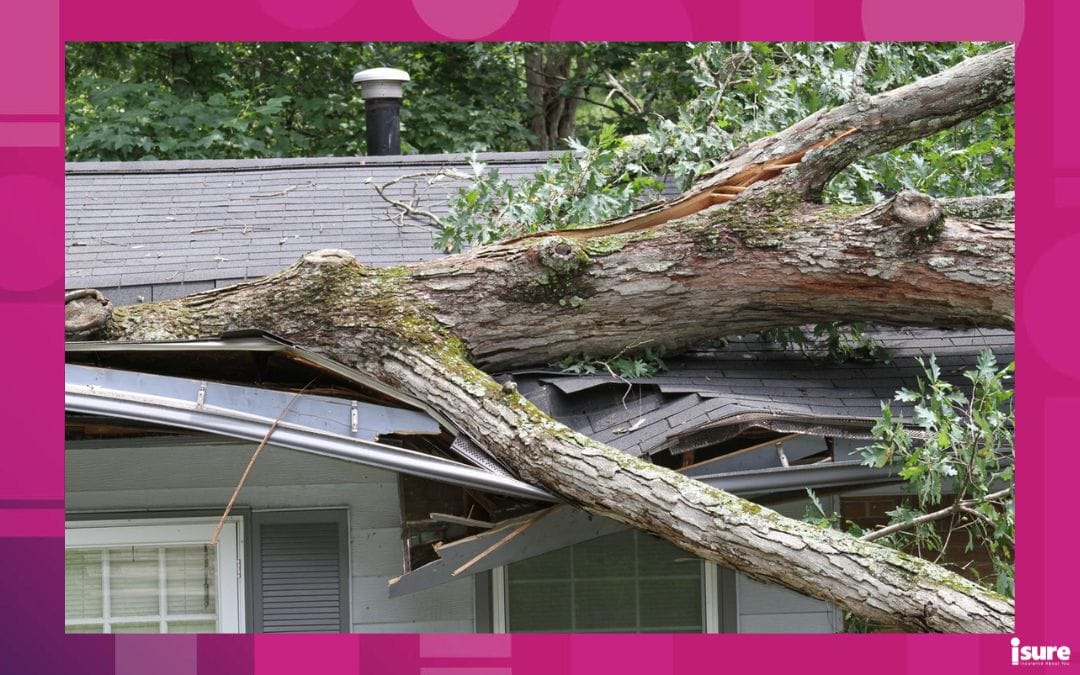
Overhanging branches can break during hailstorms and cause additional damage to your roof, windows, or siding. Keeping trees trimmed and removing dead or weakened branches reduces the risk of secondary damage during severe weather.
10. Document Your Home’s Condition Before Storm Season
Take photos or videos of your roof, siding, windows, and outdoor structures before hail season begins. Having clear documentation can make the claims process smoother if damage occurs and help establish your home’s pre-storm condition.
Hail can cause you and your home several headaches, but at isure, we can provide you with the insurance protection you need. To secure a home insurance quote or to submit a hail-related claim, contact us today!
Safeguard Your Home
Get a free home insurance quote today and protect what matters most.


Spring arrived this week, and with it came our first Read more

According to Public Safety Canada, floods are the most common natural Read more

Water damage is now the most common and costly home Read more