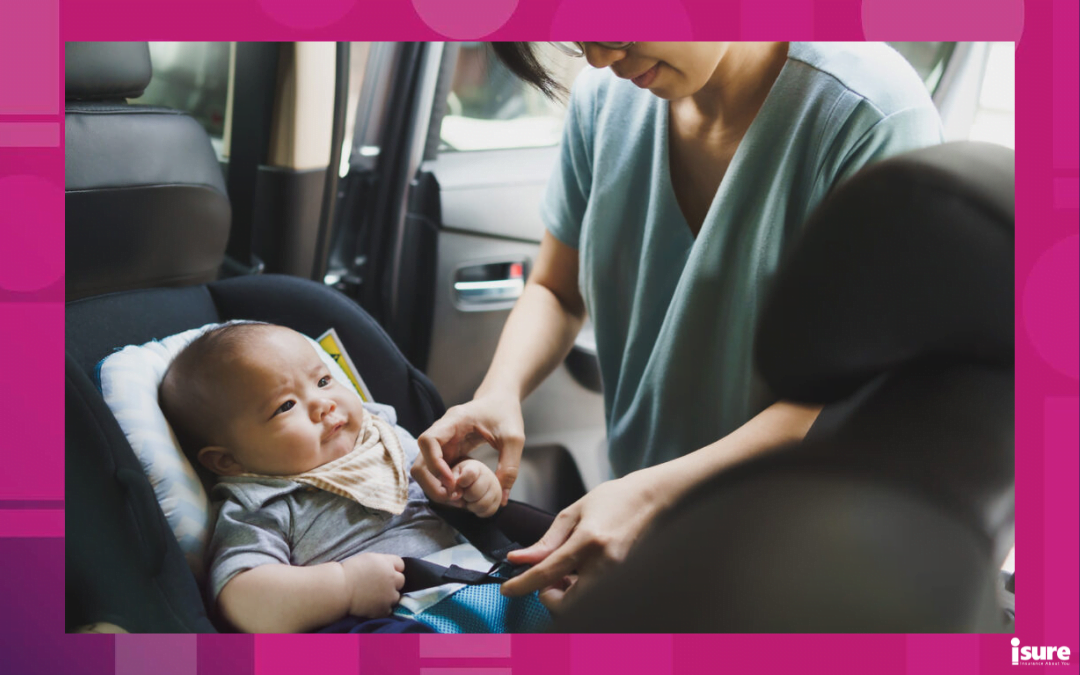
When it comes to your child’s safety, there is no cutting corners. Not only is this something all parents live by, but it is also the law! In Ontario, all drivers, including visitors, must ensure that their child, if under eight, is adequately secured. This includes the correct child car seat or booster seat. But how can you ensure your child is ready to transition from a car seat to a booster seat? How do you know when using only a seat belt is safe? For any new parent, this can be a tricky situation. Let’s review Ontario’s car seat laws and regulations below.
What Are the Three Stages of Car Seats?
When determining how your child should sit in your vehicle, consider dividing the process into three stages. Your child can graduate to the next stage when they reach a certain weight. Understanding each stage of protection for transporting your child is essential for taking them as safely as possible. There are three styles, or stages, of car restraints for kids:
Stage 1: Rear-Facing Car Seat
This position is safest for young kids as it supports their heads and necks. This support is crucial for younger children when you have to make a sudden stop. It’s also a legal requirement across Canada for all children, from birth until they reach a weight of at least 20 lbs. Most jurisdictions have even more stringent requirements. Once your child reaches a weight of 20 lbs, your child can graduate to the second stage, which is a forward-facing seat.
Stage 2: Forward-Facing Seat
The child is now in the same direction as the rest of the passengers. This type of car seat is equipped with a five-point harness. The minimum requirement for children to use a forward-facing car seat is when they weigh between 9kg and 18kg (20lbs – 40lbs). This type of seat installation must always be with the rear tether strap in use so that it doesn’t lift away from the car’s seat back in a crash. Once your child reaches 40lbs, they can graduate to a booster seat!
Stage 3: Booster Seat
A booster seat is similar to a car seat. However, it is used with the car’s built-in seat belt. It’s recommended to put this off for as long as possible by waiting until your child is at least 40 lbs. This is because the seat is no longer working to keep your child safe at this stage. Instead, the booster ensures that the seat belt follows the correct path and properly fits your child. Maturity is essential when it comes to using a booster seat. This is because a child must be able to sit correctly for the whole car ride, even if they fall asleep.
Drive with Confidence
Request your free car insurance quote now and get the coverage you deserve.


Proper Fit for a Booster Seat
- The shoulder strap must sit squarely on the child’s shoulder, not climbing up onto the neck.
- The lap belt should fall low across the hips, not higher onto the torso.
- Most booster seats require your child to be consistently 40 lbs, 40″ tall, and at least four years old.
- It also requires a proper belt fit, which may not happen until the child is larger.
For best practice, in addition to the car seat laws in Ontario, your child must be old enough to be responsible for their safety since they need to sit in the correct position at all times, including while sleeping (generally ages 6+).
Benefits of a Booster Seat
A booster seat raises your child so that the adult seat belt works more effectively by correctly positioning the seat belt across the child’s body. Booster seats protect them against serious injury 3 ½ times better than seat belts alone. A lap and shoulder combination belt must be used with all booster seats. The top of the booster seat, vehicle seat, or headrest must support your child’s head. The shoulder strap needs to be centred across the child’s collarbone, and the lap portion of the seat belt needs to be low on the child’s hips, touching the tops of their thighs. 30% of kids in booster seats do not meet the minimum 40lb requirement. It is crucial that this requirement is met, or else your seatbelt will not be beneficial!
Stage 4: Front Seat and Seat Belt
Children must meet the height and weight requirements to sit in the front seat. The main reason is airbags. Airbags protect adults in a crash but can be deadly for children. An airbag deploys at 210 km/h, and for a child who is not tall enough or heavy enough, this can cause head, neck, and spine injuries. Transport Canada says children under 13 should be in the back seat, where they have better protection from the front airbags. Even with the proper use of seatbelts, the force of an airbag can be too much for a child’s smaller and more fragile body.
Height and Weight Requirements in the Fourth Stage:
- At least age of 8, or weight of 80 pounds (36kg) and height of 145 cm (4 feet, 9 inches).
- The seat belt should fit snugly across the hips and chest.
- The child should be able to bend their knees comfortably at the end of the car seat.
- The child should be able to sit upright and still throughout the car trip. If they can’t, they should remain in the booster seat even if they meet the age or height and weight requirements to sit in the front seat.
- Ontario laws hold the driver responsible for the safety of children under 16.
- It’s recommended that the child stay in the back seat until age 13 to avoid the risks of active airbags.
It’s vital to ensure your child meets the height and weight requirements before sitting in the front seat. Airbags are lifesavers for adults but can be deadly for children if they deploy forcefully. Properly using booster seats and seatbelts will also increase safety, as ill-fitting seatbelts can fail to protect in an accident. Following these guidelines meets Canadian laws and gives you peace of mind that your child is safe and secure on every drive.
Transport Canada studies and regulations state that children under 13 are safest in the back seat, reducing their risk of injury by 75% in crashes.
Tips to Keep Your Kids Safe
To ensure your child’s protection while travelling in a motor vehicle, follow these tips from kidsplaysafe.ca:
- Use the right car seat for the child’s height, weight, and development.
- Always follow the manufacturer’s instructions and read your vehicle owner’s manual for correct child car seat installation and use.
- Secure the child correctly. Make sure the harness straps are flat and snug. Always use a tether strap with a forward-facing child car seat.
- Keep children away from all active front airbags. Children 12 years of age and under are safest in the back seat.
- Every child car seat and booster seat sold in Canada has an expiry or applicable life date and should not be used if it has passed the date.
When Can a Child Legally Sit in the Front Seat in Ontario?
According to the Highway Traffic Act in Ontario, car seat laws suggest that children eight and older are only safe to sit in the front seat. The child must meet specific height and weight requirements. The child must weigh 36 kilograms (80 lbs.) or more and be 145cm (4 feet 9 inches) tall or taller.
It is important to note that age generally isn’t a factor when it comes to whether or not children can sit in the front seat. With this in mind, even if legally able to, most children are deemed safer in the back seat of a vehicle up until the age of 13, even if they are legally able to sit in the front.
Bundle All of Your Policies for Maximum Savings!
Speak with an isure broker to find out how.
Final Thoughts On Ontario Car Seat Laws
Transitioning from car seat to booster to seat belt is a huge milestone in your child’s development, so don’t rush them into the next stage too quickly. Not only is it dangerous, but if caught driving with your child when they are not in a proper seat for their weight, it can result in a fine of up to $1,000. Adhere to recommendations regarding height, weight, and behaviour models to keep your child as safe as possible. Also, when purchasing a car seat, look for the National Safety Mark label.
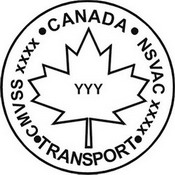
This means that the seat and manufacturer meet the government guidelines for safety. While you do not need to register the individual seat with a governing body, you should register with the manufacturer so that you are notified of any recalls.
Remember, never gamble with your child’s safety. If you’re in the market for a car seat or booster seat, why not check out our articles on some of the best in the market for 2024? While you’re at it, consider whether or not your car insurance still meets your needs. If not, why not check out isure? We offer some of the best premiums on the market, along with customer service you can always count on. Don’t hesitate to reach out to us today!

Unsure what car seat to buy for your little one? Read more
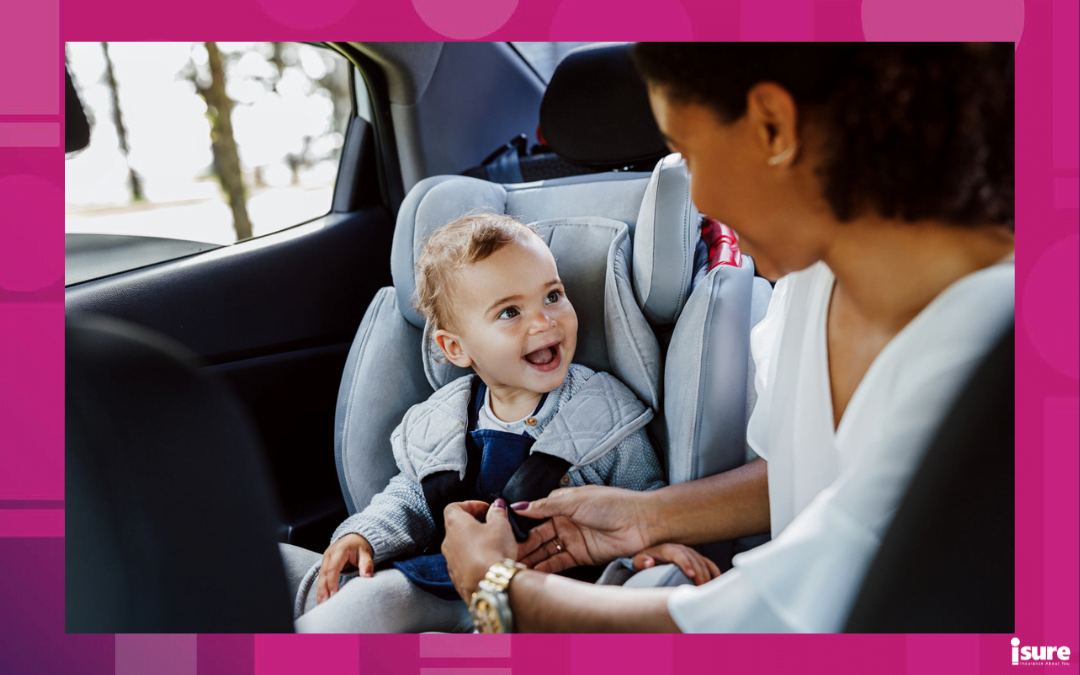
Finding a booster seat for your child can be difficult. Read more
The number of driver-assistance safety features available to car buyers Read more