No one wants to experience a car accident, but knowing your auto insurance policy covers damages can offer some relief. However, what happens if you’re the one responsible for the accident? In Canada, certain auto insurance coverages are mandatory, including Direct Compensation Property Damage (DCPD), Third-Party Liability (TPL), and Accident Benefits. However, collision coverage is optional—an add-on that provides additional financial protection. This guide will help you understand collision insurance in Ontario, how it works, and whether it’s the right choice for you.
What is Collision Insurance in Ontario?
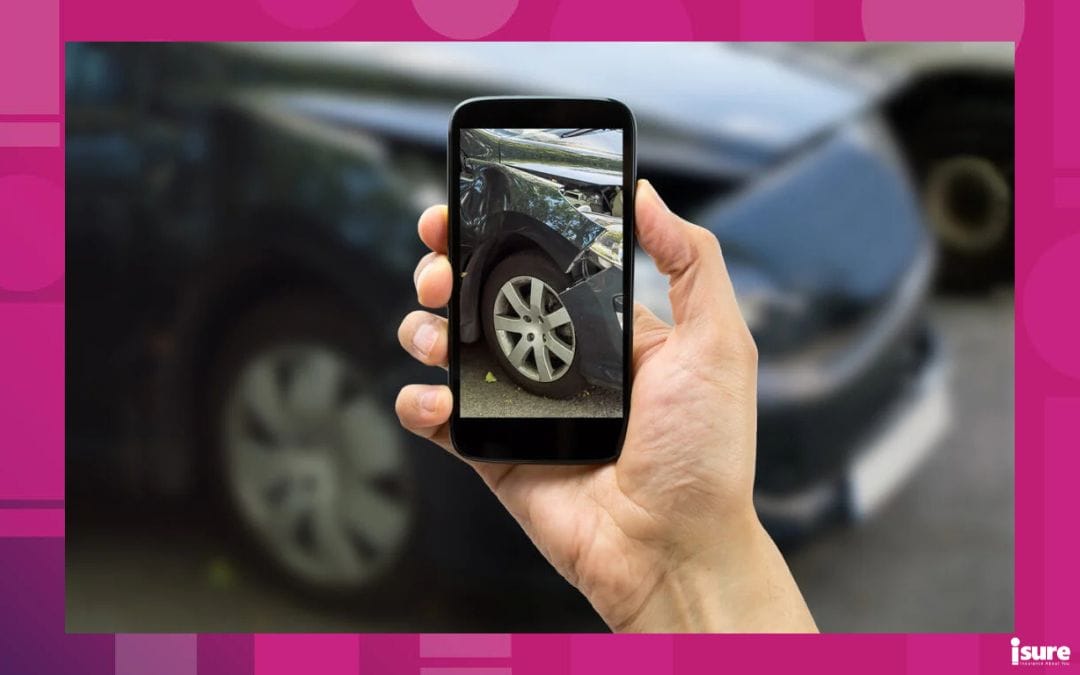
Collision coverage is an optional type of auto insurance that covers repair or replacement costs if your vehicle is damaged in an accident involving another car or object. Unlike some coverages, collision insurance applies regardless of who is at fault.
What Does Collision Insurance Cover?
Collision insurance covers damages resulting from:
- A crash with another vehicle
- A rollover accident
- Hitting a stationary object, such as a guardrail, street sign, or garage door
It is important to note that collision insurance is separate from mandatory coverages like:
- Direct Compensation Property Damage (DCPD): Covers repair costs when you’re not at fault for an accident in Ontario.
- Third-Party Liability (TPL): Covers damage to another person’s vehicle or property if you are at fault.
Note: If you are leasing or financing a vehicle, collision coverage is typically required by the lender.
What Doesn’t This Coverage Cover?
While collision insurance covers at-fault accidents, it does not provide protection against damages caused by non-collision incidents. These types of damages are typically covered under comprehensive insurance, which includes:
- Fire
- Theft
- Vandalism
- Weather-related damage (e.g., hail, flooding, falling tree branches)
Factors That Influence Collision Coverage
Although collision insurance is optional, it offers valuable protection. Consider the following factors when deciding whether to add it to your policy:
- Daily commute: Frequent driving increases accident risk, as well as highway use.
- New or young drivers: Less experienced drivers may benefit from additional protection.
- Road trips and vacations: Extended highway driving raises exposure to potential accidents.
- Urban vs. rural driving: City traffic congestion leads to a higher chance of collisions.
- Your ability to pay for repairs: If your vehicle is costly to repair, insurance can be a financial safeguard.
- Vehicle age and value: Newer or high-value vehicles benefit more from collision coverage.
Choosing the Right Collision Coverage for Your Needs
When deciding on collision insurance, consider:
- Vehicle Value: If your car is worth $1,000 and your deductible is $1,000, coverage may not be necessary.
- Financial Situation: Can you afford out-of-pocket repairs?
- Driving History: If you’ve had previous accidents, collision insurance can help cover future claims.
- Deductible Options: Deductibles typically range from $500 to $1,000. A higher deductible lowers premiums but increases out-of-pocket costs in case of an accident.
Key Deductible Considerations:
- Age and price of your vehicle
- Your driving experience
- Other occasional drivers on your policy
Collision vs. Comprehensive Coverage: What’s the Difference?
Both collision and comprehensive coverage are optional add-ons, but they protect against different risks:
- Collision Insurance: Covers repair or replacement costs if your vehicle is damaged in an accident with another vehicle or object.
- Comprehensive Insurance: Covers damages from theft, fire, vandalism, and environmental hazards (e.g., storms, floods, falling objects).
How This Coverage Works in Different Scenarios
- At-fault accident with collision insurance: Covered after you pay your deductible.
- At-fault accident without collision insurance: You pay out-of-pocket for all repairs or vehicle replacement.
- Not-at-fault accident with collision insurance: Fully covered.
- Not-at-fault accident without collision insurance: Covered through DCPD or the at-fault driver’s TPL.
- Hit-and-run incident: Only covered if you have collision insurance.
How Much Does Collision Insurance Cost?
Premiums vary by insurer and depend on factors such as:
- Vehicle make & model
- Driving record
- Where you live
On average, collision insurance adds 10% to 20% to your total auto insurance premium.
Is Collision Insurance Worth It?
Although not mandatory in Ontario, collision insurance is a valuable part of your auto policy. Weigh your vehicle’s value, financial situation, and driving habits before deciding. Need help understanding your options? Contact an isure representative today to explore the best collision coverage for your needs.

Being involved in an accident can be stressful. Once the Read more

Comprehensive auto insurance will help cover the cost of damages Read more

In Ontario, part of the no-fault auto insurance system includes Read more