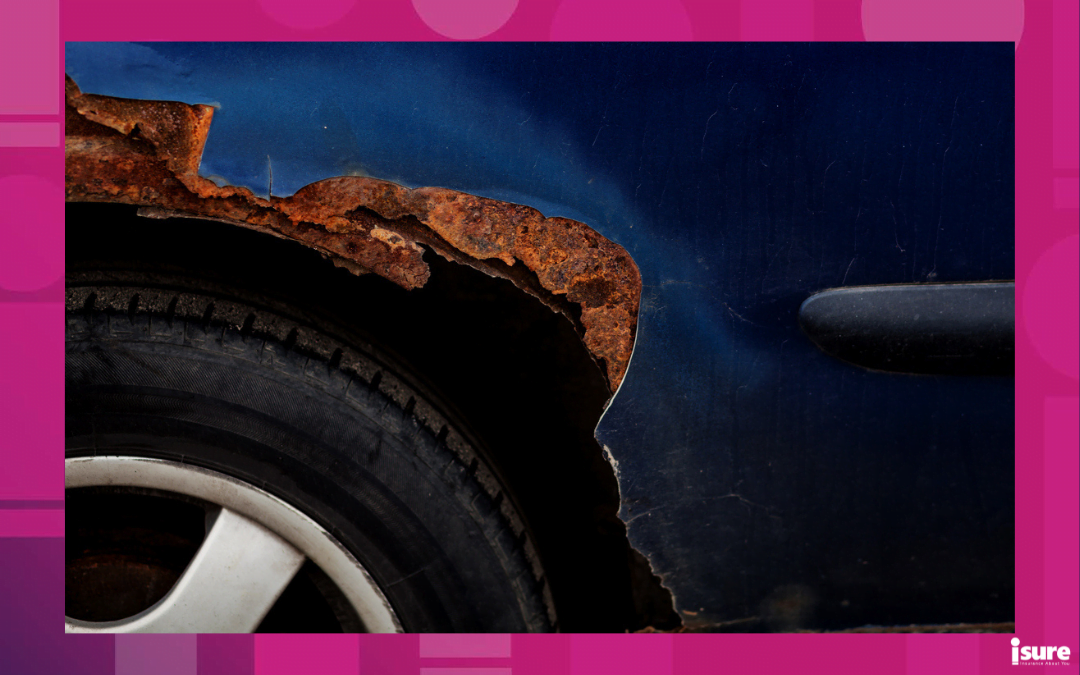
Rust is every vehicle owner’s worst enemy—especially in Canada. The harsh winter conditions, combined with the heavy use of road salt, create the perfect storm for corrosion. If you live in Ontario or anywhere else with long, snowy seasons, you’ve likely seen rust take its toll on cars and trucks over the years. But there’s good news—rustproofing your vehicle is a highly effective way to prevent rust and prolong the life of your investment. In this comprehensive guide, we’ll cover everything you need to know about rustproofing: what rust is, where it forms, how to prevent it, and whether rustproofing is really worth it for your car.
What Causes Rust on Cars?
Rust forms when iron, oxygen, and water react—an inevitable process when metal is exposed to moisture. While surface rust might seem minor, it’s often just the beginning. Oxidation can start inside the panels of your vehicle and spread outward over time.
In Canada, road salt exacerbates the problem. According to Statistics Canada, over five million tons of salt are used on Canadian roads each winter. This de-icing salt speeds up corrosion and can damage even the most rust-resistant alloys used in modern vehicles. That’s where rustproofing steps in!
Common Areas Where Rust Appears
To catch rust or iron oxide early, it’s important to know where to look. The addition of salt, climate, and poor car maintenance also all play a role in creating rust on vehicles. Here are the most common areas where rust tends to form on a vehicle:
Rust Underneath Your Car
- Frame Rails: These run underneath both sides of your vehicle and are frequently exposed to road salt and moisture.
- Wheel Wells: These areas are especially prone to rust, particularly in older vehicles without arch liners.
- Exhaust System: Your tailpipe is vulnerable to both internal moisture buildup and external road debris.
- Suspension Components: These parts are near your tires and often exposed to flicked-up dirt and water.
Rust Around Your Vehicle
- Trunk Floor: Pull up carpeting to check for signs of rust underneath.
- Windscreen Edges: Leaks around glass can lead to corrosion over time.
- Doors and Door Frames: These areas collect moisture and are common rust hotspots.
Watch for bubbling paint, water puddles inside your car, or mismatched paint—all indicators of potential rust or past repairs.
Types of Rust on Vehicles
Understanding the different stages of rust can help you address the issue before it gets worse:
- Surface Rust: Appears on paint scratches and chips. Easily treatable if caught early.
- Scale Rust: Occurs when surface rust is left untreated, leading to corrosion and flaking metal.
- Penetrating Rust: The most severe stage, this can affect your vehicle’s structural integrity and require expensive repairs.
What is Rustproofing and How Does it Work?
Rustproofing is a preventative treatment designed to shield your vehicle from rust. It involves applying a protective barrier to areas of the car that are most vulnerable to moisture and salt. There are three main types of rustproofing treatments available in Canada:
1. Grease-Based Rustproofing (Most Durable)
- Best applied within the first year of ownership.
- Provides lifetime protection with minor touch-ups after 5–6 years.
- Usually done at dealerships or specialized workshops.
- Higher upfront cost, but long-term value.
2. Oil-Based Rustproofing (Most Popular)
- Affordable and widely available.
- Requires yearly reapplication for best results.
- Involves drilling access holes into the frame to treat hidden areas.
- Most effective for ongoing protection, especially in winter climates.
3. Electronic Rust Protection (Least Reliable)
- Uses a low-voltage current to stop rust formation.
- Effectiveness is debatable, especially since cars have non-metal components like plastic and rubber.
- Can drain the car battery and offers inconsistent results.
Rustproofing vs. Undercoating: What’s the Difference?
Many new vehicles come with a factory-applied undercoating—a hard protective layer sprayed onto the undercarriage. However, over time, this coating can chip or crack, potentially trapping contaminants and moisture beneath it.
Rustproofing, in contrast, is a flexible treatment applied after manufacturing, targeting areas that undercoating might miss. Experts often recommend skipping undercoating and instead washing your undercarriage regularly throughout the winter months.
Reasons to rustproof your vehicle
Rustproofing your car in Canada is more than just aesthetics. Damage from rust to your vehicle may compromise mechanical and electrical parts, leading to ensuing failure. If the potential cost of rustproofing has you hesitating, keep these points in mind:
- Longer life: Your car will last longer, putting off need to replace it sooner.
- Lower repair costs: Rust control products can prevent moving parts from seizing up, lessening the damage to your electrical system.
- Trade-in value: Rustproofing is a big selling factor that can boost your car’s resale value.
Consumer watchdog, Automobile Protection Association, suggests that drivers can expect rust after five or six years of ownership.
How Long Does Rustproofing Last?
Rustproofing isn’t permanent. For maximum protection, it should be done annually—ideally before winter to prevent salt damage, and again in spring to wash away residual contaminants.
Is Rust Damage Covered by Insurance?
In most cases, rust is considered normal wear and tear and is not covered under standard car insurance policies. However, if rust results from flood damage or improper repair work and you have comprehensive coverage, it may be eligible for a claim. You’ll need to provide proof of the cause to your insurance provider.
How Much Does Rustproofing Cost?
Rustproofing costs vary based on vehicle size and the type of treatment:
- Cars: $120 to $150
- SUVs and Minivans: $130 to $170+
While it may seem like an added expense, the cost is often far less than repairing major rust damage down the line.
4 Simple Tips to Prevent Rust on Your Car
Aside from rustproofing, here are four easy steps to help reduce rust risk:
- Wash and Wax Regularly: Especially in winter, to remove salt and grime.
- Touch Up Paint Chips: Prevent exposure to bare metal.
- Consider Aluminum Vehicles: Aluminum resists rust better than steel.
- Park Smart: Use covered parking or garages whenever possible.
Is Rustproofing Your Vehicle Worth It?
Whether rustproofing is worth it depends on how you use and maintain your vehicle:
- Snowbirds or seasonal drivers who store vehicles in winter may not need rustproofing—ask your isure broker about parking insurance options.
- Leaseholders or short-term owners may also skip rustproofing, as long as regular washing is maintained.
- Long-term car owners, especially in harsh climates, will benefit the most. Rustproofing can help maintain your vehicle’s appearance, performance, and resale value.
For additional peace of mind, ask your isure representative about the OPCF 43 – Waiver of Depreciation endorsement. It ensures your new vehicle retains its value in the early years of ownership.
Final Thoughts on Rustproofing Your Vehicle
Rustproofing your car in Canada is more than a cosmetic decision—it’s an investment in your vehicle’s future. If you plan to drive your car for more than a few years, preventing rust is essential to keeping it running safely and looking great. From oil treatments to grease-based solutions, there’s a rustproofing option for every budget and vehicle type.
Have questions about rustproofing or your insurance coverage? Contact an isure broker today—we’re here to help you protect your ride from rust and much more.
Just like you, your car needs a check-up once in Read more
As we brace ourselves for one of the snowiest winters Read more

We’ve entered the dog days of summer; the days are Read more