
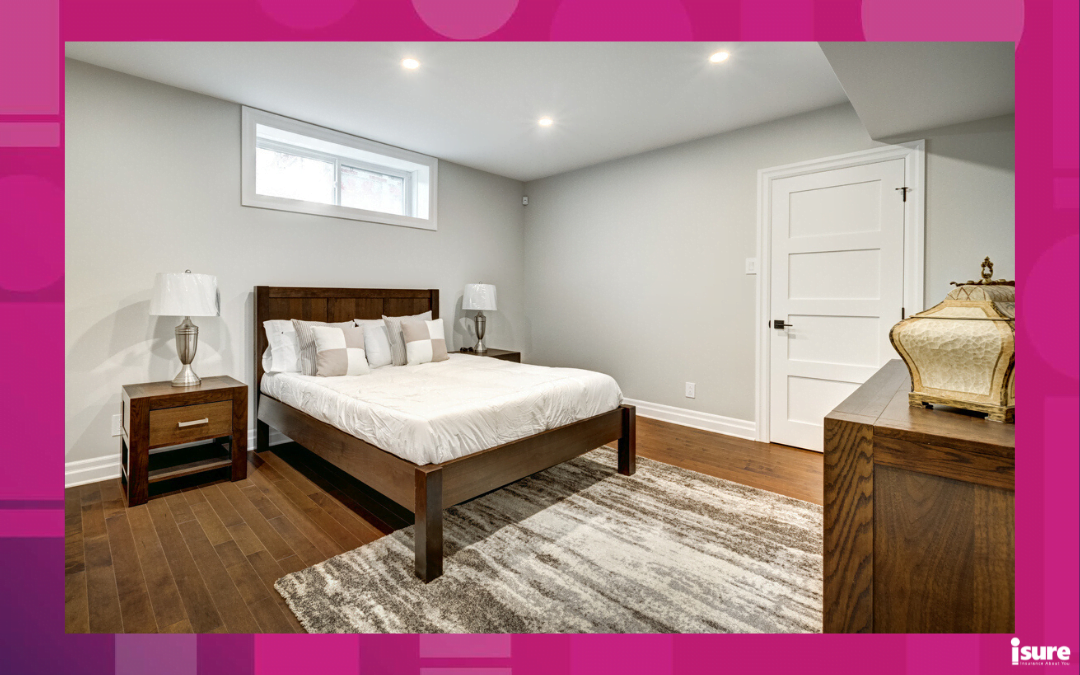
It’s not uncommon for first-time renters to initially shy away from renting a basement apartment. Many imagine a dark, damp unit with poor living conditions. However, this is very far from the truth! It may not sound too appealing, but in Canada, basements are usually quite nice and no different than any other part of the house. Also, many people start in basement apartments. This is especially true if you want to live near a city’s downtown, because basement apartments are usually less expensive than other types of rental units. Let’s take a look at the pros and cons of basement rentals, and if it’s the right fit for you.
What is a Basement Rental?
In Ontario, a legal basement apartment is a secondary unit that complies with the Ontario Building Code. An authentic basement apartment is located at least 50% below ground level in an apartment building or multifamily home. These types of units come with a unique set of benefits and downfalls—some of which you might not fully discover until you actually move in and go through your day-to-day routine. A legal basement unit must include:
- Minimum ceiling height of 1.95 metres throughout the living space.
- A separate entrance from the main dwelling.
- Egress windows in each bedroom with a minimum openable area of 0.35 square metres.
- Proper fire systems, smoke alarms, and carbon monoxide detectors.
- A full kitchen and bathroom that pass inspection and meet permit requirements.
These building code updates are intended to enhance safety, improve ventilation, and reduce risks from flooding, fire, and radon exposure. Below is a list of both the pros and cons attached to basement apartment living:
Pros of Basement Rentals
Basement Units are More Affordable
The best deals in some of the more centrally-located neighbourhoods are often basement apartments. If you are new to Ontario or a first-time renter, you are likely on a tight budget. Renting accommodations can be your most significant expense, accounting for 30-60% of your monthly budget. You can significantly reduce your monthly payments by renting a basement apartment, as this type of accommodation is typically cheaper than other rental options in Ontario. For instance, the average rent for a two-bedroom basement in Toronto is around $1,997 to $2,500 CAD per month.
Basement Rentals are Darker
While this may fall squarely in the column of cons for some, if you are on reverse schedules—like medical workers and first responders—you might benefit from renting an apartment that’s not too bright during the day so you can get some quality rest.
They’re Often More Spacious
While “basement” can imply “cramped,” many of these units have a reasonable amount of space, ranging from 600 to 1,000 square feet. “Because basement apartments are often under single-family homes, you’ll likely get more space than you would in a multi-family unit,” says Jeremy Wacksman, President at Zillow.
Fewer Rental Application Requirements
Most rental applications require you to have an established Canadian credit history or a letter of employment. However, since it takes newcomers time to get these, you may not qualify for many rental options you come across right away. Individual homeowners are likely to be more flexible with rental application requirements compared to corporate landlords of apartment buildings.
Privacy and Access
A basement apartment is legally required to have a separate entrance. You’ll typically be the only one using your entrance in a single-family property. Basement apartments also provide easy in-and-out access, usually via a single flight of stairs or no stairs at all if it’s a garden unit.
You can learn more about what a legal basement rental is and how to tell if it is up to code.
Cons of Basement Rentals
Keep in mind, though, that there can be a few potential drawbacks to living in a basement rental that you should be aware of:
It Can Feel Claustrophobic
The most significant structural con is that the ceiling can be much lower than in above-ground apartments. When combined with minimal lighting, it’s not an ideal living situation for those who prefer open, bright spaces. The darker space can lead to heightened anxieties, especially in people prone to claustrophobia.
Vitamin D Deficiency
If you are prone to vitamin D deficiencies or have mental health conditions worsened by long periods of darkness, perhaps this type of unit is not for you. Since basements often lack direct sunlight, renters may experience vitamin D deficiency. Not getting enough sunlight can also impact or exacerbate mental health conditions, such as depression or anxiety.
Basement Rentals Can Flood
While it’s always a good idea to get renters’ insurance, you should definitely opt for it if you’re in a basement unit. Without proper drainage, basement units can be prone to flooding. If someone above you has a leaky faucet or leaves their bathtub faucet running, the water can flood into your unit. If you live in a region with frequent heavy rain, the area will have a higher flood risk. Look carefully for signs of previous flooding before you move in, and store your belongings off the floor on shelves or in plastic totes in case there’s a flood.
Pests Can Be Problematic
Basement apartments are more likely to harbour insects, spiders, centipedes, and other household pests that can easily access ground-level areas. Leaving windows near ground level open for an extended period might be a bad idea. Mice, rats, and other animals might come in in search of food or warmth in the colder months. Plus, garbage cans might be placed close to your window, which means some not-so-great smells can waft in.
If you have allergies or odd working hours, it’s essential to learn a bit about the people you are sharing the home with. Pets, young children, and the number of people living above you are important considerations when deciding on a basement apartment.
Basement Rentals Can Get Noisy
Since noise insulation between the first and basement floors may be lacking, noise from your neighbours could be a problem. These units may be noisier than other units, especially if they face the street or the building entrance. Being near a shared laundry room or utility areas, such as a water heater, may increase noise or foot traffic outside your door.
Potential for Mould Problems
Since basement apartments are often partially or fully underground, moisture can seep in through cracks in the foundation. As a result, mould can grow behind or on walls, ceilings and floors. When viewing the unit, ask whether it has been tested for mould if there is a musty smell. Basements are prone to humidity because they receive less sunlight and have less air circulation. which can be a health hazard if you are someone who has asthma or allergies. You will need effective insulation or a reliable humidifier to prevent humidity issues. In addition, the presence of radon gas can increase the chances of lung cancer. An airtight basement apartment with insufficient ventilation can increase the risk of radon exposure.
You May Not Have an Outdoor Space
Usually, a basement rental doesn’t come with a patio, and, of course, there’s no balcony. You may find that some landlords allow shared outdoor space with other tenants, but that is a consideration if you have small children or pets. On another note, some landlords may not allow pets of any kind, a deal-breaker for many with fur babies.
Cool Temperatures
You may experience more severe temperature shifts during warm and cool seasons. While a basement apartment can be a fabulous retreat in the summer, it may be harder to keep warm in the winter.
Security and Safety
Units must have adequate emergency exits and proper accessibility during a fire or another emergency. Without it, you may be at a higher risk of injury or death due to not being able to get out in time if evacuation is necessary. Ensure your basement apartment is accessible and complies with local fire codes and city regulations. Basement rentals are easier to access than units on a higher level in the building. Ensure that, when viewing a basement unit, the windows and entrances lock securely. If necessary, ask for a protective window grate or separate locks to be installed before signing any papers.
The bottom line on basement rentals is that they can provide you with a more affordable housing option. In an expensive rental market, such apartments have become increasingly popular. When you’ve found a unit that is right for you, remember to contact your isure representative to discuss the best insurance coverage for your unique protection needs.
Are You Renting? Keep Your Belongings (and Yourself) Safe.
Protect what matters most. Get your free tenant insurance quote today!



If you are considering renting a basement apartment, here are Read more

With rental prices at an all-time high, many Canadians are Read more