Tiny homes on wheels and foundations have become more popular in Ontario in recent years. With the pre-existing housing shortage exacerbated by the pandemic, housing prices for both ownership and rentals have risen sharply. If you’ve been curious about this new style of housing, we’ve researched everything there is to know about tiny homes in Ontario.
What is Considered a ‘Tiny Home’?
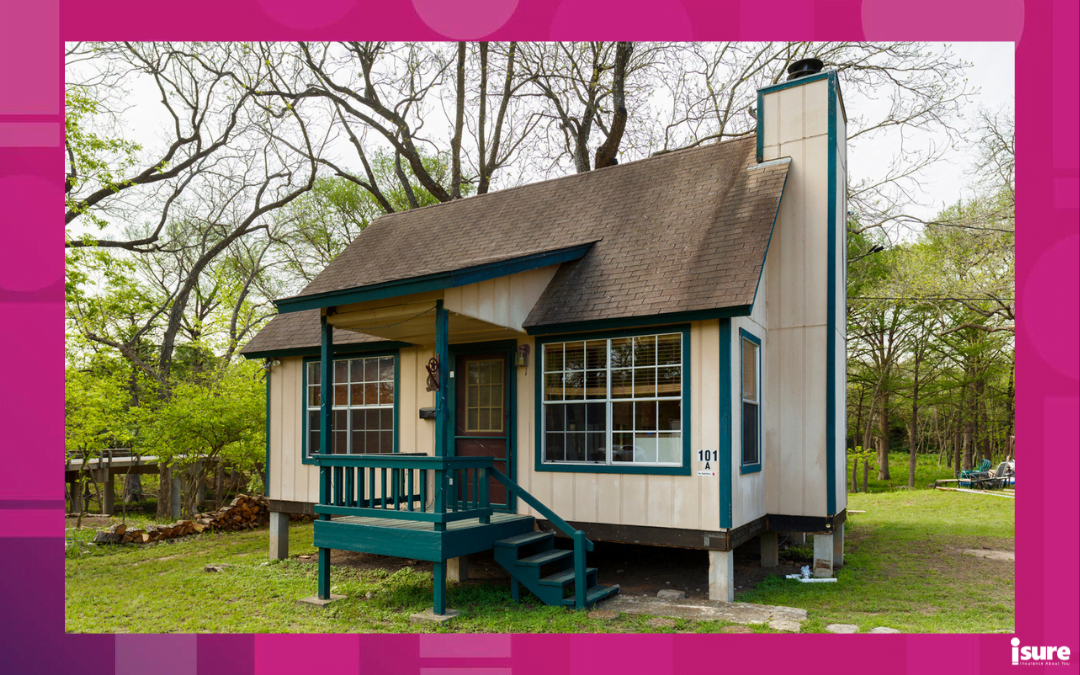
While opinions differ on what constitutes a tiny home, most people agree it’s smaller than about 450 square feet. A tiny home does not necessarily have to be on wheels. It can be on a foundation and can even have a basement. Campers, recreational vehicles, cottages, and other structures used seasonally are not considered tiny homes.
Tiny homes that are legal in Ontario must have:
- Square footage of over 188 sq ft. (or 17.47 sq. m.)
- A living/sleeping area, a bathroom with a shower or bath, and a cooking area with running water.
- Be built to the Ontario Building Code. This means no sleeping lofts lower than 6’10”, no ladders to access the second level (staircase only), fire safety, insulation, etc.
- A building permit from your municipality. They will review the house plans to ensure compliance with the Ontario Building Code and municipal by-laws.
Currently, many municipalities have minimum lot size, coverage, frontage, setback, and other requirements for residential buildings of any size, including tiny homes. Additionally, the Ontario government is encouraging people to build secondary dwelling units on their properties to increase housing supply and density. That means you can even get a permit to build a tiny home in Ontario on a property with another house on it.
The Four Types of Tiny Homes
1. Tiny Home on a Foundation as a Primary Dwelling
A tiny home on a foundation can be a legal primary dwelling if there are no minimum-size requirements, or if a typical tiny home meets them. Tiny homes on a foundation must also comply with local building codes, and a building permit is required.
2. A Tiny Home on a Foundation as a Secondary Dwelling
A tiny home as a secondary dwelling is legal in municipalities that permit detached secondary dwellings on lots with an existing primary residence. These are sometimes called Additional Dwelling Units (ADUs), Secondary Dwelling Units, laneway houses, coach houses, and garden suites.
If you are planning to renovate an existing, separate structure on your property, such as a garage, coach house or laneway house, you should contact your local planning and building departments for more information on how to proceed.
3. Tiny Homes on Wheels
Tiny homes on wheels are popular for their mobility and ease of transportation. While tiny homes can be built on foundations, most are built on trailers. This style of tiny house is often referred to as a THOW (Tiny House On Wheels).
4. Land Leasing
Land leasing is a faster, more affordable path to tiny home ownership for many people. These locations allow land to be leased or rented for a tiny home. This means it will belong to its owner, and the land belongs to a landlord or community. Locations with terms such as a prepaid 99-year lease are considered land purchases for this directory.
Places That You Can Put a Tiny Home in Ontario
- On an empty lot that you own. This is as long as the tiny home complies with all applicable building code requirements.
- Your backyard. Even in your backyard, you need a permit, as well as follow the building codes and bylaws.
- Tiny house community. There are several throughout Ontario.
- Your new home construction site. You’re allowed to live in a tiny home for up to two years on-site while your main house is being built.
- Cabin land. In some municipalities, extra living spaces are allowed on the same land.
Despite their size, tiny homes must still comply with the health and safety requirements of Ontario’s Building Code, municipal zoning and other local by-laws. They must also have necessary servicing, such as water and sewage.
Rental Opportunity: Adding a Tiny Home to Your Property
Many may see adding a tiny home to their property as a secondary dwelling, as a wise investment. The potential to add a rental property is appealing. However, before you proceed, it is essential to speak with your local municipal planning and building departments. They can tell you whether you can add one to your property and answer questions related to the Building Code, zoning and other by-laws.
Some of the crucial things you should talk to your municipality about as you consider building a tiny home include:
- Municipal zoning requirements that apply to your property
- Designing your tiny home to comply with the Building Code
- Getting the necessary building permits
- Required building inspections during construction
- Parking requirements
- Size requirements, if any
- Rules about connecting to municipal services, if available
To help you through the sometimes-complex approval and building process, we recommend you hire at least one of the following:
- Building Code designer registered with the Ontario government
- Professional planner
- Architect
- Engineer
Retaining one of these professionals with your builder can help you obtain all necessary approvals and building permits and arrange construction inspections.
Why are Tiny Homes in Ontario So Popular Right Now?
Since before the COVID-19 pandemic, Ontario has seen the cost of living steadily climb out of reach for many potential homebuyers. Large cities, such as Toronto and Ottawa, have become unaffordable for many. Additionally, small towns in Ontario are seeing an influx of big-city residents. This is effectively the cause of “pricing out” the small town and rural population from these homes. “Tiny homes are a great option for people who want to downsize and simplify their lives,” says Richard Fung, a home builder in Ontario, Canada. The trend towards small homes is being driven by a desire for simpler, more sustainable lifestyles. “People are realizing that they don’t need a lot of stuff to be happy,” he says. Tiny homes can also be custom-built to suit any budget and taste, making them appealing to people exploring downsizing.
Quick Facts About Tiny Homes in Ontario
- Tiny homes are legal in Canada
- Tiny houses cost $80- $200,000
- Friendly cities include Toronto, Quebec, Montreal and Vancouver
- They can either be built on-site or built in a factory and transported to the site
Here is a list of the types of tiny homes currently for sale.
What Are the Rules for Tiny Homes in Ontario?
As long as the tiny home follows all building codes, you can live in it year-round. The tiny home must be at least 188 square feet and comply with all applicable bylaws. If it is going to be in an urban or suburban area, it must have connections to municipal services, such as electricity and water. However, it is essential to remember that the structure must still comply with building code requirements to be a permanent dwelling.
What are the Limitations of Owning Tiny Homes in Ontario?
Along with less storage space, you’ll also have less living space. While tiny houses are spacious enough for one or two people, they may be uncomfortable for an entire family. There’s also a lot less privacy. You’ll be limiting the number of guests you can have over unless you have additional outdoor space for entertaining.
Can I Live in a Trailer on my Property?
No, an RV is generally not considered a residential building under the Ontario Building Code. Dwellings are defined as buildings “capable of being occupied as a home, residence or accommodation” and do not include hotels, motels, rooming houses, mobile homes, or RVs of any kind.
However, the Ontario Building Code guidelines also state that a structure on wheels may be considered a building if it’s fixed in place, connected to services, and properly permitted.
What Happens if You Build in Ontario Without a Permit?
An individual charged and found guilty of an offence under the Building Code Act, 1992, such as building without a permit, may be fined up to $50,000 for a first offence and up to $100,000 for subsequent offences. View Ontario’s Building Code information specific to tiny home construction.
Can I Rent Out My Tiny Home in Ontario?
Yes, owners of tiny homes are free to rent out their properties, just as you would if you own a traditional home. Should you decide to use your tiny home as a rental property, you will need customized insurance coverage designed to protect your short-term rental. Alternatively, if you intend to rent your tiny home out long-term, you will need a tenant and a lease agreement in place. Before listing your tiny home for rent, speak with one of our isure brokers to discuss insurance coverage.
Conclusion
Living in a tiny home can offer many benefits. You will spend less time cleaning and doing house stuff and more time living. Tiny homes are typically affordable to build and often don’t cost enough to qualify for a mortgage. Inexpensive and eco-friendly, the tiny home movement is gaining speed. Remember, if you are considering building a tiny home on your property or planning to move to a tiny home community, be sure to check with your insurer or isure representative. We can help you tailor your insurance to ensure you have adequate coverage, regardless of your home’s size or location.
Safeguard Your Home
Get a free home insurance quote today and protect what matters most.



Whether you're looking to rent out a space or rent Read more

Renting out your home or a secondary property can be Read more
Your cottage is one of your most valuable assets. If you Read more