
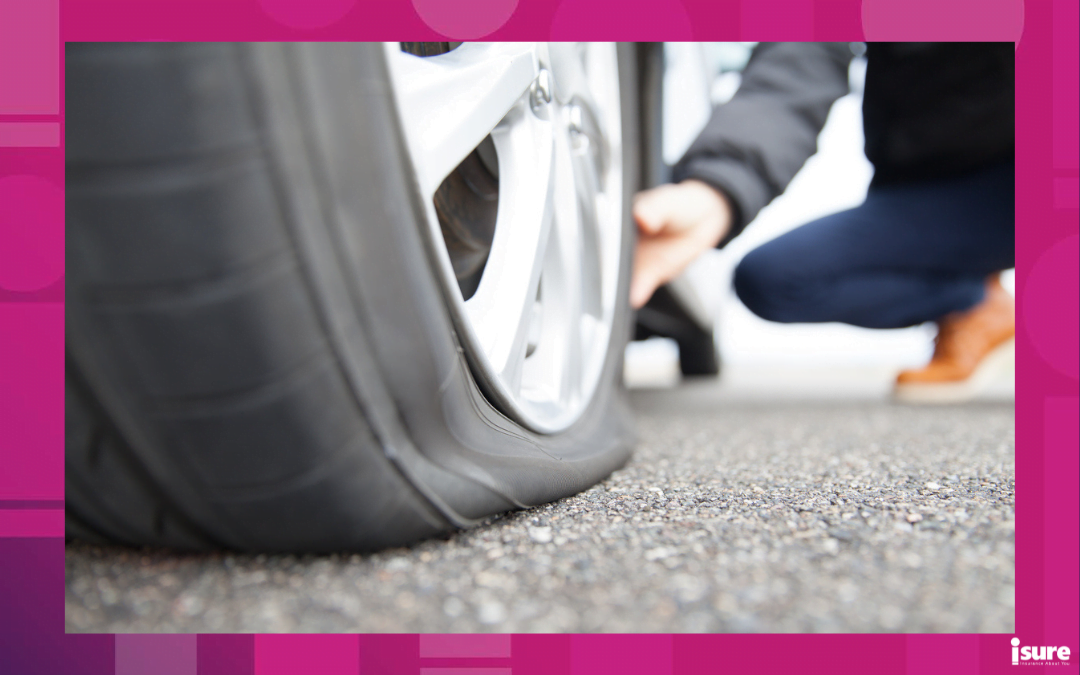
Flat tires can be a significant inconvenience, and often seem to happen out of nowhere. Most of the time, they happen when you’re in a hurry or have somewhere to be. In this article, we cover the leading causes of flat tires, what to do when they happen, and how you can prevent them in the future.
Bad Road Conditions
One of the biggest causes of flat tires is bad road conditions. To put it simply, the worse the quality of the road, the greater the likelihood you’ll get a flat. To avoid this situation, leave ample space between you and the car in front. Always drive slowly over uneven pavement. Between uneven roads, potholes, and unexpected debris, it’s hard to know what bad road conditions await your vehicle.
Valve Stem Leakage
A damaged and leaky valve stem can also cause flat tires. This damage often occurs when the valve stem is dirty or too old. If your tires have no obvious punctures, valve stem leakage is usually the cause of a flat. Visit your local tire shop or ensure your car has regular maintenance checks so the valve stem can be replaced, if needed.
Warm Temperatures Can Affect Flat Tires
As the weather heats up, it’s essential to know that these seasonal temperatures can sometimes cause flat tires. The air in your tires expands with heat, increasing the risk of a blowout or leak due to the tire’s internal pressure. Always avoid driving with overinflated tires, and maintain proper tire pressure in warmer temperatures.
Sharp Objects
As we mentioned before, it’s essential to be cautious and drive around any debris on the road (when it’s safe). Poorly maintained roads, parking lots, and construction sites are often home to sharp objects that can cause flats. Objects such as broken glass bottles, industrial staples, nails, garbage, sharp debris, or a screw can all cause flat tires. Drive carefully, be alert, and keep an eye out for any sharp objects on the road!
Tire Wear-and-Tear
As careful as we can be on the roads, sometimes the tire’s wear and tear is enough to cause a flat tire. If this happens to you, don’t beat yourself up about it. It’s entirely normal for tires to wear out over time. Even everyday driving will wear down your tires’ tread, increasing their risk of going flat and making them more susceptible to everyday driving hazards. Getting your tires aligned and rotated regularly, avoiding sudden stops and starts, and maintaining the recommended tire pressure for your vehicle are all ways to extend your tires’ lifespan.
Incorrect Inflation
Overinflating your tires can lead to serious injuries on the road due to internal damage. Visit a certified mechanic to have your tire pressure checked, or check it yourself with a tire pressure gauge like this one from Amazon. Checking tire pressure should be part of your monthly car maintenance routine. Tire pressure not only affects the risk of flat tires but also your safety while driving.
A Ripped Tire
A ripped tire can, of course, cause a flat. Checking your tires before you drive can help detect issues like this. Not only are ripped tires a hazard to you, but to other drivers, as well.
Over-Inflating Your Tires
Although it may seem silly, overinflating your tires can also cause a flat. Flat tires occur after the over-pumped tire pops. Filling your tires to the correct pressure and not over-pumping them is very important before driving.
Separation of the Tire From the Rim
When a tire separates from your car’s rim, slow leakage can cause a flat tire over time—rubbing against a sidewalk while parking or hitting a curb can cause this. Be mindful of your surroundings when in tight spaces to avoid this situation.
Vandalism
This final cause is improbable, but if someone decides to vandalize your car by puncturing your tires, they can also cause your tires to go flat. Unfortunately, a simple reinflation can’t fix this problem so that the tire will need repairs.
Does Your Insurance Cover Flat Tires?
Coverage on flats varies depending on the situation and its severity. However, when potholes have damaged your tires, have been slashed, stolen, or damaged in a collision with another vehicle, your Ontario auto insurance will typically provide coverage. However, it’s important to note that flat tires may cause you to have to pay your deductible on your insurance. So, unless it’s a serious situation, replacing your flat tires yourself at your own expense, using the tips we mentioned earlier, is your best bet.
We hope this article helps you understand the leading causes of flat tires and how to prevent them. If you need to make an auto insurance claim, please reach out to a member of our isure team today. Stay safe on the roads!

Take some time in March through June to do some Read more
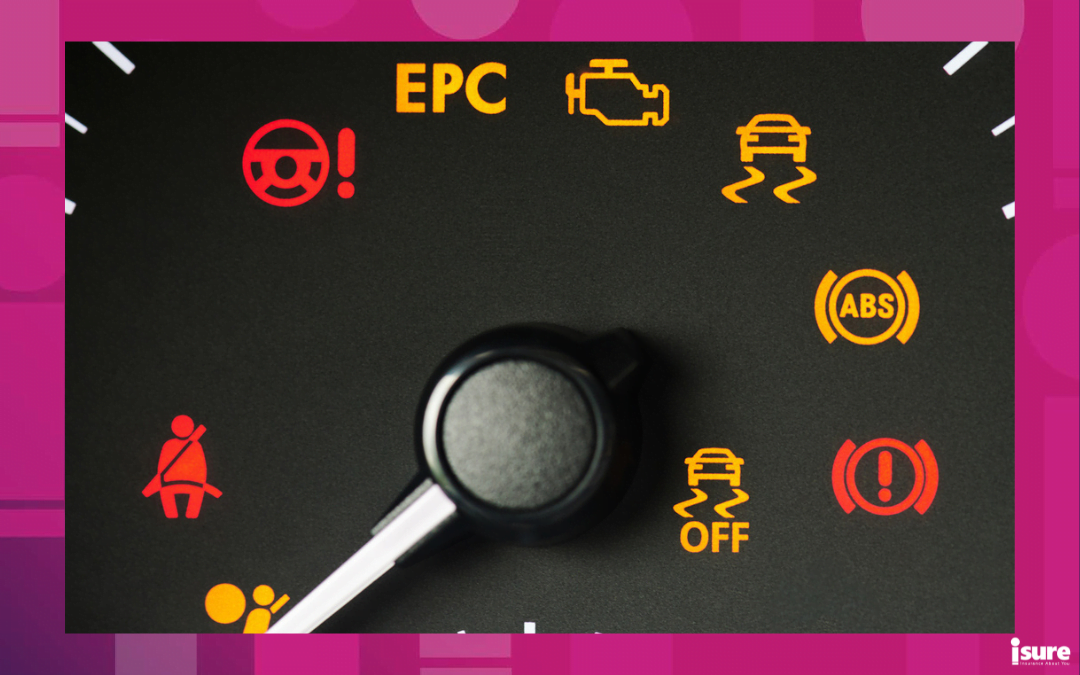
Here are some of the most important car maintenance lights Read more
Just like you, your car needs a check-up once in Read more