When the seasons change, our first thought when it comes to keeping our homes comfortable is to adjust the thermostat. However, did you know that humidity also plays a big part in your home’s comfortability? Additionally, controlling your home’s temperature levels plays a very important part in your well-being. So, how humid is too much? What happens if your home’s humidity levels are high? Here’s how to check your home’s humidity levels, why it’s important, and what you can do to manage it.
What is the ideal humidity level for your home?
When it comes to the humidity levels for your home, it is good to find the right balance. This is because both excessively high and extremely low humidity can affect your home’s well-being and your overall health and comfort. When it comes to the ideal humidity level, Health Canada recommends keeping the relative humidity (RH) in your home below 50% in the summer and between 30-35% in the winter.
We all know a home that is too humid is not a pleasant place to be. But, how does keeping your home humidity levels in check affect your home’s well-being?
Benefits of controlling the humidity of your home
High humidity can cause mould growth
With humidity comes moisture, and with moisture comes mould growth. Unfortunately, when you leave your home’s humidity levels too high, you’re providing the perfect breeding ground for mould to spread throughout your home. Not only is this going to lead to poor air quality, but mould in the home can also exacerbate or cause serious, or fatal, health problems down the line. On top of this, mould can result in permanent damage of your home. Always keep an eye out for moisture around windows and doors, as well as water spots on your walls and ceilings!
Humidity can damage electronics
Another way moisture and high humidity damage your home is by ruining electronics. High condensation levels can lead to electronics corroding and short-circuiting. Similar to how you wouldn’t put your electronics in water, you don’t want to have condensation developing within them, either. It is important to keep your electronics in a dry, cool area within your home.
Humidity can damage your furniture
Similar to electronics, you put your furniture at risk when you let your home’s humidity levels get too high. Drastic shifts in the humidity of your home can cause damage to your furniture, especially wooden flooring and furniture. High humidity and moisture can cause wood to warp and split over time. When this happens, you risk cracks developing. Make sure to keep your floors and furniture in top condition by keeping your humidity levels in check.
Approve allergy symptoms and other respiratory problems
If you suffer from seasonal allergies or other respiratory issues, you can drastically improve your systems by controlling your home’s humidity levels. This is because when your home is too moist or too dry, the air becomes less comfortable to breathe. By controlling the humidity levels in your home, you will reduce the risk of allergic reactions and potential asthma attacks.
Prevent dry skin
When your air becomes dry because your home’s humidity levels are too low, you can develop dry, itchy skin. This is common, particularly in the winter when the air in your home is dry and cold with minimal moisture. You may also be susceptible to nose bleeds because of this. If you want comfortable, hydrated skin, make sure your home’s humidity levels are kept stable!
Prevent virus transmission
On top of keeping your skin happy and healthy, controlling your home’s condensation levels can also have a significant impact on your overall health. When your humidity levels are too high, viruses, bacteria and mould can thrive. This will increase your risk of getting sick. Alternatively, having too low of a humidity level in your home can lead to respiratory issues, as mentioned above. This is why maintaining a stable humidity level in your home is so important!
How to measure your home’s humidity levels
It can sometimes be difficult to decipher if your humidity levels are too high (or too low!) Fortunately, there are some telltale signs that your room is too humid. Telltale signs, such as condensation on windows, can be an accurate depiction if your humidity is off. Other signs include feeling dehydrated or noticing dampness in fabrics around your home.
If you want to measure the humidity in your home, a hygrometer will be your best method of doing so. This is a device that measures the amount of water vapour in the air and is used often by those in the field of meteorological science. However, not everyone has one of these at hand! If you don’t have a hygrometer on hand, try contacting your local HVAC professional to test the levels in your home.
Alternatively, you can perform what is called the “ice cube test.” This test involves placing two or three ice cubes into a glass, then adding water and stirring. From there, wait three to four minutes. If moisture does not form on the outside of the glass, your air is too dry and you may need to increase the humidity in your home. If condensation has formed on the outside of the glass, the condensation levels in your home are likely too high.
How to control humidity and moisture in your home
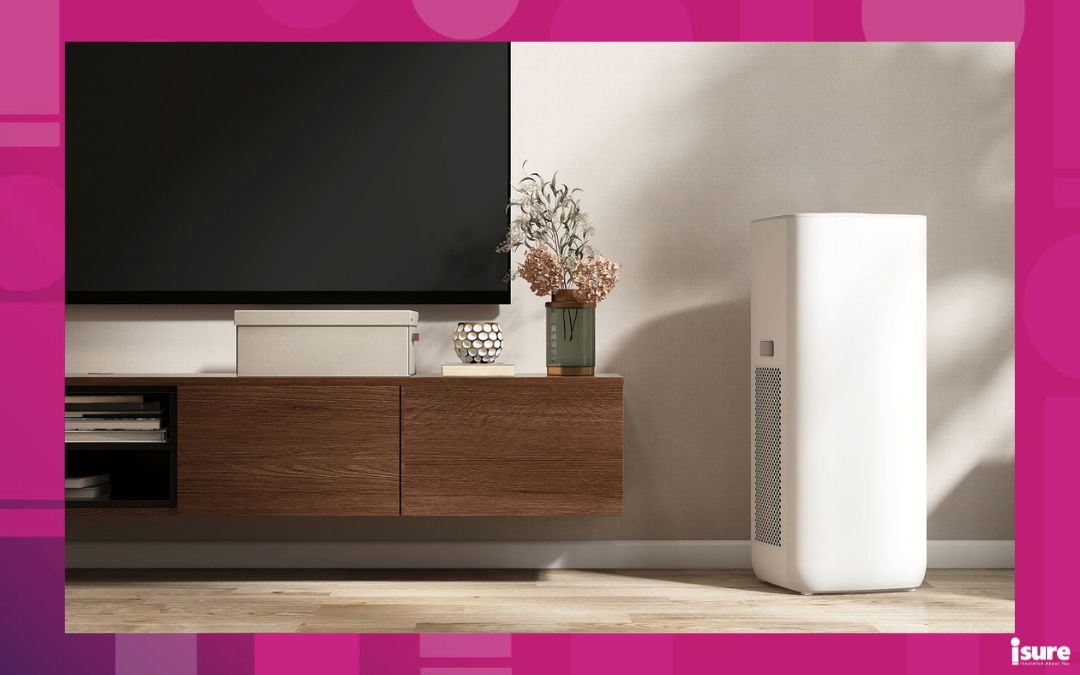
Fortunately, adjusting the humidity in your home is quite a simple task. Devices, such as humidifiers and dehumidifiers, are excellent for adding and removing humidity in your home. Just be sure to use the proper one! Also, they are decently priced! It is recommended to use humidifiers during the colder months when the air is drier than usual. On the other hand, dehumidifiers are crucial in the warmer months when the weather is warm and the air is more humid. Having a dehumidifier in your basement is crucial, as basements tend to remain damp and collect lots of condensation.
Keeping your home’s humidity levels in check is a great practice when it comes to the well-being of yourself and your home! Keeping your home safe and secure is of utmost importance, and having an adequate home insurance policy is also necessary. Contact us or request a quote today!

Concerned about finding mould in your home? Honestly, you should Read more

Currently, more than 1.5 million households across the country remain Read more

Having sewage backing up your pipes into your home or Read more