
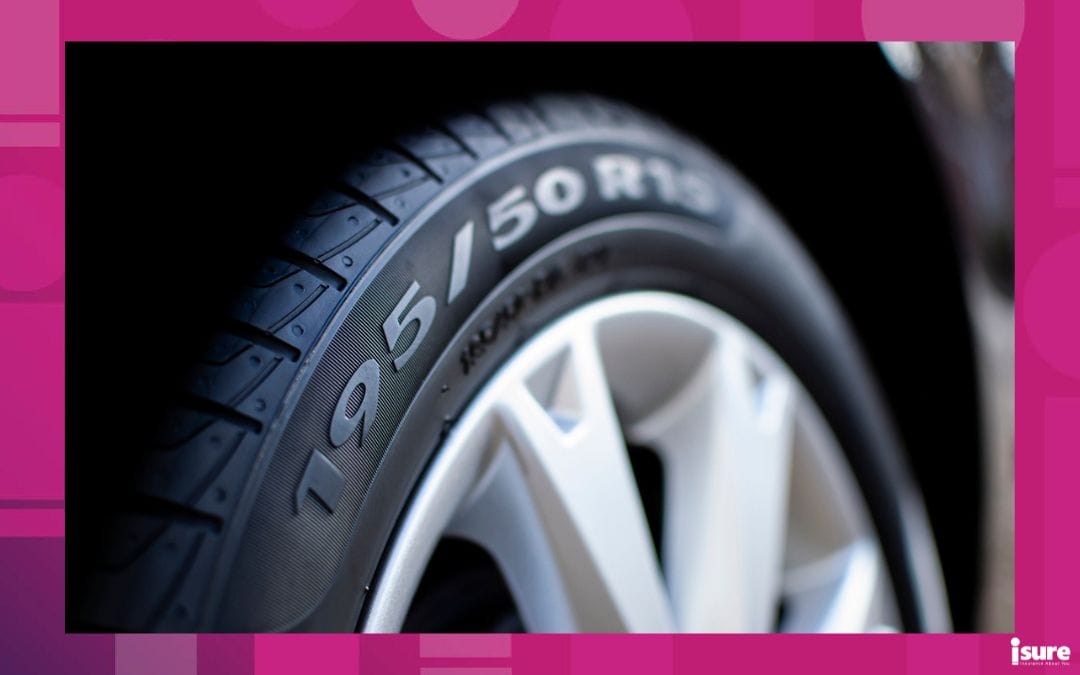
If you look closely at the sides of a tire, you’ll notice a series of numbers, letters, and symbols. These symbols provide essential information about the tire’s size, performance, and capabilities. Above all, understanding these details can help you choose the proper tire set for your vehicle, ensuring your safety and improving your vehicle’s performance. So, if you are in the market for new tires and are curious about what these tire markings mean, we’ve broken it down for you below.
Reading Tire Markings: A Breakdown
The most prominent marking on a tire is a combination of letters and numbers broken up into sections. We share an example below: 215/55R17 94W. Here’s what each part means:
Tire Letters
The letter (typically before the entire number) indicates which type of vehicle the tire is intended for. It may not always be visible on a tire, but you may see some of these common letters:
- P: Passenger vehicle.
- LT: This set of letters stands for light trucks. It is meant for larger vehicles that can carry heavier loads.
- ST: This type of tire is designed for special trailers or trailer-type vehicles.
- T: The T stands for temporary, which signifies a spare tire.
- XL: This signifies that the tires were made for a vehicle that can carry an extra load.)

Photo: isure.ca
Tire Width
The number in this example, ‘215,’ signifies the millimetre tire width from sidewall to sidewall.
Aspect Ratio
55 in this example of tire markings shows the tire’s aspect ratio. The aspect ratio is the height of the sidewall as a percentage of the width. In this case, the height is 65% of the 215mm width.
Construction Type
The letter ‘R’ shows the tire’s construction type. “R” stands for Radial, the most common type, where layers of fabric run perpendicular to the direction of travel. Other types of tire markings in this category include D (Diagonal) and B (Bias-belted).
Rim Diameter
17 in our diagram marks the diameter of the wheel (rim) that the tire fits. Measurements are in inches.
Load Index
94 shows the tire’s load index, which is the maximum weight capacity the tire can hold.
Speed Rating
The letter ‘W’ shows the tire’s speed rating, which defines its maximum speed capacity (H = 130mph, V = 149 mph).
Other Important Tire Markings to Note
In addition to the tire markings above, here are some others that will show up on your tires:
Brand and Model
Here, you will find the manufacturer name and tire range. These markings help identify the tire’s proper use, performance characteristics, and compatibility with specific vehicles.
Tubeless vs. Tube Type
The tube type or tubeless marking on a tire indicates whether it requires an inner tube.
- “Tubeless“ means the tire’s design holds air without an inner tube, making it lighter, more fuel-efficient, and less prone to puncture blowouts.
- “Tube Type“ tires must fit with an inner tube and are typically used in specific applications, such as older vehicles or certain motorcycles.
Max Load and Pressure
These tire markings are under “MAXLOAD“ and “MAX PRESS,“ but always follow the manufacturer’s recommended pressures. In other words, the Max Load and Pressure marking on a tire indicates the maximum weight the tire can support and the highest air pressure it can safely hold.
Tire Markings: Manufacturing Date Code
Next, the tire’s manufacturing date code is part of the DOT code and shows when the tire was produced. It consists of four digits, the first two representing the week and the last two representing the year. Therefore, checking this code is essential because tires degrade over time, even if they haven’t been used!
Wear Indicator Tire Markings
Another sign to look for is wear indicators. Wear indicators are small raised bars inside the tire’s tread grooves. They are designed to show when the tire has worn down to its minimum safe depth. Once the tread is level with these indicators (typically 1.6mm high), the tire should be replaced to maintain traction and safety.
Winter & All-Season Tire Markings
Winter and all-season markings on a tire indicate its suitability for different weather conditions. The 3PMSF (Three-Peak Mountain Snowflake) symbol means the tire meets certified winter performance standards. This marking means that specific tires provide reliable traction in snow and ice. Next, the M+S (Mud & Snow) marking suggests all-season capability.

Original Equipment (OE) Tire Markings
OE (Original Equipment) markings on a tire indicate that it was designed and approved by a vehicle manufacturer for a particular model.
Conclusion
Furthermore, tire markings provide crucial information for selecting and maintaining the right tires for your vehicle. Understanding size, speed ratings, or manufacturing dates ensures a safer and more efficient driving experience. Also, please always check your owner’s manual or consult a tire professional. Don’t hesitate to contact us with any questions about your vehicle or auto insurance policy.

Would you wear flip-flops in the snow? The answer is Read more

Winter tires can increase stability and traction in colder temperatures, Read more
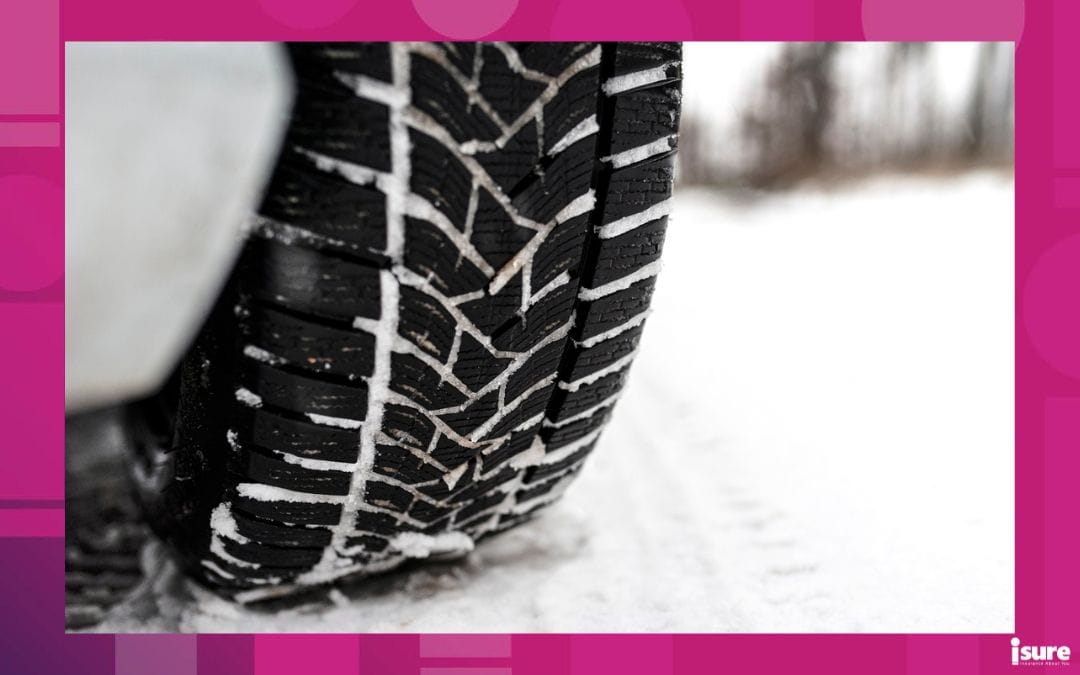
Find budget-friendly winter tires that offer both affordability and reliability. Read more