

Thinking of installing an electric vehicle (EV) charger at home? You’re not alone. With EV ownership on the rise in Ontario and across Canada, more drivers are exploring convenient and cost-effective home charging options. Whether you’re navigating Level 1 vs. Level 2 charging, wondering about outdoor installation, or calculating the impact on your electricity bill, we’ve got the answers. In this comprehensive FAQ guide, we cover everything you need to know about charging your electric car at home—plus a few pro tips to help you get the most out of your EV investment.
Can a Level Two home charging station be installed outside?
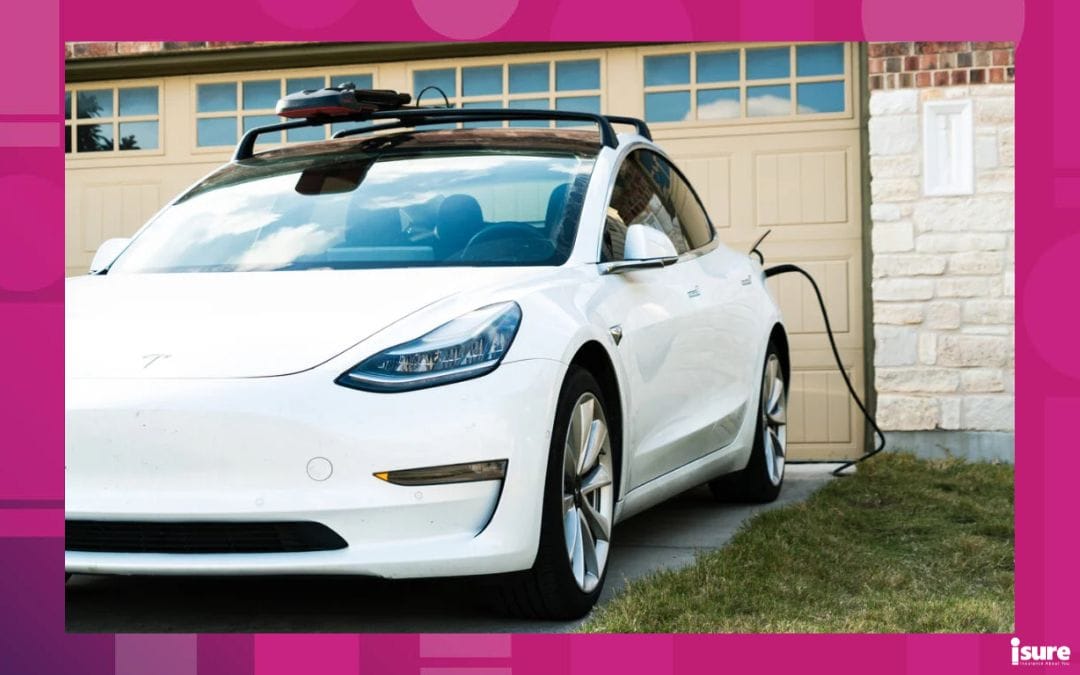
Most home charging stations are made for indoor and outdoor installation and work well from -30°C to 50°C (-22°F to 122°F). If you plan on charging outside, we recommend that you verify this aspect since some chargers are only made for inside purposes. Among the weather-proof units, their levels of resistance will also vary depending on how extreme the climate is. So, if you live in an area that is exposed to icy winter conditions, heavy rain, or strong heat, make sure to choose a home charging station that can handle these types of extreme weather conditions. Choosing a home charging station with a flexible cable is the best option to manipulate it in colder climates.
Can you charge an electric car with a normal plug?
The short answer to the question is: Yes. However, charging via a three-pin plug should be reserved for occasional or emergency use. It’s fine for when you’re staying overnight with friends or relatives, but not for regular domestic use. Be mindful of where you plan to install your charger as each Level Two charging station has a cable that varies in length from one unit to another. With your parking space in mind, make sure that the cable will be long enough to reach your electric car’s port!
Do electric cars increase your electricity bill?
The short answer is: Yes. Any device, appliance, or machine that draws electricity will add to your electricity bill. Electric vehicles must be plugged in and charged up regularly to run. However, some rebates and incentives help offset the price of purchasing an EV. Although there are no grants for residential charging stations, the City of Toronto provides a new funding tool to help residents improve the efficiency of their homes and save money. It is called the Home Energy Loan Program (HELP). Through HELP, Toronto homeowners can get a low-interest loan of up to $75,000 to cover the cost of home energy improvements. The City of Toronto provides the funding necessary to implement these improvements, and homeowners can then reimburse the city through payments taken from their property tax bills. Improvements include home EV charging stations (Level Two).
Do I need to have a garage to install a charging station?
Not having a garage on your property doesn’t mean you can’t home-charge an EV. As long as you have electric service and a dedicated area in which to park. You’ll want to have an electrician install a hardwired charging station, which is also called Electric Vehicle Service Equipment (EVSE). In North America, every electric vehicle (EV) uses the same plug for Level Two charging. The only exception is Tesla cars, which come with an adapter.
How much does it cost to install an electric vehicle charging station?
The national average for installing a standard electric vehicle charging station ranges between $463 and $1,128, while the median cost is $791 each. The price of the stations alone may run $400 to $2,000, depending on whether you choose a Level One or a Level Two.
How long do electric car batteries last?
This depends on a range of factors, such as the manufacturer, exposure to extreme temperatures, and charging habits. On average, your electric vehicle’s car battery loses 1-2% function per year and generally, most individuals will change vehicles long before their electric vehicle battery becomes unusable.
As a general estimate, you can expect an electric vehicle battery to last between 10-20 years before needing a replacement.
Below are a few things to keep in mind to extend your electric vehicle’s battery life:
- Avoid prolonged usage in extreme weather conditions
- Keep your battery charged between 60-80% – depleting your battery to 0% frequently will cause your battery to degrade faster
- Frequently fast-charging your vehicle will also cause your battery to degrade faster
- Don’t charge your vehicle at home in cold temperatures as low temperatures will slow down the rate your EV charges at
Can driving an EV impact my car insurance?
Although driving a green or hybrid vehicle will not directly impact your car insurance rates, it is important to remember that when driving an eco-friendly vehicle, the unique lifestyle and environmental benefits will often outweigh the cost. Since electric cars are more expensive to maintain when they do require it, insurance rates will be higher than for an average car.
How much does it cost to charge your electric vehicle at home in Ontario?
In rural Ontario (the most expensive part of the country for electricity) 100 km in a Chevrolet Bolt will cost $4.21 (a little over half of that of an efficient gas car). By charging that same car at night or any time on off-peak weekends, the Ontario cost drops to just $2.36.
Does an EV charger add value to a home?
While simply living near an EV station can raise your property values, having your built-in home charger will make your property more attractive to potential buyers, especially other EV owners.
What do SMART charging stations offer that others don’t?
Smart chargers give you access to a variety of functions that others do not. For example, some stations allow you to see your charging data, remotely start your charging, and control access to your charger with an app on your smartphone. Powering an electric vehicle is more affordable than using gas; it costs thousands to fill up at the gas pump, but only hundreds to plug in. The convenience of being able to charge your electric vehicle at home may make you want to consider installing a home charging system. Be sure to do your research on the types of stations out there, as well as research electricians to make sure it is done safely and professionally.
Can I install a home EV charger in a condo or apartment?
Yes, but it may require additional permissions and coordination. If you live in a multi-unit residential building (MURB), you’ll need to get approval from your condo board or landlord. Many buildings are starting to implement EV charging infrastructure to accommodate growing demand.
Can I take my EV charger with me if I move?
Yes—portable EV chargers and even many wall-mounted Level 2 chargers can be removed and reinstalled at your new home. Just be sure to hire a licensed electrician for safe reinstallation.
Is it safe to install a used EV charging station?
It’s possible, but it’s crucial to have it thoroughly inspected by a qualified electrician. Make sure it’s certified for use in Canada. Furthermore, be sure it hasn’t been damaged or exposed to extreme conditions that may affect performance.
Can I install solar panels to charge my EV?
Absolutely! Many homeowners combine solar energy with their EV charging to further reduce their carbon footprint and energy costs. Solar-compatible charging setups are becoming more accessible and efficient every year.
Charge Your EV at Home: Conclusion
As electric vehicles become more mainstream in Ontario, understanding your home charging options is key to a seamless and sustainable ownership experience. From installation costs to weatherproofing your charger, every detail matters in choosing the right setup for your lifestyle and location. By planning ahead and consulting professionals, you can enjoy the convenience of home EV charging. Additionally, you’ll save money and support a greener future. Have more questions? Reach out to your local EV experts or licensed electricians to get started with confidence.
Charging your electric vehicle (EV) at home in Ontario is Read more

Nowadays, it seems that more and more people are purchasing Read more
The revolution of electric vehicles is gaining speed in Canada. Read more