
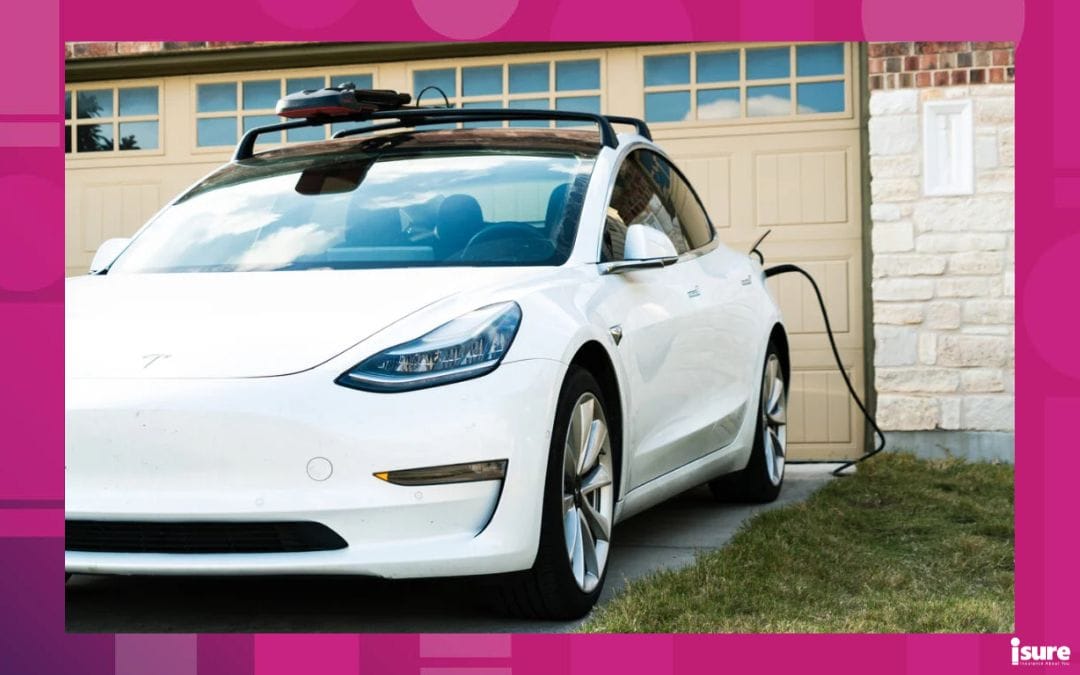
For many new or soon-to-be electric vehicle (EV) owners in Ontario, one of the most common questions is: How do I charge my EV at home? While public charging stations are becoming more widely available across the province, nothing beats the convenience, cost savings, and peace of mind that comes with charging your electric vehicle right from your driveway or garage.
In this guide, we break down everything you need to know—from the types of charging stations and installation steps to safety tips, costs, and rebates. Whether you’re considering buying an EV or are already a proud owner, read on to learn how to power your vehicle efficiently and safely from home.
Why Home Charging Matters
According to the Ontario Ministry of Transportation, nearly 80% of EV charging happens at home. And for good reason—home charging is:
- Convenient: Plug in overnight and wake up to a full battery.
- Cost-effective: Charging at home costs less than half of what it does to fuel a gas vehicle.
- Efficient: When paired with a smart charger and off-peak electricity pricing, the savings really add up.
- Eco-friendly: Ontario’s electricity grid is powered by low-emission sources like hydro and nuclear.
EV Charging Options at Home
All electric cars need to be charged by plugging in. You can choose to recharge your EV using either a standard wall socket or an EV charging station:
1. Level One Charging (Standard Wall Outlet)
- What it is: Uses a regular 120V household outlet.
- Speed: 8 km of range per hour of charging.
- Best for: Plug-in hybrids or very low daily mileage.
- Cost: No installation required—every EV includes a standard cord.
This is the slowest charging option and best used occasionally or as a backup.
2. Level Two Charging (Home Charging Station)
- What it is: Uses a 240V outlet—similar to a stove or dryer.
- Speed: 30 km of range per hour of charging (5x faster than Level One).
- Best for: Fully electric vehicles or frequent driving.
- Cost: $400–$2,000 for equipment + $500–$1,500 installation.
All EVs in North America use the same plug for Level Two charging. Tesla vehicles come with an adapter.
Installing a Home Charging Station
If you plan to install an EV charger at home, follow these essential steps:
1. Hire a Licensed Electrical Contractor
- Required by the Electrical Safety Authority (ESA) in Ontario.
- Search or verify at esasafe.com.
2. Get a Permit
The electrician must take out a permit before installation.
3. Use Certified Equipment
Make sure your charger is certified by CSA, cUL, or cETL.
4. Get Multiple Quotes
Installation costs can vary widely. Have two to three electricians assess your setup.
Smart Charging Tips
Smart chargers offer more than speed—they help optimize usage and costs:
- Schedule charging overnight to benefit from off-peak electricity rates.
- Use apps to monitor usage, start/stop charging, and track costs.
- Avoid charging to 100% daily to preserve battery life—aim for 60–80%.
- Precondition your EV while plugged in during cold weather.
Cost to Charge Your Electric Vehicle at Home in Ontario
Charging your EV at home is significantly cheaper than refueling with gas. At any time of day, charging your EV with Ontario electricity will result in fewer greenhouse gas emissions. Less air pollution is generated than by a car burning gasoline or diesel. That being said, you still want to find the most cost-effective way to charge your vehicle to help cut down on the cost of ownership.
To avoid paying “peak pricing” on electricity during the day (when demand is highest), charging at night (when it is least expensive) is recommended. Charging your electric vehicle at night means you’re using ‘clean’ electricity sources. These cleaner energy sources are generated by wind, hydro, and nuclear power. Wake up each morning to a full battery of low-cost electricity!
Example: Charging a Chevy Bolt for 100 km in rural Ontario:
- Peak hours: $4.21
- Off-peak (overnight): $2.36
Charging at night saves you money and reduces your carbon footprint thanks to cleaner energy sources.
Indirect costs are also something to consider when thinking about the costs of charging EVs – a standard charger versus a Level Two charger will have significant differences. While a Level Two charger will charge your vehicle faster, it can cost around $2,500 for its parts and installation into your home.
Where to Install Your EV Charger
Choose a location that’s safe, accessible, and efficient:
- Garage wall: Protected and ideal for all seasons.
- Driveway or carport: Use a weatherproof charger if outdoors.
- Cable reach: Make sure the cord length suits your parking setup.
Always verify your charger’s temperature range if installing outside. Many are rated for -30°C to 50°C.
Remember, the time it takes to fully charge your electric vehicle at home is based on the level (or speed) of charging, and how full the battery is.
Portable Chargers For EV Owners On-the-Go
If you frequently travel, consider a portable Level Two charger:
- Plug-and-play into a 240V outlet.
- Can be wall-mounted or packed for trips.
- Ensure plug compatibility with your home’s outlet type.
Is Charging an Electric Vehicle at Home Safe?
It’s safe to charge an electric car at home however, just like regular electronics, there are some precautions you should consider. Energyrates.ca offers these helpful tips:
- Only use charging adaptors provided by your vehicle’s manufacturer or by an electric vehicle supply equipment manufacturer
- Never use modified or damaged charging equipment
- Don’t use any faulty charging equipment
- Don’t use household adaptors like a multi-box, double plug, or a travel plug between electric vehicle supply equipment and a socket outlet
FYI: As with most types of electronics, you should not charge your electric car every night. It isn’t necessary in most cases. The practice of charging an electric vehicle every night can shorten the lifespan of the car’s battery pack.
How long does it take to charge your electric vehicle at home?
While it is true that EVs can take upwards of 12 hours to fully charge, the amount of time it takes depends on how full the battery is. Most drivers will only use ¼ of the battery in a typical day of driving, which means it will take ¼ of the time to charge. If you install an electric vehicle Level Two charging station, you can speed up your charging time even more. EV charging time is dependent on a host of variables, such as:
- Battery size. The bigger it is, the longer it takes to charge.
- Your home charging station’s max power capacity. Even if the vehicle’s onboard charger can accept high power, it will not charge the vehicle as fast as it can if the home charging station can only output less.
- Environmental factors. A very cold or very hot battery can limit the max power intake and thus, will affect charging time.
Rebate & Incentive Opportunities
While Ontario currently doesn’t offer rebates for home chargers, the City of Toronto’s Home Energy Loan Program (HELP) offers:
- Low-interest loans up to $75,000 for home energy upgrades
- Eligible improvements include Level Two EV chargers
- Repay via property tax installments
Visit the City of Toronto HELP page for more details.
On the road again?
If you tend to head over to your cottage every week or have a career that requires you to move often, you might want to choose a portable charging station. Unlike a unit that is hard-wired and permanently mounted, these simply hang on the wall and plug into a 240-volt receptacle. With these, pay attention to the plug that the portable charging station comes with and ensure it’s compatible with the wall receptacle. Some homes already have a 240-volt receptacle where the station will be installed, which makes it easy to match! If you don’t already have a 240-volt outlet, you can have an electrician install whichever matches the plug that you purchase.
Charge Your Electric Vehicle at Home: Final Thoughts
Charging your electric vehicle at home is a major perk of EV ownership. It’s cost-effective, convenient, environmentally friendly—and once you’re set up, it’s almost effortless.
Whether you’re exploring EVs or already making the switch, understanding how to charge your EV at home empowers you to drive smarter and greener. Just remember: use certified equipment, work with licensed electricians, and charge smartly to get the most out of your EV.
Need EV Insurance Advice?
If you’re looking for insurance savings and coverage options tailored to electric vehicle owners, or you need to update your policy after installing a home charger, contact isure today!
Curious about charging your electric vehicle (EV) at home in Read more
The revolution of electric vehicles is gaining speed in Canada. Read more

As the seasons start to change, car maintenance for electric Read more