
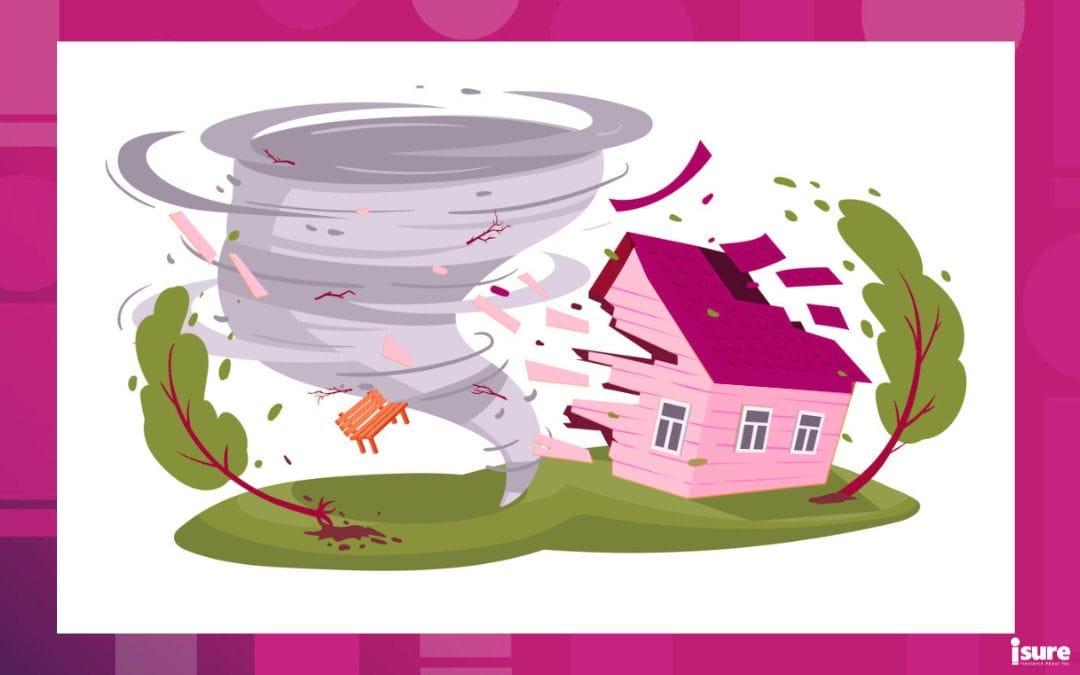
In 2024, for the first time in Canadian history, insured damage caused by severe weather events surpassed $8 billion, according to Catastrophe Indices and Quantification Inc. (CatIQ). The 2024 total is nearly triple the total insured losses recorded in 2023 and 12 times the annual average of $701 million in the decade between 2001 and 2010. If your property is damaged, knowing how to file an insurance claim properly can save you time, money, and stress. We’ll guide you through a step-by-step process for filing claims. You will be able to confidently navigate natural disaster claims and get back to normal as soon as possible.
1. Prioritize Safety First
Before anything else, make sure everyone is safe. Follow evacuation orders and local emergency updates, and don’t return home until it’s declared safe by authorities. Furthermore, be aware of hazards such as live wires, gas leaks, and unstable structures.
2. Contact Your Insurance Provider Right Away
Once you are safe, reach out to your insurer with your policy number and basic information ready. Most companies have 24/7 emergency hotlines or online portals. Be sure to ask about the claims process, what’s covered, and any deadlines for submitting documents.
3. Review Your Home Insurance Policy
Understanding your coverage is key. Most basic policies cover fire, wind, hail, and some types of water damage. However, flood, earthquake, and sewer backup protection are usually optional add-ons. Know if your policy offers replacement cost (new item) or actual cash value (depreciated value).
4. Natural Disaster Claims: Document All Damage Thoroughly
Evidence is essential for a successful natural disaster insurance claim. Be sure to:
- Take clear photos and videos of all damage, inside and out.
- Make a list of affected items with estimated values, brands, and dates of purchase.
- Keep or scan receipts, warranties, or other proofs of value if available.
- It is important to keep an up-to-date home inventory list in case of emergencies.
- It should be updated each year, or after any major renovation or purchase.
5. Make Temporary Repairs (If Safe)
Stop further damage fron occurring while staying within your limits. Be sure to take preventative measures by boarding windows, covering roof holes, and cleaning up minor hazards. Save all receipts, as these may be reimbursed, and hold off on permanent repairs until the adjuster has visited.
If a natural disaster damages your home, it’s normal to find yourself in moments where you may be strapped for cash. This is where an emergency fund steps up to help save the day. Read our blog to learn everything you need to know to save for a home emergency fund.
6. Submit Your Natural Disaster Claim
Organize your documents and submit everything required. Be sure to include photos, inventory, receipts, and repair estimates. Use your brokerage or insurer’s online portal (if available) for faster processing. Additionally, keep a copy of all submissions and note your claim number.
7. Meet with the Insurance Adjuster
This step is crucial for determining your natural disaster claim payout. Be present during the inspection and walk them through the damage. Answer any questions honestly and provide documents as needed. Take your own notes and clarify how deductibles and coverage limits apply.
8. Understand the Settlement Offer
Make sure the numbers add up! Your settlement should reflect your policy terms, so be sure to confirm whether the payout is based on actual cash value or replacement cost. If the amount seems low, provide additional documentation or ask for a second review.
9. Get Support if Needed
You don’t have to navigate this process alone. Consider hiring a licensed public adjuster for large or complicated claims. Use an independent contractor for your own repairs estimate. If your claim is unfairly denied, contact your province’s insurance ombudsperson or legal advisor.
Bonus Tip: Review your policy once a year and update it as needed—especially if you’ve renovated your home or live in an area prone to flooding or wildfires.
10. Keep Organized Records for Your Natural Disaster Claim
Stay on top of everything for your peace of mind! Store all correspondence, estimates, claim forms, and receipts in one place, and use digital backups like cloud storage or a dedicated email folder. Keep your documents even after your claim is closed—just in case.
Final Thoughts
Natural disasters are challenging, but with the right preparation and approach, your insurance claim process doesn’t have to be. By acting fast, staying informed, and documenting everything, you’ll give yourself the best chance at a smooth recovery.

Severe weather events in the country are on the rise. Read more

Looking to green your home while saving money? Canadians are Read more

Let's face it, life comes with a bunch of surprises. Read more