
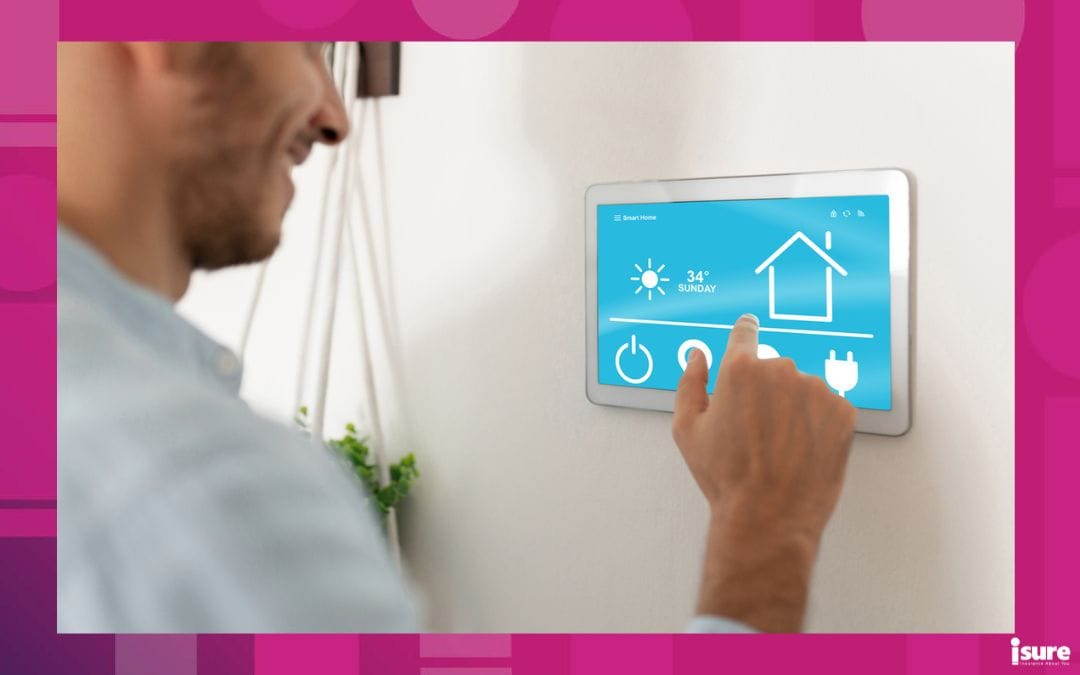
The most effective ways to keep your home cool during Canadian summer heat waves include blocking sunlight, sealing air leaks, improving ventilation, reducing indoor heat sources, and using energy-efficient cooling strategies like fans and smart thermostats. These methods can lower indoor temperatures and reduce energy costs without relying heavily on air conditioning.
As Canadian summers continue to get hotter each year, protecting your home from extreme heat is becoming more critical than ever. With heat waves becoming more frequent and intense, it’s not just about staying comfortable; it’s about safeguarding your home from potential heat-related damage and keeping energy costs under control. While it’s easy to rely on your air conditioner to escape the sweltering temperatures, there are many other practical and energy-efficient ways to keep your home cool during the summer months. Keep reading for effective ways to shield your home from summer heat, and don’t forget to review your home insurance policy to ensure you’re covered in case extreme weather takes its toll.
1. Close The Curtains and Blinds to Keep Your Home Cool
To start, a great way to protect your home from heat is to keep curtains, blinds, or shades drawn during the day. Especially with sun-facing windows, keep them closed to block the sun. Consider using blackout or thermal curtains to help block out sunlight and reduce heat buildup in your home.
2. Seal Any Gaps or Cracks
Next, hot air can seep into your home through poorly sealed doors or windows. To prevent seepage, you can use weatherstripping or caulk to seal gaps and improve insulation. Sealing these cracks will help maintain a cooler internal temperature in your home and prevent warm air from entering.
Safeguard Your Home
Get a free home insurance quote today and protect what matters most.


3. Use Light-Coloured Décor to Keep Your Home Cool
While darker items absorb heat, lighter items reflect the heat. Since light tones reflect heat, they will keep your home cooler overall. Consider switching to lighter-colored rugs, furniture, and linens during the warmer months to create a cooler, more inviting atmosphere. Not only is it helpful for keeping your home cool, but it can also help shade-providing elements or add them to change the feel of the space for the season.
4. Use Fans Strategically
Another great tip to to lower hydro bills in summer is to use fans strategically throughout your home. For example, ceiling fans should rotate counterclockwise in the summer to help push cool air downward. Additionally, if you use box fans, place them near windows at night to help pull in cooler outdoor air and expel the hot air from indoors.
5. Limit Use of Appliances
One thing that raises the temperature in your home that people often overlook is your appliances. Avoid using heat-producing appliances, such as ovens, dryers, desktop computers, or stovetops, during the hottest parts of the day. Instead, opt for microwavable meals, barbequing outdoors, or air-drying your laundry.
6. Install a Programmable Thermostat
The best way to protect your home from heat is to consider installing a programmable thermostat. A smart/programmable thermostat allows you to set temperatures for different times of the day. It would help reduce strain on your A/C and keep your home consistently cool when you need it most.
7. Plant Trees and Install Awnings to Keep Your Home Cool
One great way to protect your home from the heat is to plant or add shade-providing elements. Trees, shrubs, and awnings near windows can help block direct sunlight and naturally reduce indoor temperatures. Plus, outdoor shading can significantly cut cooling costs over time.
8. Switch to LED/CFL Bulbs
People often overlook that traditional incandescent light bulbs generate significant heat, which can gradually raise your home’s temperature. However, you can switch your bulbs to LED or compact fluorescent (CFL) bulbs to help address that issue. These energy-efficient bulbs reduce heat output and lower your energy bill simultaneously.
9. Ventilate at Night to Keep Your Home Cool
To reduce the heat in your house, try ventilating at night. Enjoy the cooler nighttime temperatures by opening your windows once the sun sets. Doing this will create a cross-breeze by opening windows on opposite sides of your home. Ventilating your house at night can help create airflow, flush out hot air, and bring in cool air.
10. Improve Roof and Attic Insulation
Lastly, one way your house may be heating up in the summer months is through your roof and attic insulation. Heat rises, often accumulating in the home’s attic, and radiates downward. Reflective insulation or roof coatings can deflect heat, keeping your home cooler.
Protect Your Condo with Confidence
Contact us for a personalized insurance quote tailored to your unit and lifestyle.

Keep Your Home Cool: FAQ’s
What is the fastest way to cool a house during a heat wave?
The fastest way to cool a house during a heat wave is to block direct sunlight, close blinds or curtains, and use fans or air conditioning to circulate cooler air. Reducing indoor heat sources such as ovens and dryers can also help lower temperatures quickly.
Do blackout curtains help keep a home cool?
Yes. Blackout curtains help reduce heat gain by blocking sunlight from entering through windows. This can help maintain a cooler indoor temperature and reduce strain on your air conditioning system.
Should I open my windows during a heat wave?
During the hottest part of the day, windows should generally remain closed to prevent hot air from entering. Once outdoor temperatures drop in the evening, opening windows can improve ventilation and bring cooler air into the home.
Can extreme heat damage my home?
Yes, extreme heat waves can cause severe property damage. Prolonged high temperatures can cause wood framing to warp, degrade and crack roof shingles, and cause vinyl siding to buckle. Furthermore, excessive indoor humidity can lead to mold growth.
Can ceiling fans lower the temperature in a room?
Ceiling fans do not actually lower the temperature of a room, but they create airflow that helps people feel cooler. During summer, ceiling fans should rotate counterclockwise to push air downward.
Review Your Home Protection This Summer
While you can’t control the summer weather, taking proactive steps to protect your home from extreme heat waves will keep you safe, comfortable, and financially secure. Because severe weather patterns can cause unexpected property damage, now is also the perfect time to review your property insurance coverage.
However you choose to spend your summer, we hope you find ways to stay cool and protect your home from the heat. Please don’t hesitate to contact us today if you have any questions about your home insurance policy.

As summer is now in full swing, Ontario has been Read more

Summer is the perfect time to give your home some Read more

Summer is barbecue season across Ontario, and there's nothing better Read more