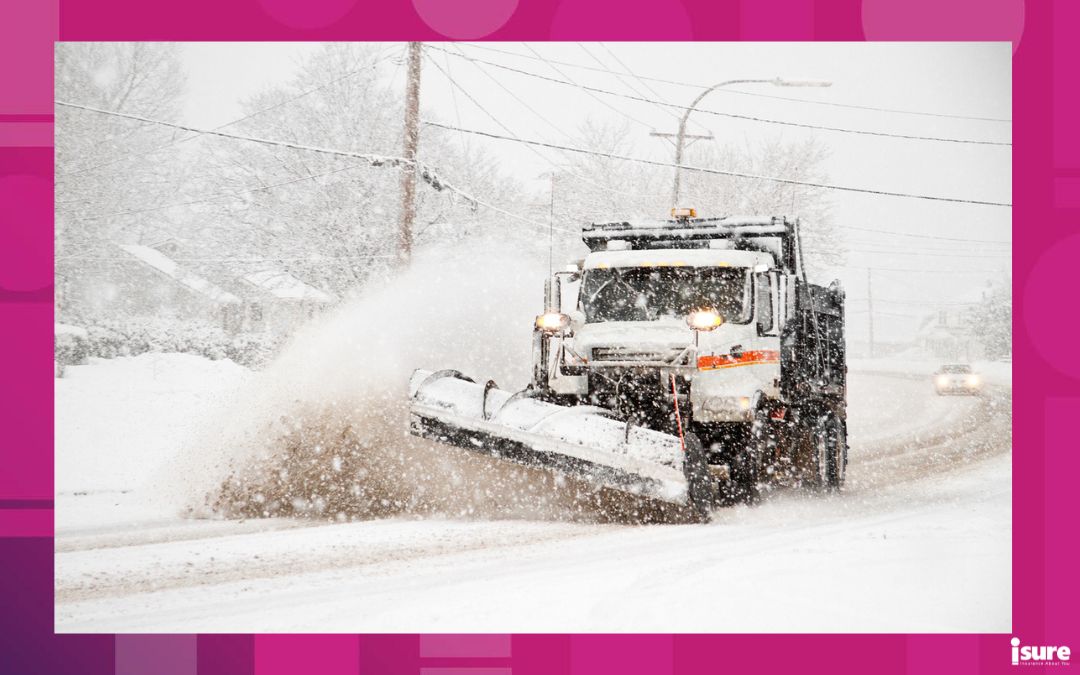
Running a snow removal business isn’t for the faint of heart. Between long nights, icy roads, and demanding clients, there’s plenty that can go wrong — and one costly claim can put your entire operation at risk. That’s why having the right insurance coverage is crucial. Whether you manage a single truck or a full fleet, snowplow insurance protects your vehicles, your team, and your bottom line in the event of an accident. Here’s what you need to know about snowplow insurance to keep your business covered all winter long.
Why Snowplow Fleets Are a Special Case
Snow removal can be a difficult business. Snowplow operators face harsh weather to ensure that roads, driveways, and parking spaces are free of snow and safe. However, this crucial work isn’t without risk. Let’s look at the reasons why snow removal insurance is essential for snowplow operators.
Snowplowing/snow and ice removal is considered a high-risk operation for insurers because:
- Operations often occur in winter: slippery surfaces, low visibility, unpredictable weather.
- Equipment is heavy, often attached (plow blades, salt spreaders etc.), and can damage property (driveways, curbs, parked cars, landscaping) or cause bodily injury.
- There’s a lot of exposure to third-party liability: slip and falls, damage to property, vehicles, etc.
- Equipment breakdowns, wear and tear from harsh conditions, plus the risk of environmental liability (chemicals, de-icing agents) come into play.
Because of this, insurance for snowplow operations tends to be more expensive, more specialized, and with more conditions/exclusions.
In Ontario, many snow plow contractors need proof of motor vehicle liability insurance of at least CAD $2,000,000 for vehicles used in plowing operations.
Effect of Slip-and-Fall Claims on Insurance
An increase in slip-and-fall claims has put pressure on insurance premiums for snowplow operators, which has left some contractors struggling to remain in business. Indeed, slip-and-fall claims are the biggest liability on the shoulders of snowplow operators. Broker Stephen Halsall commented, “[Insurers] are not worried about vehicles hitting property or other vehicles, although that happens,” he says. “The biggest [risk] is slip-and-falls and how it relates to [maintaining areas] with sanding and salting after they do the job. How much responsibility can you shift to the contractor, with all the freezing and thawing and different storms we have?”
He also says not only have some insurers stopped underwriting snowplow operations, the ones that are still in the market have a longer list of requirements and specific areas they won’t underwrite. “It’s tough for people who work in those industries,” says Halsall, owner of Saint John, N.B.-based All Coverage Insurance. “Whatever you are snowplowing, too much responsibility gets thrown on the operators.”
Not all insurers feel the same about snow plow insurance. Intact Insurance uses caution when underwriting snowplow operations, a company representative told Canadian Underwriter in an email. “We pursue best-in-class operations within our underwriting parameters,” the company states in its email.As fewer carriers underwrite snowplowing operations, there may come a time when insurers no longer want new business, Halsall warns. “Insurers may reach a tipping point. There’s no magic solution. They can’t write business that is unprofitable. But as the blame [for slip-and-falls] gets shifted to contractors, it will continue to be a problem.”
Protecting Your Snowplow Fleet: The Insurance Basics
When winter hits the GTA, snowplow operators become essential — keeping roads, driveways, and parking lots safe. Here’s what every snow removal company should have in place before the first snowfall:
1. Commercial Auto Insurance
Every truck or vehicle used for snow removal needs commercial auto coverage — it’s the law in Ontario.
This protects you if your truck is in an accident or causes damage while plowing.
Tip: Make sure the policy covers your plow attachments and applies when you’re actively plowing, not just driving between sites.
2. Commercial General Liability (CGL)
Think of this as your business’s main layer of protection. If you accidentally damage a client’s property or someone slips and gets injured on a site you maintain, CGL covers legal costs and settlements. Most municipalities and large property managers in the GTA require at least $2 million in CGL coverage.
Tip: Check that “snow removal operations” are not excluded from your policy. Commercial General Liability limits often start at $1 million per occurrence, up to aggregates of $2-5 million for larger operations.
3. Completed Operations Coverage
Your responsibility doesn’t end when the snow is cleared. If a customer claims they slipped later in the day because melting snow refroze, this coverage helps protect you.
Tip: Ask your broker if it’s included in your CGL or needs to be added as an endorsement.
4. Equipment Coverage
Snowplow blades, spreaders, and salt sprayers are expensive — and easily damaged or stolen. Equipment coverage protects your gear whether it’s mounted on a vehicle, in storage, or being transported.
Tip: List every piece of equipment on your policy so it’s fully covered.
5. Workers’ Compensation:Snow removal work is tough and risky. If you have employees, you’re required to register with the WSIB (Workplace Safety and Insurance Board). This coverage helps with medical expenses and lost wages if someone gets hurt on the job.
Tip: Even if you hire subcontractors, check that they have their own WSIB coverage — you could still be liable.
6. Pollution Liability (Optional but Smart):Salt, fuel, and de-icing agents can cause environmental damage if spilled or washed into drains. Pollution liability insurance helps cover cleanup costs or fines if this happens.
Tip: It’s increasingly required for commercial or municipal contracts — worth adding if you handle large sites.
7. Umbrella or Excess Liability: Some contracts, especially with municipalities or large commercial clients, demand high coverage limits — sometimes $5 million or more. An umbrella policy gives you extra protection above your other policies, helping you meet contract requirements and sleep easier during storm season.
What Affects the Cost of Snowplow Insurance in the GTA
Snowplowing is considered a high-risk business by insurers, especially in Ontario where heavy snowfall and dense urban areas mean more potential for accidents and claims. Here are the main factors that determine your premiums:
- Size of fleet / number of vehicles / how old they are
- Type of operations: Are you just plowing residential driveways or large commercial lots / roads / public highways? Municipal contracts often demand higher limits and more rigorous coverage.
- Geography / climate: Areas with more snow, ice, storms = higher risk. Also, harsh winters put more wear/tear on equipment.
- Claims history: Past losses, slip/fall or auto damage claims raise premiums significantly.
- Safety programs / maintenance practices: Having good operator training, regular maintenance of vehicles and attachments, good records, safety protocols reduces risk.
- Contracts & liabilities: If you contract with clients, what your contract says about liability, hold-harmless clauses, additional insured requirements. Municipal or large contracts often require specific wording, additional insured endorsements.
- Coverage limits: Higher liability limits cost more. Some clients demand $1M, $2M, or more per occurrence.
- Deductibles, policy exclusions: Choosing higher deductibles can lower premiums but increase risk you bear. Exclusions (e.g., for certain types of damage or use outside certain hours) can create gaps.
Keeping Costs Under Control
Snowplow insurance in the GTA can be pricey — but there are ways to manage it. Insurers look closely at your claims history, driver training, maintenance records, and how well you document each job. Keeping clear logs, investing in safety programs, and maintaining your vehicles regularly can all help lower premiums. Bundling your commercial auto and liability policies with the same provider can also earn discounts. Be sure to speak to one of our isure advisors about how to secure the best coverage for your snow removal business.
The Bottom Line
Winter in the GTA is unpredictable — but your insurance coverage shouldn’t be. Whether you’re running a small residential route or managing a fleet that handles commercial and municipal contracts, having the right protection in place is essential. Start with the basics — commercial auto and general liability insurance — then build from there with equipment, completed operations, and pollution coverage as your business grows. Keep detailed records, train your staff, and maintain your vehicles to show insurers you’re serious about safety. These habits not only lower your risk but can also reduce your premiums over time.
At the end of the day, snow removal is about trust: your clients count on you to keep their properties safe, and you count on your insurance to keep your business covered when the unexpected happens. With the right policies and proactive planning, you’ll be ready to weather whatever winter brings.
Protect Your Business
Request a free commercial insurance quote today and keep your business secure.


Learn all about snow removal this winter; how to remove Read more

Avoid any slip-and-falls on your property with the right snow Read more
Fleet insurance is a necessary investment for your business to Read more