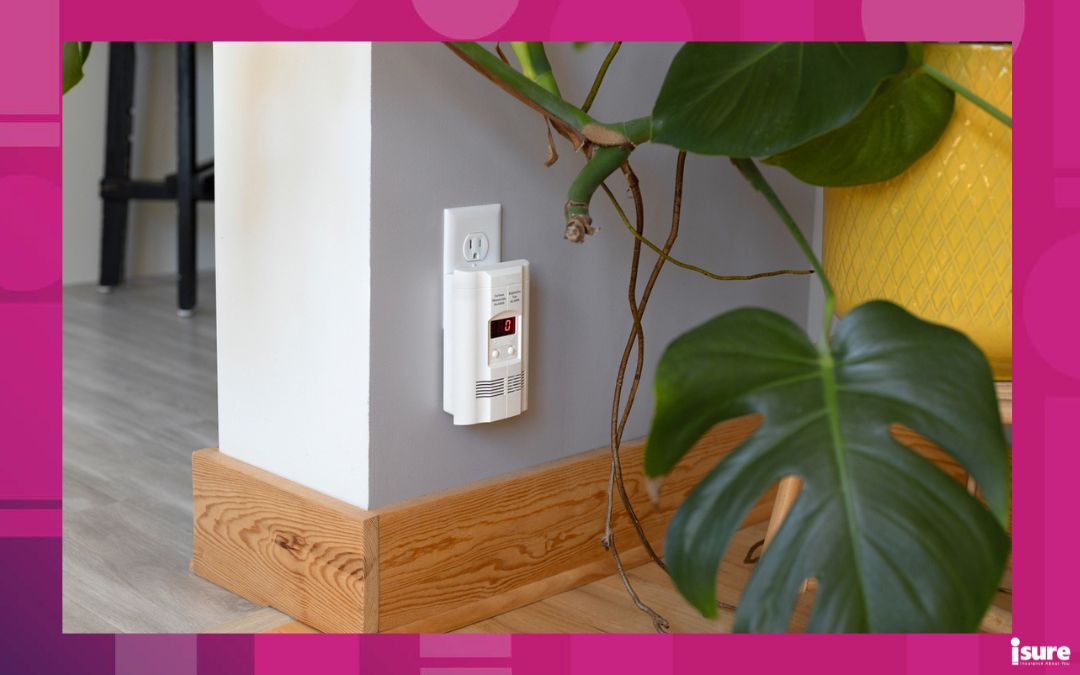
With the arrival of colder weather, many Canadians are huddling inside and staying warm with furnaces, fireplaces, and other devices. Although comforting, it is essential to remain aware of the dangers of carbon monoxide (CO) and the signs that indicate its presence. Carbon monoxide (CO) is an odourless, colourless gas that is created when certain fuels burn incompletely. The result is a dangerous gas that can be harmful, and even deadly, if inhaled. Let’s take a closer look at how we can protect ourselves and our families from the dangers of carbon monoxide.
What Is Carbon Monoxide?
Often dubbed the silent killer, CO is an invisible, odourless gas. CO is a common by-product of what is known as “incomplete combustion.” This is when certain fuels burn incompletely. This can include gasoline, wood, coal, natural gas, propane, oil, and methane. Another source of CO is from vehicles or generators running in an attached garage or enclosed space. Since you can’t see, taste, or smell it, carbon monoxide can significantly endanger your safety and well-being before you even know it’s there. Exposure to lower levels of carbon monoxide over time can also make you sick.
According to Public Health Canada, approximately 3,500 Canadians present to emergency departments due to unintentional exposure to carbon monoxide, with around 300 requiring hospitalization. To add to this, CO poisoning leads to roughly 200 deaths a year in Canada.
Where Does Carbon Monoxide Come From?
As mentioned above, carbon monoxide is a common by-product of what is known as incomplete combustion. This stems from fuel-burning appliances. These include furnaces, clothes dryers, ranges, ovens, water heaters, and space heaters. When appliances and vents are functioning correctly, the minuscule amounts of carbon monoxide produced are typically not hazardous and are safely vented to the outside of your home.
However, problems can quickly arise if something goes wrong. Appliances can malfunction, vents can clog, a furnace’s heat exchanger can crack, or debris may block your chimney or flue. Fireplaces, wood-burning stoves, and gas heaters can produce unsafe levels of carbon monoxide if they are unvented or not properly vented. Exhaust can also seep into a home from vehicles left running in an attached garage. These are all significant causes of a CO leak occurring in your home.
Why Is Carbon Monoxide So Dangerous?
Carbon Monoxide robs you of what you need the most: oxygen. Oxygen is carried to your cells and tissues by the hemoglobin in your blood. When you inhale CO, it bonds with hemoglobin quickly and displaces oxygen. This produces a toxic compound in your blood known as carboxyhemoglobin (COHb).
Carboxyhemoglobin produces flu-like symptoms, minus the fever. Symptoms include:
- Headache
- Nausea
- Fatigue
- Dizzy spells
- Confusion
- Irritability
Since symptoms can be so similar to flu-like symptoms, carbon monoxide poisoning can be misdiagnosed. As levels of COHb rise, victims can end up losing consciousness. In longer cases, CO poisoning can be fatal.
Who Is At Risk Of Carbon Monoxide Poisoning?
Unfortunately, everyone is at risk when it comes to CO poisoning. This is because everyone needs oxygen to survive. Like most sicknesses, medical experts believe some people may be more vulnerable. This includes babies, infants, children, seniors, and people with heart and lung problems due to metabolic rates.
How To Prevent Carbon Monoxide Poisoning
Fortunately, most incidents involving carbon monoxide poisoning can be prevented with proper preparation and precautions. Let’s take a look at some tips to help keep you and your family safe from carbon monoxide.
1. Know The Risks of CO Poisoning
It is essential to keep in mind that any device that burns fuel, such as a fireplace, generator, or vehicle, produces carbon monoxide. When this equipment is maintained correctly and adequately vented, CO will disperse and be safely vented. If not, the inhalation of CO can result in serious health issues and even death. At lower concentrations, victims may experience symptoms such as headaches, dizziness, nausea, or confusion.
2. Keep Your Vents Clear
During and after a snowstorm, ensure that nothing obstructs the outside stack or vent for your gas dryer, stove, furnace, or fireplace. It is essential to take special care to prevent snow from accumulating and blocking these critical carbon monoxide exits. Not only does this keep you safe, but clearing your vents keeps your HVAC system in working condition. When these vents are clogged, your system will work harder to compensate for the reduced airflow. This will result in a drastic increase in your heating bill. For more information on clearing your vents in the snow, refer to our article on why clearing your vents is essential during winter.
3. Don’t Run Engines In A Closed Area
It is essential to remember that proper ventilation is a crucial component in preventing carbon monoxide poisoning. This means you should never start your car, use a grill, or run a generator in a closed area such as a basement or garage. Even if the garage door is left open, CO gas can quickly build up to toxic levels.
4. Schedule Regular Maintenance For Appliances
Ensure that any fuel-burning appliances you have are installed and serviced by a licensed professional. To ensure safety, it is recommended to have your fuel-burning appliances inspected by a qualified professional at least once a year to verify they continue to operate correctly and safely.
5. Keep Fireplace Clean and Well Vented
If you own a wood-burning fireplace, make sure you properly maintain it. This means keeping it clean and ensuring that the flue is working correctly. This rule also applies to wood-burning stoves. When using your wood-burning fireplace or stove, please always keep the flue open until the fire is completely extinguished.
6. Install Carbon Monoxide Alarms
Carbon monoxide can only be detected by a working carbon monoxide alarm. In Ontario, it is required by law to have a carbon monoxide alarm in all homes that have a fuel-burning appliance (such as oil, natural gas, or propane), fireplace, or attached garage.
CO alarms must be installed in each of the following locations in a home:
- Adjacent to each sleeping area (the hallway or area outside the sleeping area, for example, a carbon monoxide alarm must be installed in the hallway nearest multiple bedrooms in a house or apartment).
- On every storey of a home, including storeys that do not have sleeping areas (this is in effect as of January 1st, 2026)
7. Maintain Carbon Monoxide Alarms
Installing a carbon monoxide alarm is one thing, but it’s essential to remember that CO alarms require regular maintenance. This ensures they continue to work correctly.
Many carbon monoxide alarms come equipped with a battery backup to ensure uninterrupted operation, even during a power outage. However, you still need to remember to change your batteries at the frequency recommended by the manufacturer, just as you do with your smoke detectors.
What Happens If I Suspect a Carbon Monoxide Leak?
If your CO detector’s alarm goes off and someone is experiencing medical symptoms, it is essential to follow the correct steps to keep you and your family safe:
- Immediately exit the home and get some fresh air.
- Call 911 from a safe distance from your home.
- Seek medical assistance
- Call a heating contractor for an inspection. Please note that you will be charged for this service.
If your carbon monoxide alarm sounds and nobody is experiencing medical symptoms:
- Open all of your doors and windows
- Call a heating contractor immediately for an inspection. As mentioned above, you will be charged for this service.
Carbon Monoxide: Keep You And Your Family Safe
In conclusion, carbon monoxide remains one of the most dangerous household hazards! Its odourless, colourless nature can make detection difficult, so keeping yourself safe by installing carbon monoxide detectors is crucial when it comes to the safety of your home. Remember, home safety always starts with the right insurance policy in case the unthinkable occurs. If you are in the market, don’t hesitate to contact us or request a quote today!
Safeguard Your Home
Get a free home insurance quote today and protect what matters most.


Whether you're home alone or hosting a dinner party, keep Read more

Every day, natural gas powers assist millions of Ontario households. Read more

Whether you're installing a fence, planting a tree, or building Read more