
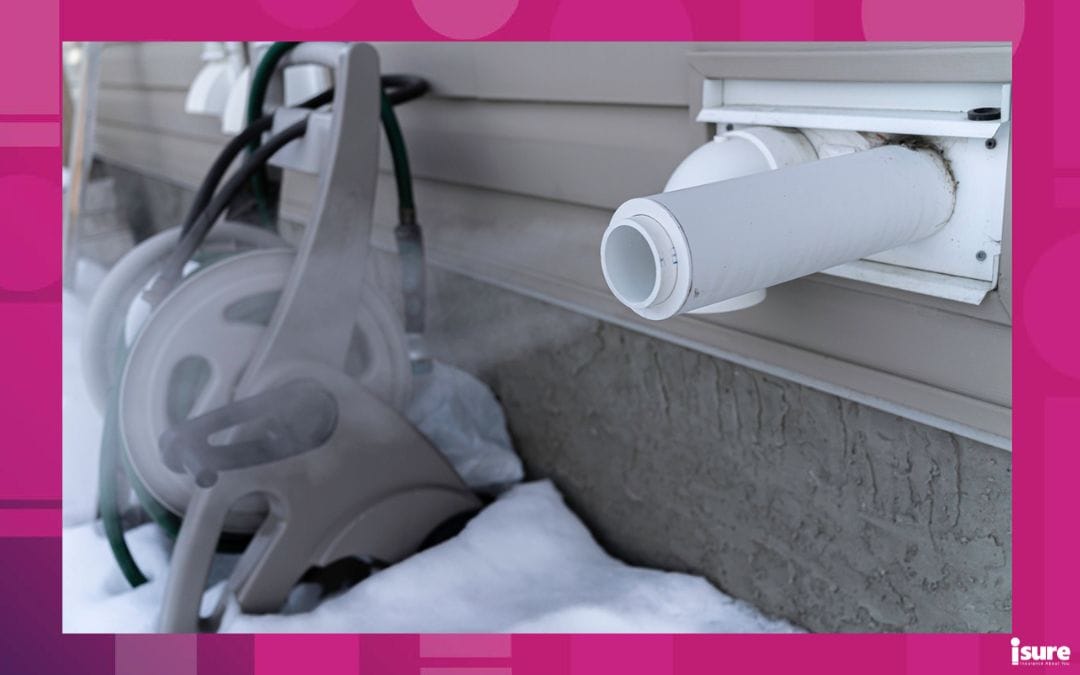
When you live in Canada, you know how beautiful a nice blanket of snow can be. However, with winter storms come a handful of challenges. Cleaning up after a heavy snowfall and frigid temperatures can sometimes be daunting. There’s plenty to shovel between your vehicles, walkways, driveways, and porches. However, there is one must-do task many skip: clearing your vents. Forgetting to do so can pose serious health risks and mechanical failures and should never be ignored. Here’s how to protect your home and keep it safe during a winter storm.
Why Is Clearing Your Vents After A Storm Necessary?
Nowadays, most homes in Canada have central furnaces used for heating. Vents are installed as part of the central furnace system to ensure any hazardous gases are vented out of your home. This is why it’s always important to think twice before closing any vents in the winter. However, these vents can be blocked by snow and ice after a big storm. Clearing your vents of any blockages or debris is crucial! If left unchecked, this can cause carbon monoxide (CO) levels to build up in your home because the exhausted air has nowhere to go.
Also known as “the silent killer,” CO is a tasteless, odourless, and non-irritating gas that is highly harmful and often goes unnoticed. Initial symptoms of CO poisoning can include headaches, nausea, and dizziness. From there, these can progress to much more severe symptoms, such as loss of consciousness or even death. It is always important to be aware of the symptoms of CO poisoning, install detectors in your home, and monitor them annually.
Clearing Your Vents Keeps Your HVAC System Working
Beyond the extreme health risks, clearing your vents is essential to keep your HVAC system functioning properly. When snow or ice builds up around it, it can cause damage and require costly repairs. Blocked vents force your furnace to work harder to maintain the desired temperature in your home. Not only will this shorten your furnace’s lifespan, but it will also drastically increase your heating bills. In significant snowfall, we are reminding residents to ensure that they are not backed up. On top of this, the extra weight of snow and ice can potentially strain pipes and vents, causing them to break or burst over time.
Which Vents Should You Clear After a Winter Storm?
Not all exterior vents are created equal. After a heavy snowfall, it’s important to check every vent that allows air, exhaust, or gases to exit your home. The most common vents that should always be kept clear include:
- Furnace intake and exhaust vents
- Hot water heater vents
- HRV or ERV system intake and exhaust vents
- Gas fireplace vents
- Bathroom exhaust vents
- Dryer vents
If any of these vents become blocked by snow or ice, airflow can be restricted, forcing appliances to work harder or shut down entirely. More importantly, blocked vents can allow harmful gases—such as carbon monoxide—to back up into your home.
How to Clear Your Vents of Snow and Ice
Clearing your vents from snow or ice should always be done by hand, as shovels or snow blowers may damage the pipe. When you remove the snow, ensure there is a clear line of sight for anything exiting the pipe so it can make its way outside safely. While clearing your vents, double-check that your meter is free of snow or ice. Though generally safe, sometimes the weight of snow or ice can damage it.
If you forget to clear your vents, many modern furnace models will sense a blockage and shut down as a safety measure. If this happens, don’t panic! Remove any blockages from your vent and restart your furnace using the instructions. Alternatively, call a professional to restart it for you. The downside is that this can happen while you sleep, making it a cold surprise when you wake up.
How Much Snow Clearance Do Furnace Vents Need?
Homeowners often ask how much space is enough when clearing vents. As a general rule, you should maintain at least 12 to 18 inches of clear space around all exterior furnace and appliance vents.
Keep in mind that:
- Wind can cause snow to drift back over cleared vents
- Melting snow from your roof can refreeze around vent pipes
- Ice buildup may not be immediately visible
For this reason, vents should be checked after every major snowfall and windstorm, not just once per season.
Make Sure To Keep Vents Cleared with an A-frame Diverter
If you’re looking for a method to prevent future blockages, you’re in luck! Building an A-frame diverter is an excellent DIY project to ensure your vents don’t get blocked in the future. Purchase some 1/2-inch plywood, strap hinges, and some screws and nuts. You can cut your plywood in half and attach the pieces with the hinges inside for extra protection. This way, you won’t constantly have to clean your vents after every snowstorm.
For an extra measure, spray the metal attachments with a zinc coating to prevent rust or corrosion from the elements. This is an excellent way to have peace of mind about your furnace vents. However, it is important to still check on them frequently.
Warning Signs Your Furnace Vent May Be Blocked
A blocked vent isn’t always obvious at first. In many cases, your home or HVAC system will show warning signs before a serious issue develops.
Common symptoms of a blocked furnace or exhaust vent include:
- Your furnace turning on and off frequently
- Unusual noises coming from your HVAC system
- Ice forming on or around vent pipes
- Condensation or excessive moisture on windows
- A sudden increase in heating costs
- Carbon monoxide detector alarms or repeated alerts
If you notice any of these issues, check your vents immediately and contact a professional if the problem persists.
What Are Some Other Post-Storm Safety Precautions?
There are many other safety precautions to take outside your home when clearing your vents after a storm passes. Let’s look at some common ones below:
Clear Your Dryer Vent
When a storm hits, and you’re clearing out your vents, it is essential to check that your dryer vent isn’t blocked. Debris, including lint, ice, and snow, can collect inside the vent, making your dryer much less efficient. Additionally, if you haven’t cleared your dryer vent for an extended period, you risk a fire starting due to a build-up. As above, an A-frame diverter can be a great way to ensure no blockage occurs!
Clear Snow From Your Roof
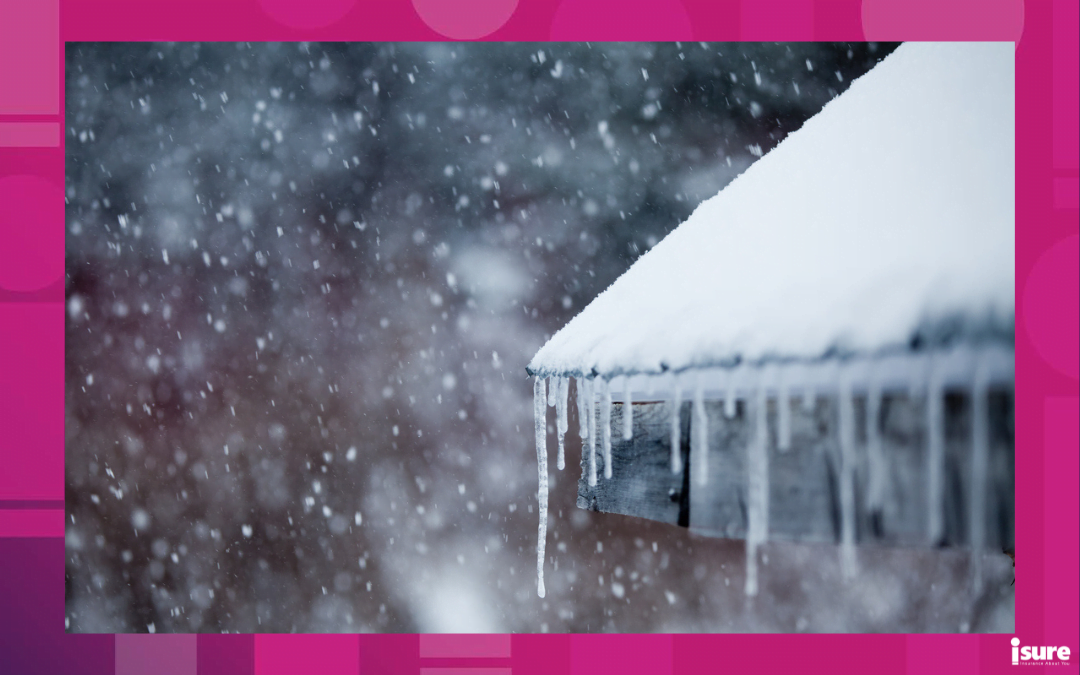
A light dusting of snow on your roof typically isn’t any cause for concern. However, after significant snowfall, you should consider removing any excess snow and ice from your roof. The average roof is designed to withstand only about 20 pounds per square foot. As you can imagine, anything more than this can cause severe damage. Also, please know about any ice dams forming on your home’s roof. This is when the snow on your roof melts, then refreezes at the edges. This can lead to water damage, mould growth, and other costly repairs. A quick and effective way to remove ice dams is to use a rake to clear any snow buildup. Alternatively, hire a professional to get the job done efficiently and safely!
Salt Driveways And Walkways
Though it may seem obvious, clearing your driveways and walkways of snow is crucial. If left uncleared, it can cause serious injuries and be a significant liability hazard. Please always be sure to clear your walkways and driveways as soon as the snow stops. This will prevent snow from freezing and make it more difficult to remove. Don’t forget to salt afterward!
Remove Snow From Trees
If you have any small or medium-sized trees in your yard, shaking them (if possible) is essential to remove any snow. When snow builds up, it can cause branches to fall and damage your home or property. Alternatively, trees, hedges, shrubs, and other plants can become permanently damaged by heavy snow, which isn’t typically covered by insurance.
Clearing Your Vents: Conclusion
Snow and ice buildup can cause significant damage to your home. This can not only damage your home but also harm your health and well-being if left unattended. Luckily, clearing your vents and having reliable home insurance are excellent ways to ensure you and your loved ones stay safe in the winter. If you have any questions or want to submit a claim, request a quote today!
Safeguard Your Home
Get a free home insurance quote today and protect what matters most.


Last weekend, an ice storm hit Ontario hard, knocking out Read more

Our ultimate winter safety kit will assist you in riding Read more
Winter in Canada can be harsh, but with the right Read more