

Every year, Canadians face the harsh weather that winter brings. With this comes extreme cold damage. For most of the country, winter started slowly. However, winter has arrived dramatically in the country over the past week, particularly in Ontario. When temperatures drop, you will likely see an influx of insurance claims calls due to extreme cold damage to your home. In particular, there are more claims regarding frozen and burst pipes. Are you covered in these situations?
Extreme Cold Damage: Protecting Your Home and Business
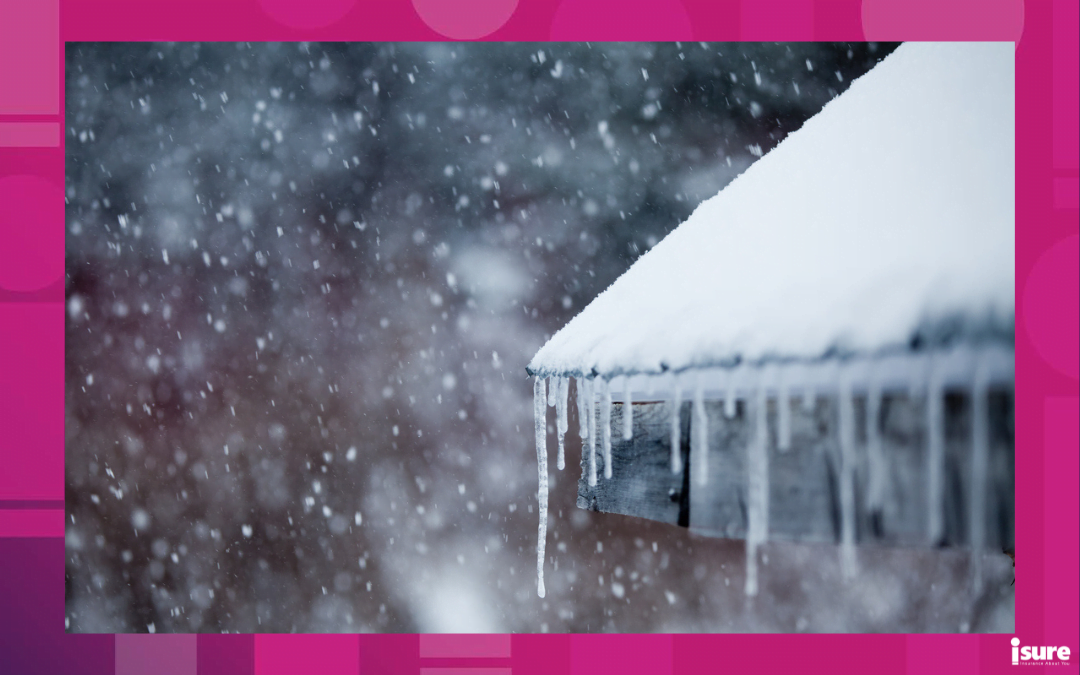
Nobody wants water damage in their home, especially during the colder months. Luckily, most extreme cold damage that occurs to your home is typically covered by insurance. That said, it is essential to note that an insurance policy does not change during winter. Instead, your insurance will cover specific perils outlined in your policy. This means that rather than having “winter” or “extreme cold temperature” coverage, your perils will focus on damage caused by extreme cold. Extreme cold damage can occur in many ways; the most common is the significant risk to plumbing. When extreme cold weather arrives, your pipes can freeze and potentially burst. As you can imagine, this can cause severe damage to your home. On the other hand, high winds and snow can cause damage to your roof or your home’s structure. However, extreme cold damage can be prevented by taking some measures beforehand.
Frozen and Burst Pipes
Frozen and burst pipes are one of the most common ways your home is affected by extreme cold damage. Let’s take a look at how to prepare your home for winter properly:
- If possible, set your thermostat to a warmer temperature. By maintaining a warmer home, you can prevent your pipes from freezing.
- Drip cold water from the faucet at the farthest from your home’s main valve. If a little water moves, it keeps the pipes from freezing.
- Make sure to locate your home shut-off valve in an emergency.
- Insulate your pipes in unheated areas of your home. This is especially important for lines near outside walls, basements, and crawl spaces.
- Open cupboards and vanities to warm pipes.
- If you are going away, shut off the water supply and drain the lines before leaving.
- If your furnace or heat pump breaks, shut off the water supply and drain the pipes to prevent freezing. Use a fireplace or space heater to keep your home warm.
High Winds
High winds are another significant concern that can cause extensive damage to your home, business, or vehicle. Like frozen pipes, damage caused by high wind is typically covered in a comprehensive insurance policy. Unfortunately, damage due to high winds is much less preventable. High winds can damage your home by hurling flying debris, such as broken branches or tree limbs. It can also damage your home and contents if water or snow enters it through openings caused by wind or hail. Generally, if you have experienced extreme cold damage due to high winds and cannot return home, you will be entitled to additional living expenses.
On the other hand, vehicles can also be damaged by wind, hail, ice, or water. Luckily, your car is covered if you have comprehensive or all-perils auto insurance coverage. It is essential to check your policy since this coverage is not mandatory!
Extreme Cold and Your Business
No matter what type of business you run, there is a good chance cold temperatures can affect it negatively. Strong winds, ice, sleet, and freezing rain can similarly damage your building as they can your home. Luckily, you can take many proactive measures to ensure your business is prepared for the drop in temperature. At the same time, business insurance will more often than not cover any damages caused by a lack of income. Let’s take a look at a few steps you can take to make sure your business is prepared for the colder months:
- Clean all snow around your business’s entrances and parking lots. If necessary, hire a snow removal company. This way, you can have peace of mind knowing the snow and ice will be removed as soon as they begin to stick.
- Regularly salt walkways. The last thing you want is for customers or employees to slip and injure themselves while making their way to your business, making your company vulnerable to expensive lawsuits.
- Make sure your HVAC system is in good shape. It is common for furnaces to break down during colder months. Additionally, some maintenance, like changing the filter or getting a regular tune-up, will make sure it remains in good working condition through the colder months
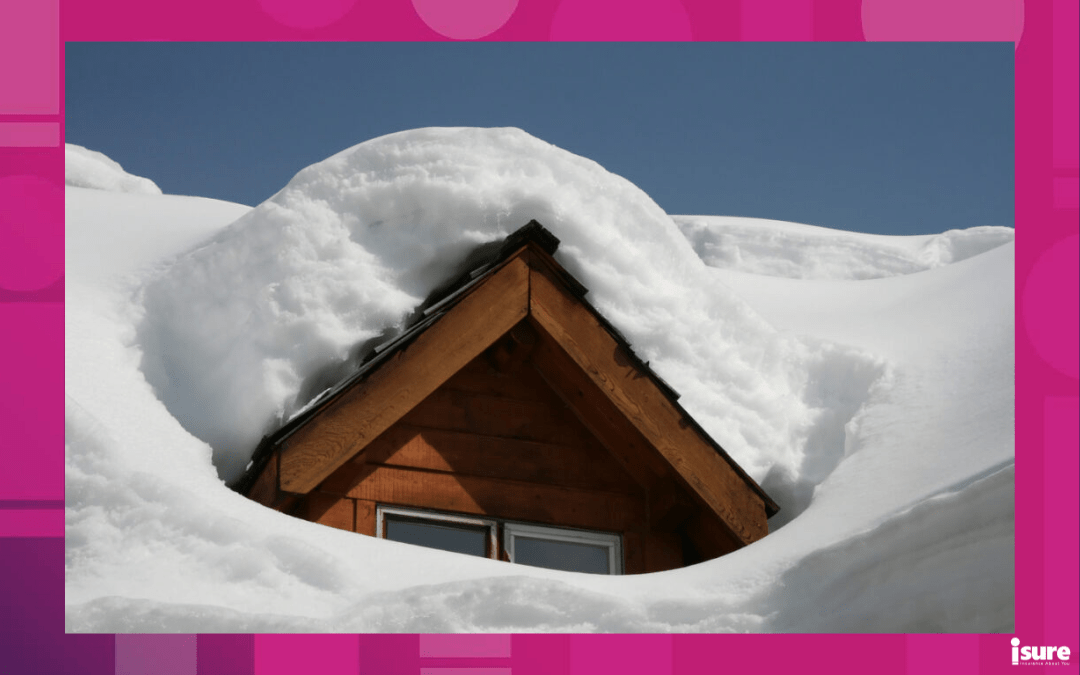
- Make sure the roof of your building is cleared of snow. Like homes, snow build-up and ice dams on the roof can cause severe damage to a building.
- Avoid freezing pipes. Just as you don’t want a pipe to burst in your home, you also don’t want any to burst in your business, causing you to close due to flooding and water damage.
Extreme Cold Damage: Protecting Your Vehicle
Unfortunately, extreme cold can damage more than just your home or business. The effects can also cause extensive damage to your car. Luckily, most basic car insurance policies can prevent or cover much of this damage. Let’s take a look at the different ways extreme cold weather can affect your vehicle and how to avoid them:
Deflated Tires
As the air in your tires gets colder, it contracts, reducing tire pressure. This is arguably one of the most common issues regarding cold weather damaging your car. Luckily, you can easily monitor this by checking your tire pressure more often than you usually would in the warmer months. It is a common misconception that tire deflation provides better traction. However, this is not the case, and a deflated tire can cause uneven or unsafe treadwear, especially in the winter. Remember, winter tires are a must for cold weather!
Dead Batteries
The cold weather is harsh on a car’s battery. Far too often, people wake up in the winter months only to find that their car won’t start because of the extreme cold. More often than not, this is due to a dead battery. Luckily, this can be an easy fix! Jumper cables are pretty simple to use. To avoid a dead battery, keep your connections clean, tight, and free of corrosion. It is highly recommended to replace your batteries once every three years or so!
Thickening Oil
When the weather becomes extremely cold, the oil in your car will likely thicken. When this happens, it gets more difficult for the engine’s oil pump to circulate the oil. For this reason, it is strongly recommended to switch to a low-viscosity oil in the wintertime. It is essential to read your car’s owner’s manual, as the manufacturer will likely have specified an oil weight for cold-weather operation.
Windshield Wiper Damage
When extreme cold weather arrives, the temperatures can make the rubber on your windshield wipers brittle. This opens up to tearing and cracking. On top of this, it is common for windshield washer fluid to not work as well in the colder months. Luckily, this can be easily prevented by purchasing winter wiper blades designed for harsher climates. Alternatively, you can double-check that the ones you have are in good condition. It is recommended to replace your windshield wiper blades every six months to a year.
Extreme Cold Damage and Insurance: Conclusion
Let’s face it—Canadian winters are harsh. This is why protecting yourself and your most valuable assets is essential. As mentioned above, the best way to do this is to ensure you are adequately insured. Contact us or request a quote today!
Drive with Confidence
Request your free car insurance quote now and get the coverage you deserve.


Winter in Canada can be harsh, but with the right Read more
There is nothing quite as quintessentially winter as your home Read more

Learn all about snow removal this winter; how to remove Read more