
Yes, in most cases, standard home insurance policies in Ontario cover wildfire damage, including damage caused by fire and smoke. Many home insurance policies also cover additional living expenses if a wildfire forces you to evacuate or makes your home temporarily uninhabitable.
As wildfires continue to burn across parts of Ontario, many homeowners may be curious about how these risks could affect their home insurance coverage. In most cases, standard home insurance policies will include protection against fire damage. However, understanding how home insurance responds to wildfire-related losses can help residents remain protected.
Does My Home Insurance Cover Wildfires?
In Ontario, most homeowners’ insurance policies will cover fire. This includes wildfires and smoke-related damage. In many cases, your home insurance may also cover the cost of accommodations and living expenses if you have to leave your home due to wildfire damage or evacuations.
If you already own homeowners insurance, a wildfire or the risk of one in your area won’t directly affect or change your coverage. That said, a wildfire may affect your ability to obtain a new policy. It may also affect your ability to make any changes to your current insurance policy.
When a wildfire event or other natural disaster occurs, insurance companies may restrict the sale of new policies under threat or limit your ability to adjust your coverage. Therefore, to be prepared, your best defence is to make sure you have year-round coverage. This is especially true in rural areas, where wildfires pose a threat. In this way, if an event were to occur, you won’t have to worry about attempting to purchase insurance.
Safeguard Your Home
Get a free home insurance quote today and protect what matters most.


How Are Ontario Wildfires Affecting Homeowners?
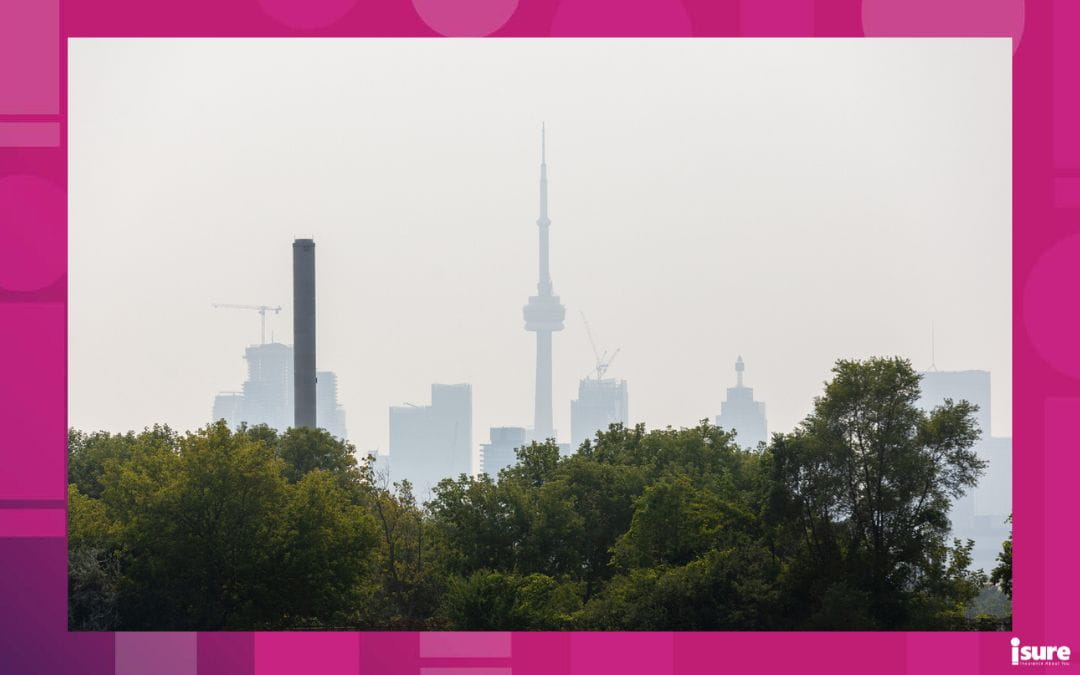
Recent wildfires have affected more than just home insurance—they have also forced evacuations across Ontario. Authorities have issued evacuation orders for multiple communities due to the growing threat of nearby wildfires. As of July 13, 128 confirmed wildfires were burning in northwestern Ontario. At the same time, smoke from active fires in Canada and the United States was visible in many parts of the region. As of July 15th, the City of Toronto ranked as having the worst air quality in the world due to these fires.
Dr. Jeffrey Siegel, a professor in the University of Toronto’s Department of Civil and Mineral Engineering, told CP24 that the health impact on city residents, including otherwise healthy individuals, is “very significant.”
“We’ve seen this increasing in frequency,” he said. “I think this represents something like the new normal.”
Environment Canada has issued a widespread air quality warning across southern Ontario as dense wildfire smoke spreads through the province. As a result, residents are advised to limit outdoor activities and follow guidance from their local authorities. In the meantime, you should plan to protect yourself from wildfire smoke by exercising the following:
- Get an air quality app for your phone for real-time air quality alerts and forecasts
- Shut doors and windows
- Set your HVAC to recirculate mode
- Run a high-performance air purifier to filter any wildfire smoke
How Are Insurers Responding To Climate Change?
The insurance industry has identified climate risks as one of the “key financial system risks,” warning that to protect Canadians from their effects, it must innovate. The Insurance Bureau of Canada, in particular, has been advocating for climate action. According to them, “policy changes and financial investments will help protect Canadians from the immediate and emerging effects of our changing climate.”
Back in April of 2025, the former CEO and current board member of Allianz SE, Gunther Thallinger, told The Guardian that the costs of extreme weather and other climate-change-driven weather events could render the financial sector unable to operate. Allianz SE is one of the world’s largest insurance companies. Thallinger stated that the financial sector should take definitive action to mitigate climate change. In addition, sustainability goals should be given the same level of priority as financial goals.
How Climate Change Is Affecting Home Insurance Rates
Unfortunately, it is! As extreme weather events continue to increase, your insurance rates will increase with them. A survey conducted last year by First Onsite found that up to 74% of Canadians are worried that climate change will increase their insurance premiums. This is an 8 percent increase over the prior year. To add to this, one-third of respondents (36%) reported that they have already experienced an increase in their premiums.
According to the Insurance Bureau of Canada, 2024 was the most expensive year on record for insurance payouts. Companies paid out $8.5 billion to cover losses across the country. 2025 had $2.5 billion in insured damages, making it the 10th costliest year on record for severe weather-related losses in Canada.
How To Prepare For The Impact Of Wildfires
Having your property destroyed or damaged by any extreme weather event can be traumatic. Unfortunately, as weather-related events become more common, this is the reality for many people across the country. As climate change increases the frequency of wildfires, let’s look at some things you can do to prepare in case the unfortunate occurs.
- Keep a record of valuables and other possessions: This is a good way to be prepared for any loss or damage. Store this information somewhere safe online, such as a Google Doc or Dropbox. Take photos, scan receipts and make copies of online purchases!
- Make a claim as soon as possible: Sometimes, claims may take longer than usual, especially when major events occur. By making your claim early, you can get the reimbursement process going as soon as possible.
- Understand your policy: Your insurance policy will cover damages up to a specified limit. If your policy covers replacement cost, the insurer will pay the cost to replace.
Protect Your Condo with Confidence
Contact us for a personalized insurance quote tailored to your unit and lifestyle.

Wildfires And Insurance: Frequently Asked Questions
Does home insurance cover wildfire damage in Ontario?
Yes. Most standard insurance policies will cover damage due to wildfires, including fire and smoke damage.
Does home insurance cover wildfire evacuation expenses?
In many cases, policies will include Additional Living Expenses (ALE). This can help cover hotel stays, meals, and other temporary living expenses if your home is uninhabitable due to a wildfire.
Unfortunately, increasingly severe weather events have led to more insurance claims, resulting in higher premiums over time.
Does wildfire smoke count as property damage?
Yes. If smoke causes physical damage to your home or your physical belongings, it will generally be covered by most standard insurance policies.
Staying Protected From Wildfires With Home Insurance
As wildfires become more frequent due to climate change, preparing your home and reviewing your insurance coverage is more important than ever. Take the time to understand your policy before an emergency happens. This will help you avoid surprises during the claims process.
Review your coverage regularly, stay informed about wildfire risks, and make sure you have the protection you need before wildfire season arrives. If you have any questions regarding home insurance, don’t hesitate to reach out to us at isure today!

Canada is experiencing its most destructive wildfire season on record, Read more
Mass evacuation coverage helps cover temporary living expenses when a Read more

With insurance shifting from a background bill to a core Read more