

When questioning whether or not you need winter tires for your vehicle, ask yourself this: Would you wear flip-flops in the cold, wet snow? The answer is most likely “No” – you wear winter boots. Think of your snow tires as boots for your car during the colder season, providing better traction and overall control on slippery roads. We understand that snow tires can be pricey, so keeping your all-season tires on sounds like a better idea. However, winter tires can save you money in the long run. In case you’re still on the fence about your tire swap, we have all the facts you need to make an informed decision about purchasing snow tires.
1. Avoid the Winter Rush
One factor that deters many people from putting winter tires on their cars is long wait times at auto shops. Don’t wait until the first snowfall to make your appointment at your nearest service centre. As soon as colder temperatures start to creep in, it’s time to make the swap. It’s a recommendation to have them on before temperatures drop to 7 degrees Celsius or lower. An even better tip? Learn how to make the tire swap at home and you’ll avoid service centre wait times (and expenses) altogether!
2. Do Your Research
Did you know that nearly 30% of winter car accidents in Canada occur on icy or snowy roads? If you’re unsure of where to begin, know that winter tires are not one-size-fits-all, and some research is involved. Start with the car brand and vehicle type (car, truck, SUV, etc.) and determine your tire size. Know the types of roads and routes you typically take with your car, and take the time to go into stores or look at various tires online. You’ll want to look for tires with the three-peaked mountain and snowflake symbol on the sidewall. This indicates a winter tire that can handle slippery, snowy roads.

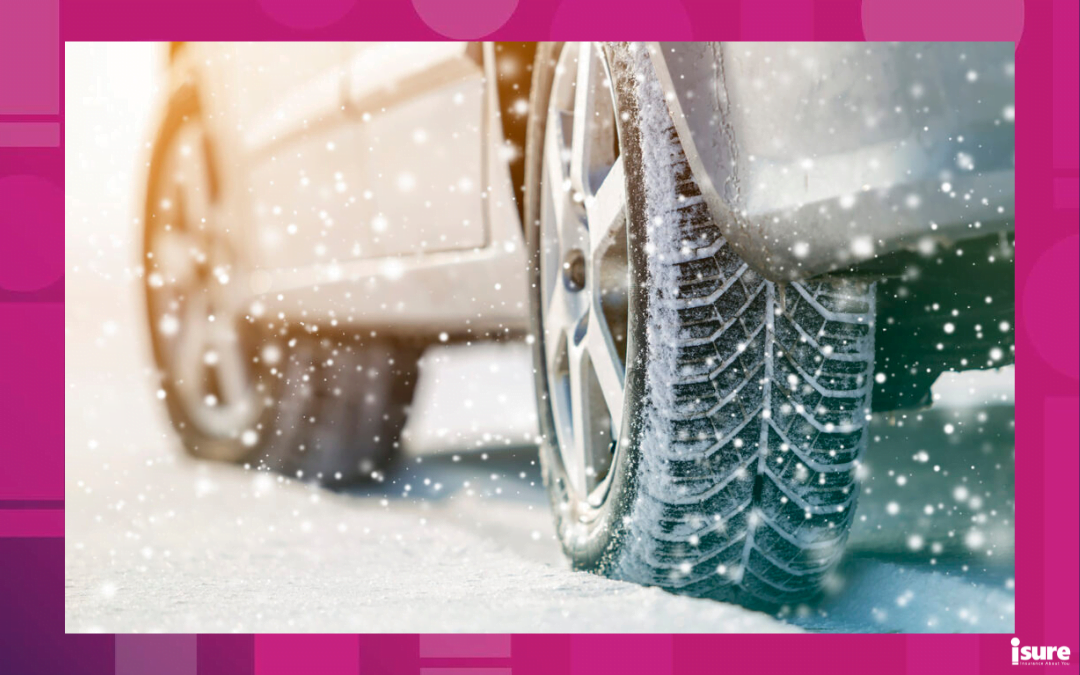
Many factors differentiate winter tires from all-season tires, the main one being the treads. The tread rubber of winter tires is designed to remain flexible for better road grip, whereas all-season tread stiffens in cold weather. The tread patterns and depths vary in snow tires, but they are deeper than all-season tires with unique tread patterns for better navigation in the snow. Why? Deeper treads and biting edges reduce snow buildup and are manufactured to expel slush and water. It is not recommended to mix treads from different tires or to install anything less than all four winter tires on a vehicle.
4. Better Traction, Grip, and Stopping Power
This is probably one of the most well-known arguments for winter tires, but it doesn’t make it any less true. Snow tires are equipped to handle intense Canadian winter conditions much better than all-season tires. Not only do winter tires increase traction and grip due to their design, but they also will outperform all tires during winter months, even if the roads are dry. In addition, snow tires boost stability and stopping power, especially since it takes up to 10 times longer to stop on snow and ice than it does on dry pavement.
5. Base Your Decision on Where You Live
Almost all all-season tires are equipped to navigate most weather conditions, including wet roads and light winter driving. However, the technology of these tires is not comparable to the design of winter tires, which are specific to cold temperatures, snow, and ice. If you live in areas that don’t receive much snow or icy conditions, then winter tires may not be worth the investment. However, most Canadians face snowstorms and slippery conditions four to six months of the year. In Quebec, drivers are required to have winter tires between December 1 and March 15. Fines for disobedience can range between $200-$300, plus costs.
6. Budget Properly for Winter Tires and Stay Within It
Although snow tires can be a pricey investment, depending on your vehicle, you can do some things to get the best bang for your buck. Be realistic with your budget and stick to it; winter tires can range in price from around $65-120 per tire. Many salespeople will work with you to get the best deal possible, but don’t settle for the first place you go to. Shop around for comparison and check all terms and conditions, including mail-in rebates, promotions, and proper sizing. For example, Ford offers a price-match promise and winter performance packages. So, staying within budget can be as simple as knowing your facts. Keep an eye out for sales, which can occur off-season or before/after the holidays (think Black Friday or Boxing Week). Financing plans may be available or you can consider purchasing used tires, as long as they’re safe and winter-ready.
7. Keep an Eye on Tire Pressure and Changes
In addition to your winter tires, it’s a good idea to install winter rims and tire pressure sensors as well. Why? The aluminum of your standard rims may tarnish with wet, wintry conditions. It’s also suggested that with a fresh winter tire install, you have your tire pressures checked, and continue to check them throughout the season. Your service centre may suggest realignment once they are on your vehicle, as well as a re-torque, which are both good ideas. A key point would also be to keep an eye on when it’s time for a tire change. The NHTSA (National Highway Traffic Safety Administration) suggests tires should be replaced every six years, so if they’re looking a little bald, consider new ones as an early Christmas gift to yourself.
8. Insurance Savings for Winter Tires
Did you know that if you purchase snow tires and live in the province of Ontario, you are eligible for a winter tire discount from your insurance company? That’s right – having snow tires can save you money! By law, insurance companies must offer you a 2-5% discount once you inform them that you have winter tires. Be sure to hold on to purchase and installation receipts, just in case! All of our isure-approved insurers offer winter tire discounts – check with an isure broker today for the best percentage (insurers offer different discounts, and qualification criteria differ.)
Winter Tires: Conclusion
Even though snow tires are a good investment, this is not to say that winter tires make you invincible or accident-proof, but it is better to be safe than sorry. Not only are they an added safety measure, but they will help to extend the life of your all-season tires. All in all, you should purchase winters not only for the reasons mentioned above but also for the added peace of mind that they provide for you and your family. Save the snowy, slushy conditions for your winter tires, a.k.a. your car’s winter boots!
Drive with Confidence
Request your free car insurance quote now and get the coverage you deserve.


Which winter tires are top-rated? How do they affect insurance? isure Read more
As we brace ourselves for one of the snowiest winters Read more
Winter is on the horizon, and with that comes rapid Read more