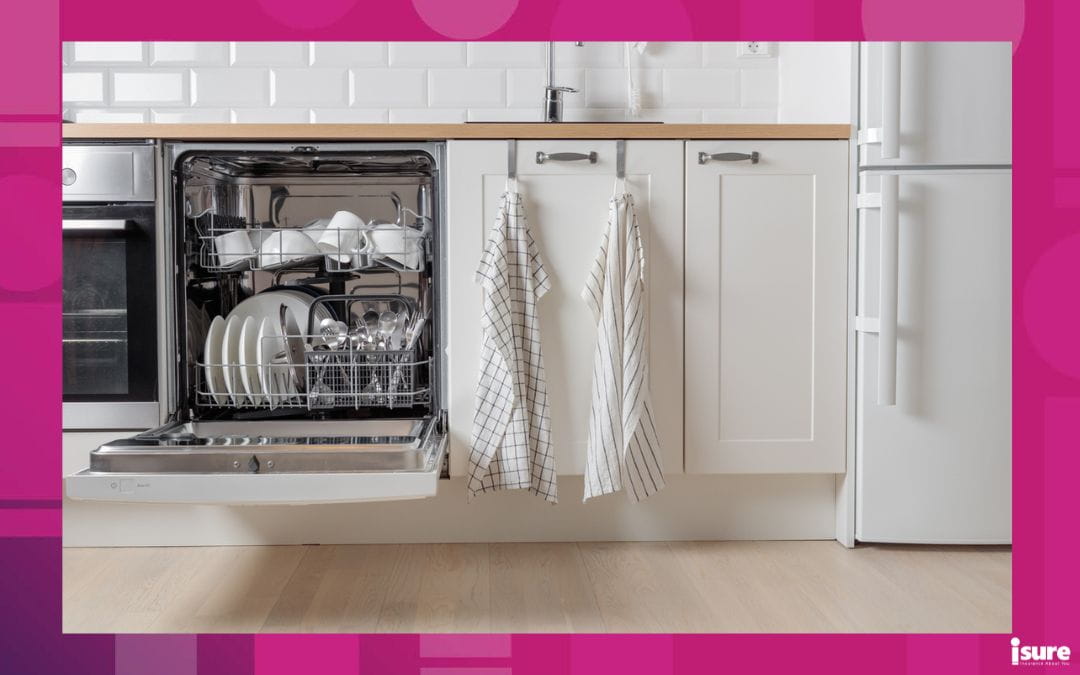
Home appliances are essential to everyday life. From refrigerators and washing machines to ovens and microwaves, many of these are core parts of our everyday routine. With this, you may be curious whether your insurance covers them.
In most cases, home appliances are covered by homeowners’ insurance in Ontario if damaged by a covered peril, such as fire, theft, or vandalism. However, standard home insurance does not cover normal wear and tear, mechanical breakdowns, or manufacturer’s defects. Optional equipment breakdown coverage may help protect against unexpected internal failures.
The Importance Of Protecting Your Home Appliances
Whether it’s your fridge breaking down and spoiling your food or your washing machine leaking water all over the place, a broken appliance can be quite the headache. To add to this, replacing either of these can be a hefty expense. In many cases, replacing an appliance can cost anywhere between $1,000 to $4,000. Nowadays, appliances are increasingly complex, with smart features, and as a result, they are more susceptible to breakdowns.
Safeguard Your Home
Get a free home insurance quote today and protect what matters most.


Are My Appliances Covered Under My Standard Home Insurance Policy?
Yes, in most cases, your standard home insurance policy will offer you substantial protection for your appliances. With this in mind, it may sometimes depend on the type of appliance and the specifics of your policy documents. Let’s take a closer look:
Contents Insurance Coverage
In most cases, plug-in appliances and other appliances will generally fall under your contents insurance policy, sometimes known as personal property coverage. Some examples of appliances covered include:
- Refrigerators
- Washing Machines
- Dryers
- Freezers
- Toasters
- Microwaves
- Coffee Makers
- Air Purifiers
- Air Conditioning Systems
- Other small kitchen devices.
Contents insurance only covers these appliances when an insured peril listed in your policy damages them. For example, theft and vandalism would be covered by insurance. If your appliances break due to age, misuse or internal issues, they’ll likely be covered.
Dwelling Home Insurance Coverage
When going through the list of appliances covered by contents insurance coverage, you may notice that built-in appliances, such as heat and ovens, are missing. This is because the built-in devices are considered part of your home’s structure. Due to this, they are protected under the dwelling portion of your home insurance policy. Some examples of built-in appliances include:
- Heating systems
- Central Air Conditioning systems
- Hot water tanks and heaters
- Built-in ovens and cooktops
- Built-in dishwashers
- Central vacuum systems
Since these are part of the dwelling portion of your policy, these would be protected from perils such as fire, falling objects or accidental burst pipes.
Bundle All of Your Policies for Maximum Savings!
Speak with an isure broker to find out how.
What If My Appliance Is In Another Structure?
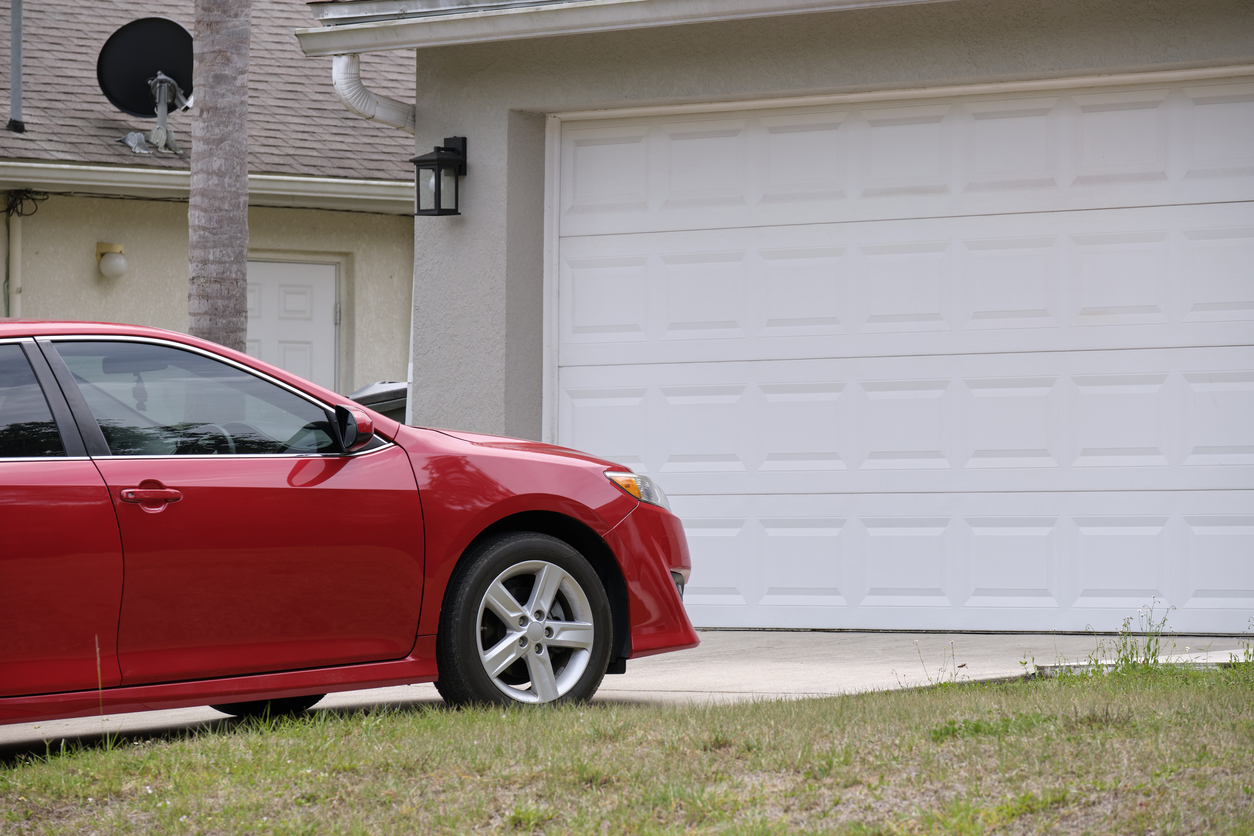
In many cases, people may have appliances stored in other structures on their property, such as a detached garage or shed. Your policy’s other structures coverage will likely protect appliances, such as an extra freezer or refrigerator, if a covered loss damages them.
Equipment Breakdown Coverage
As mentioned above, your homeowners’ insurance policy will likely protect your appliances from certain events. However, what happens when they suffer internal failures? This is where equipment breakdown coverage comes into play. You can add this optional policy to your home insurance. This policy will cover the following situations:
- Power outages
- Power surges
- Mechanical failures
- Electrical shortages
- Circuit Board failures
For example, let’s say that your smart fridge decides to stop working during a hot summer day. In most cases, your standard home insurance will not cover you. However, when you have equipment breakdown coverage, you’ll be able to file a claim with your insurance provider to receive compensation.
When doesn’t Insurance cover My Home Appliances?
It is important to keep in mind that there are a few insurance policies where equipment breakdown insurance will not have your back. Some examples include:
- Every day wear and tear: Basic home insurance policies do not cover normal wear.
- Damage caused by defects: Insurance rarely covers defective appliances; instead, you should use your warranty.
- Damage from pests: Insurance usually does not cover damage caused by pests such as rats, bugs, or mice.
- Damage from neglect: Neglecting standard maintenance for your appliance or ignoring problems will void your homeowners’ insurance policy.
- Damage from mould: Damage due to mould is unlikely to be covered.
- Vacant Property: Standard home insurance may not cover appliances in vacant homes after a certain period.
- Damage from renovations: Insurance does not cover appliance damage that occurs during renovations.
In most cases, home insurance does not cover appliances damaged by sewer backup, heavy rainfall, or flooding.
Review your current policy and speak with an insurance broker to confirm your coverage.
Situation | Are You Covered? |
Fire damages refrigerator | Yes |
Your microwave get's stolen | Yes |
A burst pipe damages your washing machine | Yes |
A fridge stops cooling because of an internal issue | No (Unless you have Equipment Breakdown Coverage) |
Your appliance wears out after 12 years. | No |
Your dryer suffers from damage due to pests | No |
Your Washing machine has a manufacturer defect | No |
Three Steps to Protect Your Home’s Appliances
Fortunately, you can protect your home by following a few simple steps. Let’s have a look at the recommended steps when it comes to protecting your home’s appliances:
- Schedule Annual Maintenance: Make sure you hire professional technicians, plumbers and electricians to perform annual maintenance on all of the appliances throughout your home. This way, you can spot problems before they arise.
- Review Your Home Insurance: Read your current homeowners’ insurance policy. Note what your personal property coverage includes and what your dwelling policy covers. Make sure you pay attention to insured perils and search for any gaps in your protection.
- Consider Add-On Insurance Policies: Speak to your insurance broker about add-ons to protect your home’s appliances. These can include equipment breakdown insurance, sewer backup insurance or overland flooding insurance.
Frequently Asked Questions
Does home insurance cover a broken refrigerator?
Yes. A standard home insurance policy covers your refrigerator when an insured peril, such as fire or theft, damages it. If your refrigerator stops working due to age or a mechanical failure, insurance generally does not cover the cost.
Does home insurance cover my washing machine?
Yes. Like a fridge, your washing machine is covered by insurance when a covered event damages it. If it stops working due to wear and tear, insurance will generally not cover the cost.
Does equipment breakdown insurance cover appliances?
Yes, equipment breakdown insurance covers major appliances regardless of age, provided they were in good working order before the sudden mechanical or electrical failure occurred. It does not, however, cover appliances that stop working due to gradual wear and tear or poor maintenance.
Are built-in appliances covered by my contents insurance?
No. Your dwelling coverage generally protects permanently installed appliances, such as furnaces and central air conditioners. Portable appliances, however, would fall under contents coverage.
Home Appliances and Insurance: Understanding Your Insurance
Understanding how insurance applies to your home’s appliances can help you avoid any unexpected expenses. While homeowners’ insurance will often cover you for insured events, it is important to review your policy and identify any gaps in your coverage. Add the right insurance coverage to protect your home from unexpected, costly repairs.
Remember, if you are in the market for new insurance or have any questions about your coverage, don’t hesitate to reach out to us at isure.

Thinking of building a Secondary Dwelling Unit (SDU) on your Read more

Here are some do’s and don’ts when making the big Read more
Vacant home insurance is required to cover any losses that Read more