
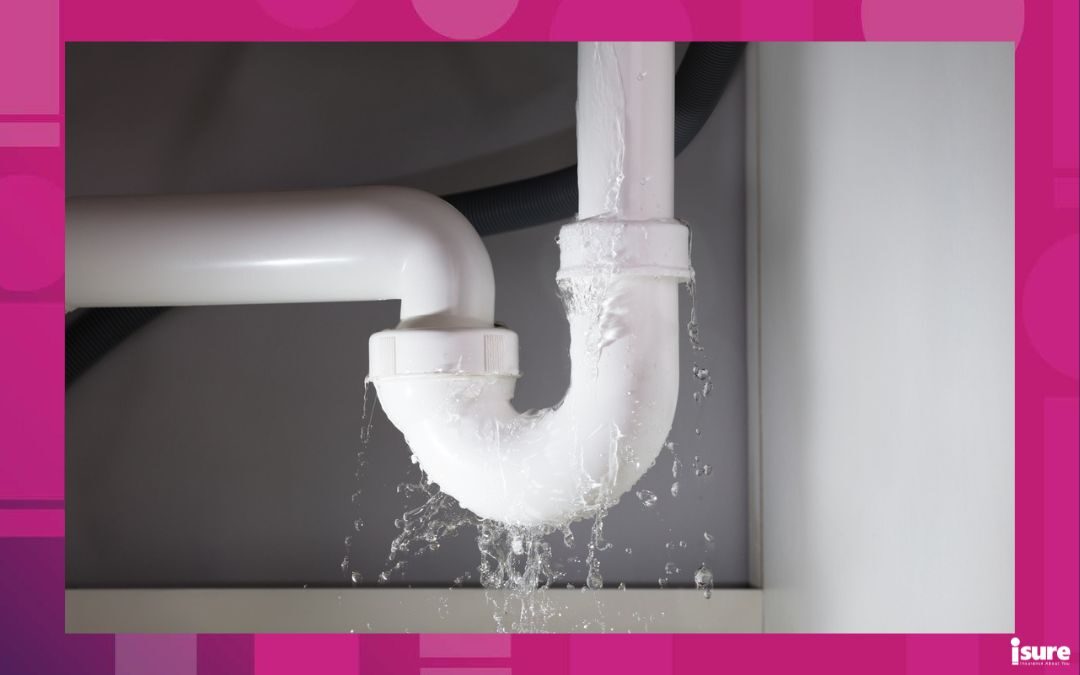
We never want to think of the scary “what ifs” that can happen in your home, but since emergencies do happen, it’s best to prepare for any scenario. With the colder season comes frozen pipes. A burst pipe can be stressful, messy, and costly — but acting quickly and safely can significantly reduce damage to your home and belongings. Whether caused by freezing temperatures, aging plumbing, or sudden pressure changes, knowing what to do right away makes all the difference. But have no fear – isure has your back! We’ve got eight steps to follow if a pipe bursts in your home.
Why Do Pipes Burst in Your Home?
Freezing is the most common cause for burst pipes, but it’s not the only cause. The following issues can all lead to burst pipes if left unaddressed for too long.
Corrosion and pH imbalance
If your water’s pH level isn’t balanced, it can make the pipes rust or corrode, which can eventually lead to leaks or bursts. This issue is more likely in homes with well water, which often has higher iron concentrations.
Clogs and pressure
Clogged pipes are at a higher risk of bursting. Clogs near the drain aren’t usually a major issue, but if they form deeper in the pipes, the pressure can build up around them. Eventually, if there’s nowhere else for the water to go, the pipe will leak or burst.
Freezing temperatures
When water freezes, it expands. Sometimes, the force of this expansion is enough to rupture the pipes. Sudden temperature increases — like turning on the hot water — can make the problem worse, causing the ice and the surrounding pipe to shatter.
Those chances increase if the temperatures are below zero or there’s a sudden drop in the last 24 hours. Complete your inspection or call a professional if unsure.
Pipe Bursts: Recognize the Signs Quickly
Before anything else, homeowners should know common early warning signs, such as:
- Sudden water stains, bulges in drywall
- Unexplained increase in water bill
- Strange sounds from walls or ceilings
- Reduced water pressure
These often indicate a leak or an impending burst before catastrophic failure.
1. Shut Off the Main Water Supply Immediately
The first step is to stop the water flow. Locate your home’s main water shut-off valve (often found in the basement, crawl space, or where the water line enters the home) and turn it off completely. This is a crucial first step in this process. Why? Cutting the problem off at the source prevents further damage. This includes draining all faucets of hot and cold water. Before any emergency, you should be prepared by knowing where your main shutoff valve is.
Tip: Every homeowner should know where this valve is before an emergency happens.
2. Relieve Pressure in the Plumbing System
Once the main water supply is off:
- Open all faucets (hot and cold)
- Flush toilets
This helps drain any remaining water from the pipes and reduces pressure, helping prevent additional leaks or damage.
3. Turn off electricity (if possible)
Anyone who sat through grade school science class knows that water and electricity can create a very dangerous (and potentially fatal) situation. If water has reached outlets, appliances, or your electrical panel, electricity becomes a serious safety hazard.
- Turn off power to the affected area at the circuit breaker only if it is safe to do so
- Never stand in water while accessing electrical panels
- If you are unsure, leave the area and contact a professional
Your safety always comes first.
4. Call your isure broker/insurance company immediately
Once the immediate emergency is under control, please notify your insurance broker or provider. Many people may hesitate to call their broker or insurance company immediately after an accident or emergency. However, it’s important to call your insurer early for multiple reasons. First, it’s essential to confirm your coverage and initiate the claim process. Insurers require that you take steps to mitigate (or reduce the impact) of a loss, so shutting off water and getting your insurer involved immediately is essential. If not, you may not get full coverage or may have a claim denied. In addition, they can advise you on the next steps and, if applicable, approved contractors.
Depending on the amount of damage, your insurer may send a special team of claims specialists to start an emergency cleanup.
Tip: Keep notes of conversations and any claim reference numbers provided.
5. Call a Licensed Plumber
A burst pipe is a plumbing emergency. After shutting off the water and addressing immediate safety concerns, please contact a licensed plumber as soon as possible to repair the pipe and assess any additional risks. Temporary DIY fixes may slow leaking, but are not a permanent solution and can fail once water pressure returns.
6. Document All Damage From Broken Pipes
To start your insurance claim, you’ll need to document everything that has been damaged and to what extent. Ensure that you take photo and/or video content to document anything that’s damaged before throwing it away, such as:
- The burst pipe
- Affected rooms and areas
- Damaged furniture, flooring, and personal belongings
This documentation is extremely helpful when filing an insurance claim and ensures nothing is overlooked. If you’re unsure whether to toss anything or what is required for a claim, contact your isure broker for more details about your water damage coverage.
7. Remove wet, damaged items and excess water
Please note, before removing any item(s), make sure to take photographs and document whatever items are being removed (see Step #6). If possible, store the items somewhere so your insurer can examine the damage before disposal. It is always best to discuss removal or disposal with your insurer first.
Depending on the location of the burst pipe and the amount of residual water, you can begin removing water safely until a professional arrives. We suggest using a bucket and mop, a wet vacuum (if available), a broom to sweep water toward drains, and towels to soak up excess puddles.
7. Start the drying process
If safe to do so, it is a smart idea to begin the drying process of what’s salvageable when a pipe bursts in your home. Remember, this process may take some time, so be patient. You can:
- Mop up standing water or use a wet/dry vacuum
- Remove soaked rugs, furniture, and items from affected areas
- Use fans and dehumidifiers to promote airflow and drying
Tip: Quick action helps reduce the risk of mould growth, which can begin within 24–48 hours.
The restoration company hired by your insurer will usually take care of this step, which consists of using fans and/or dehumidifiers to dry up the water that’s left. This typically prevents further humidity from forming, allowing the affected areas to dry quickly and efficiently. You and your home insurer will want to ensure that all moisture is removed before beginning any repairs.
8. Save Receipts and Records
Keep all receipts related to:
- Emergency repairs
- Cleanup supplies
- Equipment rentals (fans, dehumidifiers)
- Temporary accommodations, if required
These expenses may be reimbursable depending on your insurance coverage.
Preventing Burst Pipes in the Future
While not all burst pipes can be avoided, these steps can reduce risk:
- Insulate exposed pipes in garages, basements, and crawl spaces
- Disconnect outdoor hoses before winter
- Allow faucets to drip slightly during extreme cold
- Keep your home heated consistently during the winter months
A little prevention can go a long way.
Pipe Bursts: Final Thoughts
A burst pipe can happen without warning, but knowing how to respond calmly and safely can limit damage and speed up recovery. Acting quickly — shutting off water, prioritizing safety, calling a professional, and documenting damage — puts you in the best position to protect your home and your finances. Prepare your home for the worst (before it happens) by purchasing the correct type of insurance coverage for your needs. Give us a call; we’re always happy to discuss your policy needs and concerns!
Safeguard Your Home
Get a free home insurance quote today and protect what matters most.


According to Public Safety Canada, floods are the most common natural Read more

Water damage is now the most common and costly home Read more

Water damage is a common problem that many homeowners deal Read more