

If your home insurance claim was declined, you’re probably wondering why your insurer refused coverage and what you can do next. While many home insurance claims are approved, there are situations where an insurer may deny or limit a claim. Understanding the most common reasons for claim denials can help you avoid costly mistakes and improve your chances of a successful claim.
10 Reasons Your Home Insurance Claim Was Declined
If your home insurance claim was declined, understanding the reason behind the decision is the first step toward determining your next move. While every claim is unique, insurers commonly deny claims for the following reasons.
1. Your Policy doesn’t cover the Damage
Standard home insurance typically covers damage caused by fire, lightning, and wind. However, there are plenty of exclusions to the policy. Perils like floods and earthquakes require separate insurance, while mould and water backup damage require you to pay extra premiums to add them to your policy. If the cause of damage is an exclusion on your policy’s list of covered events, then you can expect your insurer to decline your claim.
Before filing a claim, review your policy carefully to understand what is and isn’t covered.
2. Your Loss Exceeds Your Coverage Limits
One of the most common reasons your insurance company declines a home insurance claim is due to your policy coverage limits. This means you have a limit on how much you can claim, and your claim exceeds that limit.
To give you an example, let’s say you had $4,000 in coverage for tech items in your home. If $6,000 worth of tech is destroyed, that leaves a $2,000 shortfall. In these situations, the claim itself may not be denied, but your payout may be reduced because your coverage limits are insufficient to cover the full loss.
3. Negligence or Lack of Maintenance
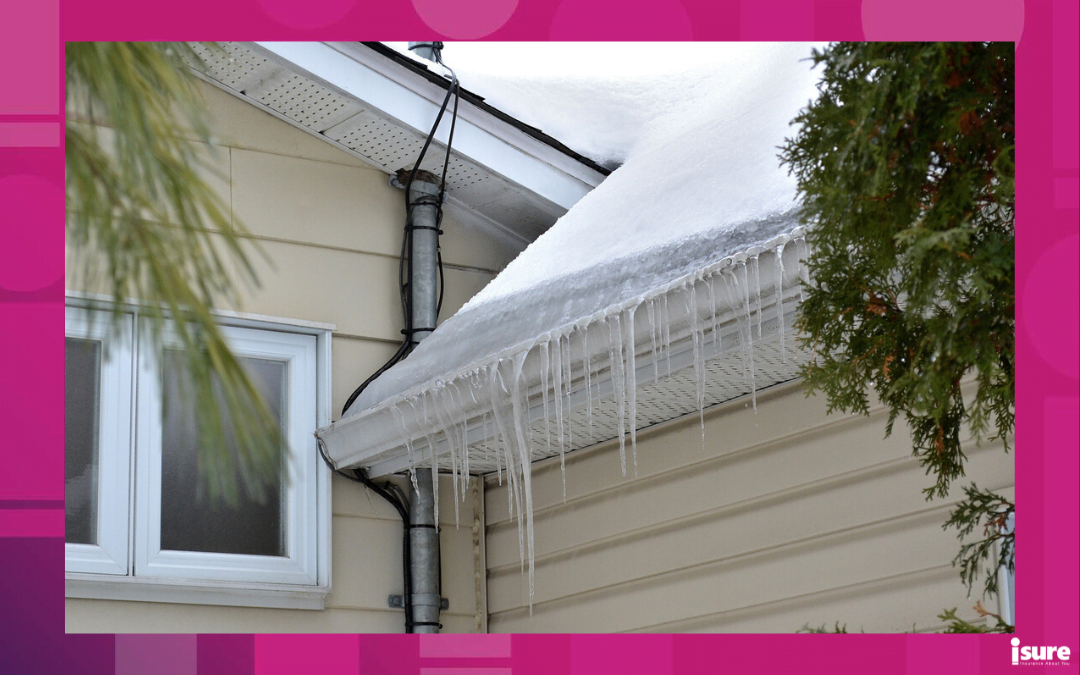
Almost all homeowners’ insurance policies stipulate that the property should have regular maintenance and be kept in good condition. Most policies require homeowners to take reasonable steps to maintain their property. If an insurer determines that a loss resulted from wear and tear, poor maintenance, or neglect, your claim could be denied.
For example, if a roof has been leaking for months and the issue was never repaired, resulting water damage may not be covered.
4. Providing False/Inaccurate Information
Another common reason a home insurance claim is declined is providing false or inaccurate information when purchasing insurance or filing a claim. During the claims process, insurers review policy applications, loss details, and any other supporting documentation.
However, if they discover that information was omitted or misrepresented in the claim, the claim may be denied. So, always ensure that your application and claim details are complete, comprehensive, and accurate.
5. Insufficient documentation of the damage
As a property owner, the onus is on you to prove the validity of your claim to your insurance company. Insurance adjusters will need as much information as possible to pay your claim. Make sure you document the damage or aftermath of the disaster in detail to help prove your case. If you fail to deliver enough proof (documents, photos, videos, etc.) to satisfy the adjusters, your insurance provider may reject your claim.
6. Your Policy Expired
One sure reason your home insurance claim was declined is letting your policy expire. If you’re not careful and renew a policy, you can put yourself in a terrible position. Should you accidentally let your policy expire, your claim will be declined when you attempt to submit it. Generally, this situation is entirely avoidable. Insurers inform you about the policy renewal in advance. It is important to keep a calendar record of all your renewal dates to avoid this situation.
7. Missing the Reporting Deadline
Each insurance company has their own set of time-sensitive requirements for filing and documenting home insurance claims. No matter how valid your claim is, denial is possible if you miss the filing window.
If your home sustains damage from a covered peril, notify your insurer and start the claims process. A claim denial due to not filing on time is an easily preventable issue.
Non-payment of premiums can cause your policy to lapse. That means missing payments on your home insurance or paying your premiums late can result in your insurance provider denying your claim. Keep up with your home insurance payments to avoid losing coverage when you need it the most.
9. Home-run business activities are not covered
One thing some people don’t realize is that home insurance doesn’t cover your home-based business. To have coverage, you will need a home business insurance policy. Failing to have proper business insurance is not a good idea. If someone gets hurt while conducting business with you, your home insurance claim will be declined. If you’re conducting business from home, you need to get proper business insurance.
10. You Fail to Prevent Further Damage
Finally, most home insurance policies require homeowners to take reasonable steps to prevent further damage after a loss. However, if precautions are not taken and the damage were to worsen or spread, your insurer may deny that portion of the claim. Taking swift action can help protect both the validity of your coverage and your property as a whole.
Safeguard Your Home
Get a free home insurance quote today and protect what matters most.


Tips for filing a home insurance claim
- Let your insurance company know right away: If you plan to file, contact your insurer as soon as possible after the incident to start the process.
- Have a home inventory list: A spreadsheet with details of your possessions and receipts to verify your expenses can be invaluable if you suffer a loss.
- Get a second opinion: Even if the insurer provides a contractor, you can still use independent contractors to get a second opinion and evaluate repair quotes.
- Keep accurate notes: Keep a record of all communications with your insurer. This will ensure there are no discrepancies.
- Get advice: Speak with your isure representative about what happened. We can provide you with advice and advocate on your behalf. Settlements are negotiable, so be well-informed before you sign.
Deciding whether or not to file a claim?
If you’re unsure whether to file a claim, ask yourself these questions:
How much is your deductible?
If the cost of repairs or replacement is less than, or only slightly higher than, your deductible, paying out of pocket may make more sense.
What caused the damage?
Home insurance typically covers sudden and accidental losses, not damage caused by wear and tear, poor maintenance, or negligence.
Was someone injured, or was another person’s property damaged?
If a third party is involved, you should notify your insurer as soon as possible.
Does your policy cover the loss?
Review your coverage, limits, exclusions, and endorsements before submitting a claim.
If you’re still unsure, speak with your broker or insurer. They can explain your coverage and help you understand your options before moving forward.
Protect Your Condo with Confidence
Contact us for a personalized insurance quote tailored to your unit and lifestyle.

What can I do if my home insurance claim is declined?
- Take a second look: Check your submission against your policy to make sure your insurer has grounds to deny it or to identify any errors.
- Look at the whole picture: Review the reasons why your insurer denied your claim. Reach out to one of isure representatives to go over the decision with you.
- Second opinion: Although your claim is declined, you have the right to appeal the decision. A second independent appraisal can be done.
- Contact the General Insurance Ombudsman Service: You can get free advice and learn more about your options for filing a complaint.
How Can You Avoid a Denied Home Insurance Claim?
Overall, the best way to avoid claim disputes is to maintain adequate coverage, report losses promptly, keep detailed records, and understand your policy limits before an emergency occurs.
Being informed and proactive can make all the difference when protecting your home and your finances. If you have any questions about your coverage, do not hesitate to reach out to one of our highly skilled licensed brokers today.

There are many things you should consider when it comes Read more
Different types of insurance policies can vary in the number Read more

Many Canadians research home insurance looking for rates that are Read more