
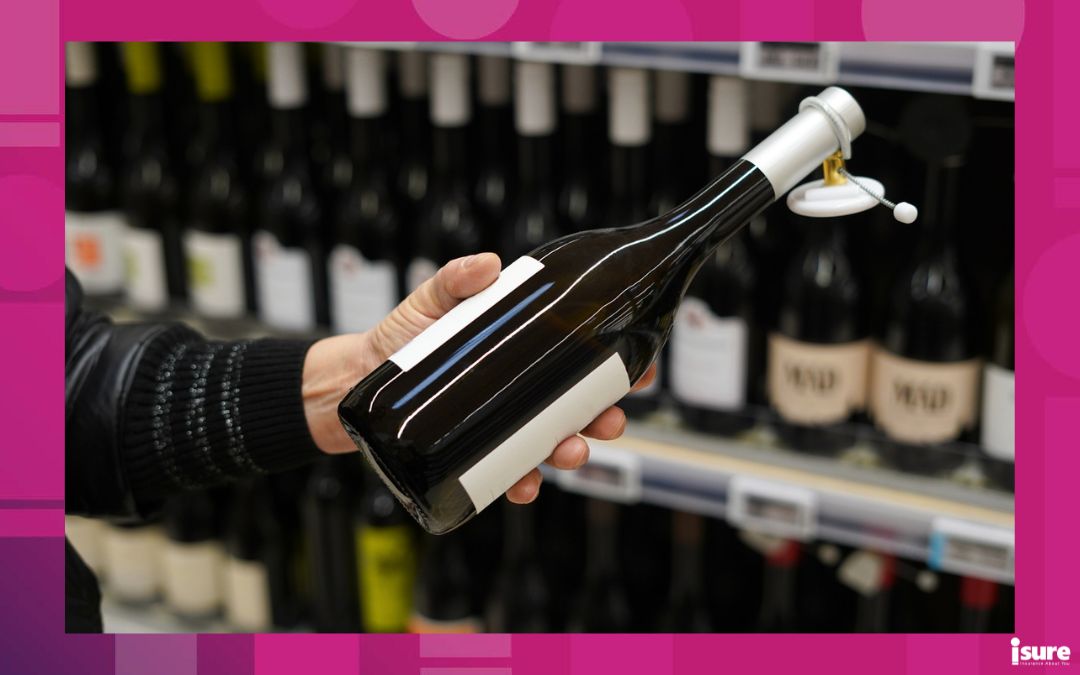
As of September 5th, Ontario passed the law to allow alcohol in convenience stores. This includes selling beer, wine and read-to-drink cocktails in corner stores and gas station. This marks a massive change from provincially-regulated liquor stores being the only place to do so just a few years ago. Across the province, business owners are praising the move. To them, this can be a massive change that saves businesses. However many business owners also have concerns – the added risk that comes with running a business. So, how does this shift the insurance needs for businesses in Ontario? isure has everything you need to know!
Alcohol in convenience stores praised by business owners
Across the province, many convenience store owners are praising the change. The owner of Midway Convenience in Windsor, Ont, Terry Yaldo believes this is a “saving grace” for many small business owners.
“It’s going to save a lot of stores from potential closure. This will give us the boost of foot traffic we need to survive,” Yaldo told Global News. Yaldo also serves as a chair of the Ontario Convenience Stores Association. The association is projecting anywhere from a 3- to 40 percent increase in overall sales and foot traffic. Yaldo believes this can be a saving grace for a lot of small businesses.
The move to let convenience stores sell alcoholic beverages was first supercharged earlier this year. As of late August, more than 4,100 convenience stores across Ontario had signed up to sell alcohol. Until recently, Ontario only let its citizens purchase alcohol at the LCBO, Beer Store, Wine Rack and select grocery stores.
Not everyone is on board with alcohol sales in convenience stores
The move to allow convenience stores to sell alcohol has sparked a lot of debates. With this, it has also sparked a lot of opposing parties. Many have questioned why so much money was spent on this policy in the first place.
The Ontario Public Service Employees Union (OPSEU), which represents LCBO workers, stated that it has fears about the upcoming change. They believe wider access to alcohol could mean fewer ID checks at convenience stores. This could be due to the staff being more busier than the classic provincial liquor store employees.
JP Hornick, president of OPSEU, believes the expansion of alcohol can also increase exposure for children.
“If they wanted to protect people, they should think about how they’re protecting kids who are going to have increased access to alcohol in convenience stores,” Hornick told Global News in August.
As of now, the government has banned cannabis stores within 150 metres of schools. As of now, no such rule has been put in place for convenience stores selling alcohol. Anne Leonard, president of Arrive Alive, cautioned that increasing the number of private alcohol retailers can also put store owners in a tough spot.
“We like to have beer, wine and spirits being sold in government stores because there is no incentive to sell to minors,” she said in August.
Alcohol in convenience stores: An added insurance risk?
With alcohol in convenience stores, those selling beer, wine or coolers can expect a change in their business’s risk calculus. Business owners can see an increase in their general liability rates due to a separate rating on alcohol sales from general store sales. The more people who come into a store, the more risks that come. Added foot traffic and more expensive merchandise, such as alcohol, can lead to increased theft. On top of this, the possibility of more robberies. Due to a higher theft exposure, business owners can also expect to see a slight increase in their property coverage rates.
Those selling alcohol can expect changes to their insurance coverage requirements as well as premium increases. For example, $5 million in commercial general liability, which is standard for retail businesses in Ontario, should be in place. This is due to alcohol sales increasing profits.
Alcohol business insurance in Ontario
This update marks a massive change in how store owners will go about insuring their businesses. Retailers who choose to enter the alcohol market must ensure they have a commercial package policy. This mitigates liabilities and safeguards their operations. Stores that sell alcohol face greater risks and should be treated as such. If you’re a business owner looking to sell alcohol at your business or simply need new insurance for your small business, contact us at isure or request a quote today!

While a liquor licence can be very profitable for restaurants, there Read more

When running a business, the opportunity to partake in an Read more

Small business insurance policies help business owners and self-employed professionals Read more