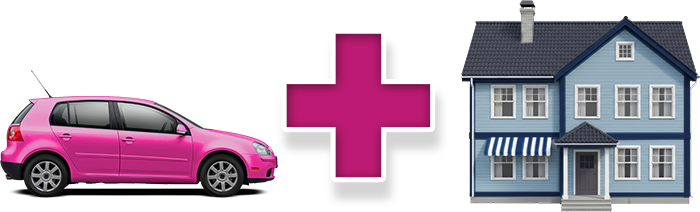
Canadians love their cars. Many of us use our personal cars to commute to work, but some also drive around town as part of their day-to-day job duties. When it comes to using your car for business reasons, it’s a good idea to make sure you have the right type of car insurance. Can a private car be used for business purposes? This article will clarify the difference between personal and business car insurance when it comes to your policy coverage.
Personal Use Car Insurance
A personal auto policy is insurance on your personal vehicle. It may include liability, medical payment coverage, comprehensive, or collision coverage, depending on your policy. This auto policy is insurance for your personal-use vehicle.
What Do Standard Auto Insurance Policies Typically Include?
- Third-Party Liability: Provides compensation for drivers if they’re at-fault in an accident and the other party is hurt or killed. It also covers damages to the other person’s property and related repair costs.
- Accident Benefits: Includes coverage for injuries sustained in a collision. This includes medical care, rehabilitation and income replacement for drivers, passengers and pedestrians involved in the accident.
- Uninsured Automobile Coverage: Offers coverage for injuries and damages sustained through the fault of a driver who is uninsured or unable to be identified (in the case of hit-and-runs).
- Direct Compensation Property Damage (DCPD): In provinces with no-fault insurance, DCPD means you will deal with your own insurer for car repairs and other damaged property. If you’re not at fault for an accident in a province without DCPD, you will have to seek property damage compensation from the other party’s insurance company.
Personal or Business Car Insurance
For small businesses, the line between a personal vehicle and a commercial vehicle can be blurry. Sometimes, small business owners and employees use their personal vehicles for business purposes. For example, they might use their own car to travel to job sites, transport equipment, or deliver goods. Personal use of your vehicle refers to the typical driving most people do every day – like driving your children to school and commuting to work. Similarly, trips to the movie theatre, grocery store, and the gym would all fall under personal use.
Business use is whenever you use your vehicle as part of your job. Some common examples include real estate agents who need to travel to meet clients for showings. Or, a social worker who may need to visit several addresses in a day to meet with both individuals and agencies. If you use your vehicle for business purposes, you may need to add business use to your personal auto insurance policy. Alternatively, you may need to purchase a separate commercial automobile insurance policy. Why? Because if you get into an accident while ‘on the job’, you may not have sufficient coverage.
The main difference between personal and business car insurance is who owns the vehicle. If your business owns the vehicle, it must be covered by commercial auto insurance.
Business Use Not Included in Standard Personal-Use Auto Policies
According to Economical.com, your insurance company may also exclude certain business uses from personal car insurance policies. If you use your vehicle for any of the following types of services, you may need to update to business use coverage or purchase a commercial policy:
- Carrying passengers for hire: Including ride-sharing programs, like Uber or Lyft.
- Delivering food or products for a business: Making deliveries that are part of a business (e.g., delivering goods, like pizza, flowers, rental equipment or merchandise, or delivering any materials as part of services provided by a business).
- Emergency transportation: Like using your truck to tow others.
- Renting out your vehicle to others: Most personal insurers won’t allow you to rent out your personal vehicle for pay.
Lend (but don’t rent) your car out often? Have a look at our article about the ins and outs of who can drive your car under your insurance.
Considering ride-sharing as a possible side-hustle? It’s important to note that transporting paying passengers is not covered under your personal car insurance. Carrying passengers for money and making deliveries for services like Uber and Uber Eats are rarely covered under a standard auto policy. As you will be driving a lot more, there’s a much higher chance of getting into an accident and filing a claim. It’s always a good idea to speak with your isure representative to make sure you’re covered for ride-share services. You may need to purchase add-on coverage to ensure you’re adequately covered.
What is the Purpose of a Commercial Insurance Policy?
If you are using your personal vehicle for frequent business-related errands, you shouldn’t assume that your personal insurance policy will cover you in an emergency, like an accident. Commercial auto insurance covers cars, trucks, pickups, and vans when used for work purposes. It protects your vehicle and your business from threats. This is referred to as IRCA or Individually Rated Commercial Auto insurance.
Essentially, there are three main criteria to consider to help you determine if you need personal or business car insurance coverage:
- Use of the vehicle: If visiting clients daily is the core of your services, or if you make deliveries, you should have a commercial auto insurance policy.
- Type of vehicle you drive: Large commercial vehicles often cause more damage in an accident, and your coverage will likely reflect that.
- Vehicle owner: If you drive a vehicle that is owned by your business for business purposes, you should have commercial auto insurance coverage. Any employees who utilize the vehicle will also need to be covered under your policy.
There are a few services that need a commercial auto insurance policy, such as:
- Contractors and construction
- Maintenance people (if they are carrying tools)
- Personal emergency equipment (i.e. tow truck)
- Any delivery service (restaurant, take-out delivery)
- Providing driver education
- Sales visits and calls
- Employee use, even if you only use it occasionally
- Taxi-style hire services (i.e. Lyft or Uber)
Personal insurance will not cover you when driving for business use, and commercial insurance will not cover personal use driving.
When Would You Need a Company Vehicle?
Own a small business? You may want to consider using your personal vehicle for business instead of purchasing a company car. If you use your personal vehicle under a commercial auto insurance policy, you may be able to deduct certain expenses at tax time, such as:
- License and registration fees
- Gas costs
- Car insurance
- Interest on money borrowed to finance a vehicle
- Maintenance and repairs
- Leasing costs
- Parking fees
Motor Vehicle Expenses
According to the Canada Revenue Agency (CRA), you will need to see proof of business usage. If you regularly use your vehicle for business and personal trips, you can claim part of the total operating expenses for your vehicle as a business expense. You must keep accurate records showing the portion of the total kilometres you drive for your business.
Track your business-related vehicle activities in a book or spreadsheet to be able to explain your deductions. Your records should include:
- The dates the vehicle is used for business.
- The destination, along with a screenshot of the travel time and distance (a Google Maps screenshot may be helpful).
- Purpose of the trip.
- Exact mileage of the trip.
Keep all receipts for items such as fuel, supplies, and insurance to claim them as business expenses.
Types of Commercial Auto Insurance
- Business use: This is common for small or home-based businesses. If you’re using your car to drive to various locations and meet with clients, you can add “business use” to your personal insurance.
- Business use & multiple drivers: Allows adding multiple drivers when multiple employees use your vehicle, and the insurance is through the owner.
- Commercial auto use only: If you have vehicles that you use daily only for work purposes, or if you have equipment and other features (snowplow or tool rack).
Claims While Driving for Business
If you are using your personal vehicle for business purposes and a collision occurs, your claim will likely not be processed if you didn’t disclose the usage of your private car to your insurance company. This denial means you will have to handle the consequences on your own. There is also a possibility of policy cancellation altogether. To begin driving again, you will need another policy. However, if your business use covers your daily commute to work, you have coverage.
Personal or Business Car Insurance: Conclusion
When it comes to personal or business car insurance, remember this. The rule of thumb is that if any aspect of your job requires you to drive regularly, you’ll need commercial auto insurance. This does not include your daily commute, which is covered by your personal policy. At isure, we are here to help if anything happens to you. If you have any questions, please do not hesitate to contact us.
Protect Your Business
Request a free commercial insurance quote today and keep your business secure.


Understanding the best auto coverage for your business is important Read more

Commercial auto insurance adds another layer of protection for your Read more

Whether your valet damages a customer’s vehicle in the parking Read more