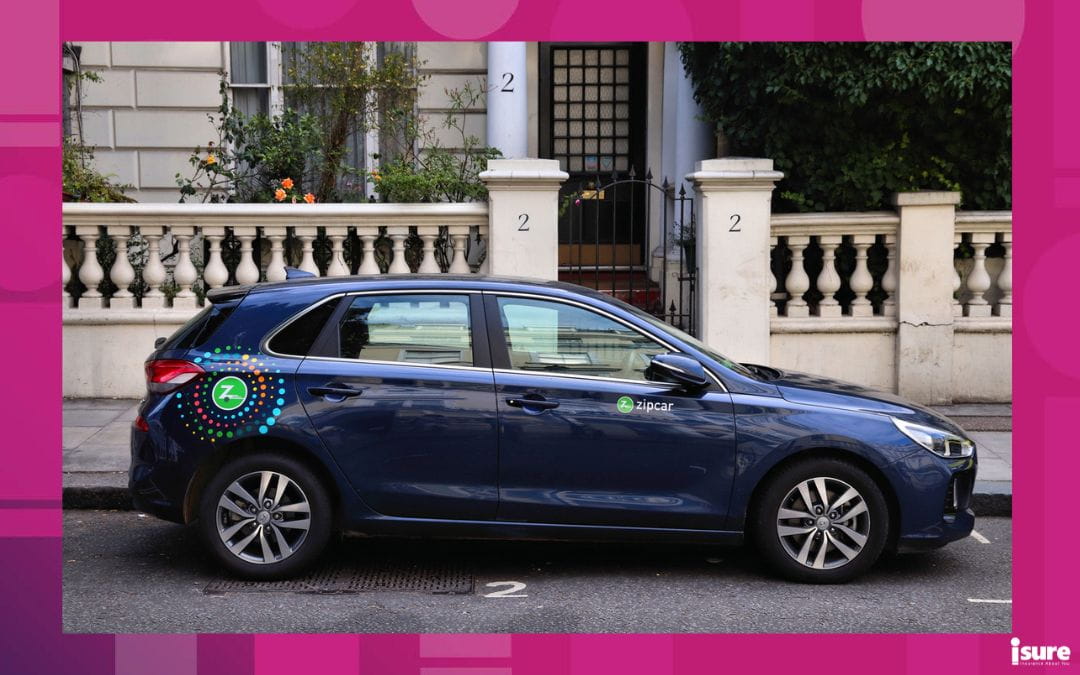
Car-sharing services in Ontario generally include basic insurance coverage, but the amount of protection varies by provider. Depending on the company, you may need to rely on your own auto insurance or purchase additional coverage, such as non-owner car insurance. Before booking a vehicle, always review the provider’s insurance policy, deductibles, and eligibility requirements.
These services in Canada have become a more popular method of commuting, especially in larger cities such as Toronto. With the cost of car ownership rising, from insurance premiums to fuel and parking, many Canadians are turning to car sharing as a flexible alternative.
What Is Car-Sharing In Ontario?
Car sharing in Ontario allows users to access vehicles on demand. However, unlike well-known applications such as Uber or Lyft, people drive their own cars rather than using a taxi-like service.
After signing up through an app, users can reserve a car, unlock it digitally or with a key, and return it to a designated location once their trip or use of the vehicle is complete. Some popular services in Ontario include:
Most of these services operate in urban areas, with self-serve vehicles parked throughout the city, though some offer delivery. Typically, companies will offer an array of vehicle types, with pricing based on the vehicle selected, time used and distance driven.
According to the Government of Canada’s Office of Consumer Affairs, these services have different insurance depending on the company. In some cases, providers will include insurance in their fees. In others, drivers must rely on personal insurance or opt into any additional protection. This amplifies the importance of reading the fine print before you sign up.
What Types Of Car-Sharing Are Available In Ontario?
Canadian consumers can access three types of car-sharing services, and the Government of Canada recognizes all of them. These include co-op, private and peer-to-peer.
Co-op car sharing: Businesses allow consumers to purchase shares in an organization. In return, they can provide input at general meetings. When you own shares, your upfront cost of joining will be higher. However, the fees for use can be lower compared to a private company, depending on how much you use the service.
Private car sharing: These companies offer car rental services but don’t provide options to purchase membership shares or participate in governance.
Peer-to-peer sharing: Peer-to-peer sharing models act as middlemen, bringing two parties together, screening their insurance, and managing payments and bookings. With this option, the car owner generally manages the insurance. The car owner typically holds special, more complex coverage that the platform and the owner share.
Drive with Confidence
Request your free car insurance quote now and get the coverage you deserve.


The Pros and Cons Of Car-Sharing Services
There are many benefits to using car-sharing services; however, there is also much to consider. Let’s take a look.
Pros of car-sharing services:
- Drivers no longer have to worry about car maintenance, ongoing insurance costs, or concerns when it comes to fuel or parking.
- Encourages you to also rely on environmentally sustainable methods of transportation, including walking, biking, or public transit.
- Consumers can assist in reducing pollution caused by daily vehicle usage.
Cons of car-sharing services:
- Vehicles must be pre-booked via an app, which may require precise personal time management.
- During major holidays, vehicles may face high reservation volumes. This may also be the case during weekends or weather storms!
- As of now, around-the-clock services are only available in major cities such as Toronto.
What Makes Car-Sharing Different From Renting?
You may be curious as to what makes this different from simply renting a car. Generally, car sharing is for shorter-term trips taken more often.
If you only need a car occasionally, renting may be better than paying a monthly car-sharing membership fee. If you’re driving the car outside your city or expect to use it for more than 24 hours, you should again consider a rental.
On the other hand, a service is a great option for using the car for a few hours to shop or visit a friend.
Car Sharing | Renting A Car |
Hourly Rental - Designed for short use and short-term convenience. | Daily rental designed for longer distances or multi-day trips |
Cost of gas is typically included in any fees | Customer is responsible for the cost of gas |
Rates are typically by the hour | Usually pay flat rate for a 24 hour rental plus minimum number of included kilometers. |
No paperwork, account is generally managed online or through an app | Longer rental process, customers have to visit and office and fill out paperwork |
Available 24/7 | Unlimited kilometres for daily or longer rentals offered by some companies |
Typically, fees are for each hour used, and for another kilometre travelled | Can only be picked up during office hours |
Monthly plans and memberships available | Personal and corporate memberships may be available for rewards, upgrades or other benefits. |
Car-Sharing and Insurance: Understanding Your Risks
Most car-sharing services include basic insurance within their memberships. That said, coverage often includes some limitations or conditions that can leave drivers responsible for uncovered expenses. Drivers should understand what the coverage includes and excludes before getting behind the wheel.
What Is Included?
When you sign up for a service, Basic Liability insurance is included in your membership. Depending on the company, this insurance may require the driver to meet certain conditions to be fully covered. It is important to review the policy and ensure you are familiar with all the terms.
Although the company must provide a minimum level of insurance, you may want to consider additional options, such as Non-Owner Insurance, to feel more comfortable behind the wheel.
As of July 1, 2026, Ontario auto insurance regulations have changed significantly. Many standard accident benefits—such as income replacement, caregiver, and non-earner benefits are now optional rather than mandatory.
Car-Sharing Frequently Asked Questions
Does car sharing include insurance?
Yes. Most car-sharing companies include baseline third-party liability insurance with each booking. However, coverage limits vary by provider, and standard memberships often carry high deductibles ($1,000 to $2,000+) for physical damage unless you pay an extra fee to lower them.
Do I need my own insurance for car-sharing?
No, you do not legally need your own auto insurance policy to use a car-share service. However, if you use these services frequently, purchasing a personal non-owner car insurance policy protects you against platform deductible fees and covers critical medical gaps left by the platform’s commercial policy.
What is non-owner car insurance?
Non-owner car insurance provides liability coverage for people who don’t own a vehicle but occasionally drive a borrowed or rented car.
What is the difference between car-sharing and renting a car?
Car-sharing services typically serve short-term trips, while people generally choose rental cars for longer journeys. Users usually book car-sharing vehicles by the hour through a mobile app or website.
Confirm Your Protection Before You Drive
Car-sharing services are a convenient and cost-effective way to commute in your city. However, it is important to understand how insurance works before you get behind the wheel. While many providers include basic insurance coverage, requirements may vary from one company to another.
Remember to review your provider’s insurance policy before you drive, and if you are in the market for non-owner’s insurance, don’t hesitate to reach out to us at isure!

Car rentals are sometimes a necessary expense that arises. What Read more

If you regularly share your vehicle with a partner or Read more

As Canada’s most populous province, Ontario naturally has some of Read more